

Are you wondering when to plant lettuce for the best results? You’re not alone! Many gardeners face the challenge of timing their planting to ensure a bountiful harvest. Whether you’re a seasoned pro or just starting out, knowing the right time to sow your seeds can make all the difference.
Key Takeaways
- Optimal Planting Times: Sow lettuce seeds in early spring (4-6 weeks before the last frost) or late summer (8-10 weeks before the first frost) for the best results.
- Ideal Temperature Conditions: Lettuce thrives in cooler temperatures, ideally between 60°F and 70°F; avoid planting when temperatures exceed 75°F to prevent bolting.
- Variety Selection: Choose specific lettuce varieties for different seasons: Romaine and Butterhead for spring, and quick-growing Leaf Lettuce for fall.
- Use Protection: Employ row covers or cold frames to shield young lettuce plants from frost during fall plantings for extended growing seasons.
- Monitor Local Climate: Consider local frost dates and soil temperatures to create an effective planting schedule, allowing for a bountiful harvest.
- Document Growth: Keep a gardening journal to track observations and improve future planting strategies based on local environmental conditions.
Understanding Lettuce Growth Cycles
Lettuce thrives in specific growth cycles defined by temperature and season. Typically, sow seeds in early spring or late summer. This timing allows you to take advantage of cooler temperatures, which prevent bolting—a process that causes lettuce to go to seed prematurely.
Spring Planting
- Start Indoors: Begin sowing seeds indoors 4-6 weeks before the last frost date. This prep encourages rapid growth.
- Transplant Outdoors: Move seedlings outside around 1-2 weeks before the last frost date when soil temperatures reach about 50°F (10°C).
- Harvest Timeline: Expect to harvest mature lettuce in about 30-70 days, depending on the variety. Leaf lettuce matures faster than head types.
Fall Planting
- Direct Seed: Sow seeds directly into the garden in late summer about 8-10 weeks before the first expected frost. This timing allows the plants to grow before winter.
- Provide Protection: Use row covers or cold frames to protect young plants from frost. This helps extend the growing season.
- Maturation Period: Like spring planting, lettuce can be ready to harvest in roughly 30-70 days.
Types of Lettuce
Understanding different lettuce varieties impacts your planting schedule:
- Romaine: Grows well during cool months; ideal for spring and fall planting.
- Butterhead: Prefers cooler temperatures; sow in early spring or late summer.
- Leaf Lettuce: Quick to mature, making it suitable for successive plantings throughout spring and fall.
Observing local climate conditions also plays a crucial role in successful lettuce cultivation. Factors like temperature and rainfall can vary, so adjusting your planting schedule accordingly ensures optimal results. Keep a gardening journal to track your observations and improve future planting.
Climate Considerations
Timing your lettuce planting hinges on understanding the climate in your area. Lettuce grows best in specific conditions, so you must take note of your local weather patterns.
Recommended Products

4 Popular Heirloom Lettuce Varieties: Includes Red Romaine, Bibb Butterhead, Black Seeded Simpson, and Green Ice lettuce seeds to grow crisp, tender, and colorful salad greens with balanced flavor, texture, and visual appeal.

"Mesclun" comes from the Provençal French word meaning "mixture" — this style of mixed salad greens originated in the Nice region of France and became a staple of fine restaurants worldwide before becoming a home garden favorite.

Black Seeded Simpson is a classic heirloom loose leaf lettuce with large, tender green leaves and a mild, sweet flavor. Harvest fresh leaves for salads, sandwiches, wraps, and other homegrown meals.
Growing Regions
Growing regions across the United States vary significantly in climate. For instance, you can plant lettuce in USDA hardiness zones 2-9. In northern regions, early spring planting is ideal. For southern areas, you can also plant in late summer for a fall harvest. Consider the local climate when choosing the best time to plant. Check your zone and plan accordingly.
Temperature Requirements
Lettuce thrives in cooler temperatures, ideally between 60°F and 70°F. If temperatures rise above 75°F, plants face stress, which can lead to bolting. Start seeds Indoors 4-6 weeks before the last frost. When transplanting, ensure soil temperatures reach about 50°F. For fall planting, sow seeds in late summer to avoid high summer temperatures. Monitor local forecasts, as unexpected heat can affect your lettuce crop.
Best Seasons for Planting Lettuce
Lettuce thrives in cooler temperatures, making season selection crucial for a successful crop. Timing your planting can significantly influence yield.
Recommended Products

Beautiful - Large, premium packet of a blend of heirloom Lettuce seeds (Latuca sativa). This surprising mix of pretty and colorful lettuces will be a welcome addition to your garden in early spring and fall. Minimum of 600 mg per packet (about 650 seeds).

YEAR-ROUND GARDEN FAVORITE – Dependable butterhead lettuce that thrives in cool or moderate weather for consistent harvests from spring through fall, even under cover in winter
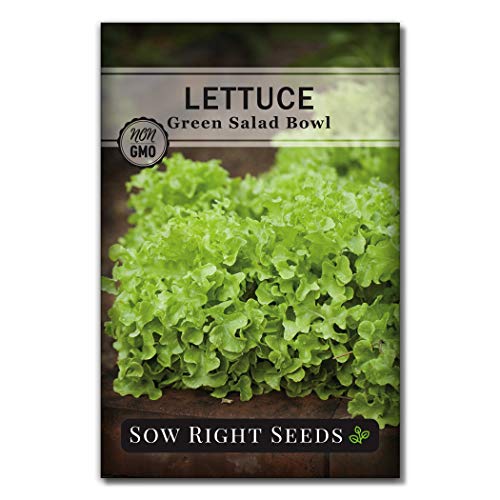
Beautiful - Large premium packet of Green Salad Bowl Lettuce (Lactuca sativa) seeds. Crisp and delicious, this frilly, green leaf lettuce can be grown outdoors or indoors in a hydroponics system. This cool-weather crop is also a more heat-tolerant variety that doesn’t get bitter and resists bolting. Minimum of 600mg per packet (about 430 seeds).
Spring Planting
Spring is an ideal season for planting lettuce. Start seeds indoors 4-6 weeks before the last frost date. This approach gives seedlings a head start. When soil temperatures reach about 50°F, transplant the young plants outdoors. Monitor your local frost dates to time your planting accurately.
Lettuce varieties like Romaine and Butterhead respond well to early spring conditions. Expect to harvest within 30-70 days, depending on the type. Regularly watering and providing partial shade can enhance growth during warmer days.
Fall Planting
Fall planting extends the lettuce growing season. Start sowing seeds directly in late summer, typically 6-8 weeks before the first expected frost. This timing allows your plants to develop fully before colder weather sets in.
Choose quick-growing varieties for fall planting, such as Leaf Lettuce. Provide protection, such as row covers or cloches, to shield plants from frost. Even in cooler temperatures, maintaining moisture and consistent care promotes healthy growth. Monitor weather forecasts to anticipate sudden drops in temperature that could impact your harvest.
Determining Your Planting Schedule
Identifying the optimal planting schedule for lettuce involves understanding local frost dates and monitoring soil temperatures. These two factors play a crucial role in ensuring successful growth and harvest.
Recommended Products

PRECISE SOIL TEMPERATURE READINGS: Measures soil temperatures from 20 degrees F to 180 degrees F (0 degrees C to 80 degrees C) with a large, easy-to-read analog dial face - no batteries or digital screens needed for reliable results every time

Easy-to-read green, yellow, and red tick marks for easy monitoring
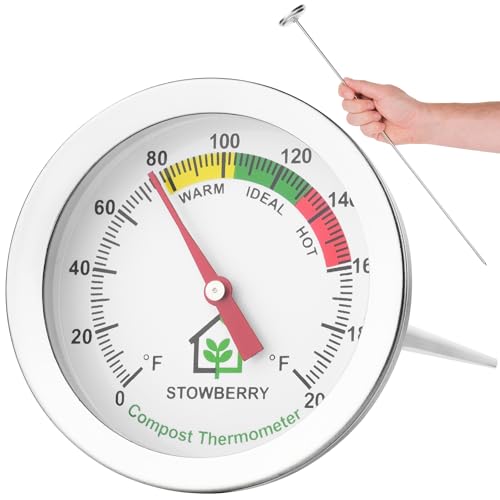
COMPOST THERMOMETER FOR ACCURATE TEMPERATURE MONITORING: Easily track compost temperature levels with this 20 Inch stainless steel probe that reaches deep into piles for precise core readings
Local Frost Dates
Frost dates vary by region and significantly impact your planting schedule. You can find your area’s average last frost date in spring and first frost date in fall through local agricultural extensions or online gardening resources.
- Start seeds indoors about 4-6 weeks before the last frost date. For example, if your last frost date is April 15, start your seeds indoors by mid-March.
- Transplant seedlings outdoors once the soil temperature reaches around 50°F. This is generally two weeks after the last frost date, giving your plants a good start.
- Monitor weather forecasts in late spring for unexpected frost signals to protect your seedlings if necessary.
Soil Temperature
Soil temperature influences seed germination and growth rates. Planting when the soil is too cold can lead to poor germination and stunted growth.
- Check soil temperature before planting. Use a soil thermometer to ensure it’s at least 50°F for direct sowing or transplanting seedlings.
- Opt for raised beds or black plastic to warm the soil faster if you’re in a cooler area. This technique helps you get started earlier in the season.
- Follow the right indications for type-specific lettuce. Loose-leaf varieties tend to germinate faster and may thrive in slightly cooler conditions compared to head lettuces.
By understanding your local frost dates and monitoring soil temperatures, you can create a successful planting schedule that maximizes your lettuce harvest.
Conclusion
Timing’s everything when it comes to planting lettuce. By knowing your local climate and frost dates you can set yourself up for a bountiful harvest. Whether you choose to plant in early spring or late summer it’s important to keep an eye on soil temperatures and weather conditions.
With a bit of planning and care you can enjoy fresh, crisp lettuce right from your garden. So get ready to dig in and enjoy the fruits of your labor. Happy gardening!
Frequently Asked Questions
When is the best time to plant lettuce?
The best time to plant lettuce is in early spring or late summer. For spring planting, start seeds indoors 4-6 weeks before the last frost. In late summer, sow seeds directly about 6-8 weeks before the first expected frost for a fall harvest.
How does temperature affect lettuce growth?
Lettuce grows best in cooler temperatures between 60°F and 70°F. Warmer temperatures can stress plants, causing them to bolt, which negatively impacts flavor and yield. Monitoring local weather conditions is essential.
What types of lettuce are best for spring planting?
Romaine and Butterhead varieties are ideal for spring planting. They thrive in early spring conditions and can be harvested in 30-70 days, depending on the specific type.
How should I care for lettuce in warmer weather?
During warmer weather, regularly water your lettuce and provide partial shade if necessary. This helps prevent stress and encourages healthy growth, especially on hotter days.
What should I do to protect lettuce from frost?
To protect lettuce from frost during fall planting, use row covers or cloches. These methods help insulate plants from cold temperatures while still allowing sunlight and moisture in.
How can I determine my local frost dates?
Local frost dates vary by region and can be found through agricultural extensions or online resources. Knowing these dates helps plan your planting schedule effectively.
What tools do I need to check soil temperature?
To check soil temperature, use a soil thermometer. This tool accurately measures the temperature of the soil, helping you decide the best time to transplant seedlings outdoors.
Why keep a gardening journal?
Keeping a gardening journal allows you to track local climate conditions, planting dates, and plant performance. This information can enhance your future gardening efforts by providing valuable insights.
