

Are you eager to grow fresh, crunchy lettuce in your garden? Timing is everything when it comes to planting this versatile leafy green. If you plant too early or too late, you might end up with disappointing results instead of a bountiful harvest.
Key Takeaways
- Lettuce Growth Cycles: Understand cool-season (60°F-70°F) and warm-season (up to 75°F) varieties for optimal planting timing.
- Spring and Fall Planting: Plant cool-season lettuce 2-4 weeks before the last frost and warm-season lettuce 6-8 weeks before the first frost.
- Continuous Planting: Implement staggered planting every two weeks for a steady supply of fresh lettuce throughout the season.
- Environmental Factors: Monitor temperature, sunlight, and soil quality to promote healthy growth and mitigate bolting or slow growth.
- Best Practices: Ensure well-drained soil, consistent watering (1 inch per week), and proper sunlight exposure for a successful harvest.
Understanding Lettuce Growth Cycles
Lettuce grows in specific cycles influenced by temperature and light. Understanding these cycles helps you choose the best planting time.
Cool-Season Lettuce
Cool-season varieties thrive in temperatures between 60°F and 70°F. These types, such as Butterhead and Romaine, usually prefer the spring and fall.
- Planting Time: Start planting 2 to 4 weeks before the last frost date in spring. This ensures your lettuce gets enough cool, favorable conditions.
- Harvest: Most cool-season lettuces are ready for harvest in about 30 to 60 days after germination.
Warm-Season Lettuce
Warm-season varieties like Summer Crisp and Looseleaf can tolerate slightly higher temperatures, up to 75°F. These types are ideal for late spring to early summer planting.
- Planting Time: Sow seeds a few weeks after the last frost date. This timing allows the soil to warm up adequately for germination.
- Harvest: Warm-season types typically take 50 to 70 days to reach maturity.
Continuous Planting Strategy
For a steady harvest, consider a staggered planting approach. This involves planting seeds every two weeks during the growing season.
- Benefits: Staggered planting provides a continuous supply of fresh lettuce.
- Timing: Adjust your planting schedule based on the specific variety and local climate conditions.
Factors Influencing Growth
Several factors affect lettuce growth cycles:
- Temperature: Extreme heat may cause lettuce to bolt (go to seed), while cold temperatures can slow growth.
- Sunlight: Most lettuce varieties require at least 6 hours of sunlight daily.
- Soil Quality: Loose, well-drained soil rich in organic matter enhances growth.
Understanding these factors ensures your lettuce thrives, leading to a more fruitful harvest.
Seasonal Considerations for Planting Lettuce
Timing plays a key role in planting lettuce for optimal harvest. Understanding the requirements of different lettuce varieties helps ensure a successful garden.
Recommended Products
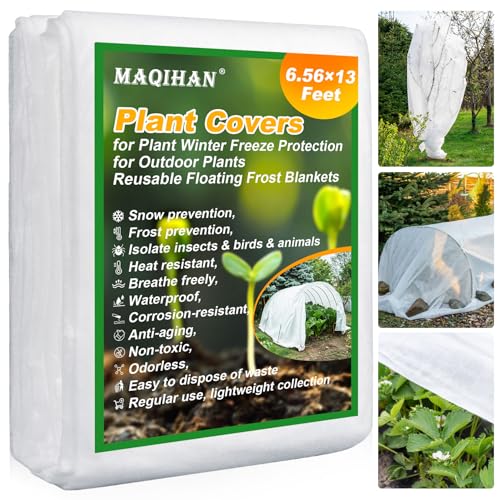
Product Features: Our plant covers are ideal for protecting all plant. Made from premium 1 oz/sq non-woven fabric, their durability and breathability ensuring both insulation against frost and facilitation of sunlight penetration for healthy plant growth
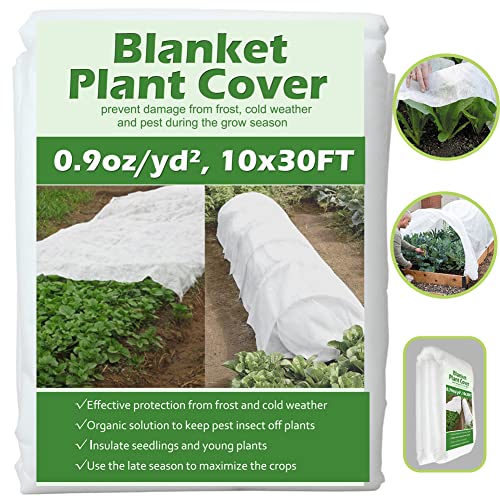
※Big Size to cover large area : The size of our plant cover is 10x30ft, the size can cover large areas. You can cut the plant covers freeze protection into different sizes for different use. You can cover it over the plant such as shrub tomato, pepper, pumpkin, and so on.

10 x 30-foot frost protection plant cover for defending plants from light frost, light snow, and mild cold conditions
Spring Planting
For spring planting, aim for a window typically 2 to 4 weeks before the last frost date. This timing applies to cool-season varieties like Butterhead and Romaine. Starting seeds indoors gives you a head start and allows for transplanting outdoors once the soil warms. Ensure soil temperature is between 60°F and 70°F for best results. Monitor nighttime temperatures; if they’re too cold, consider using row covers to protect seedlings. After germination, lettuce will generally be ready for harvest in 30 to 60 days.
Fall Planting
Fall planting provides another opportunity to grow lettuce, especially warm-season varieties like Summer Crisp and Looseleaf. Plant these varieties about 6 to 8 weeks before the first anticipated frost. Location matters; select areas that receive full sun during the day. Soil temperatures should remain around 60°F to 75°F for optimal growth. Use shade cloths if temperatures exceed this range. Continuous sowing every two weeks can extend your harvest through the cooler fall months, ensuring a fresh supply of lettuce until winter sets in.
By understanding these seasonal considerations, you can effectively plan your lettuce planting and enjoy a bountiful harvest.
Factors Influencing Planting Time
Planting lettuce requires careful consideration of several factors to ensure optimal growth and yield. Understanding these elements helps you determine the best times to sow your seeds.
Recommended Products

YEAR-ROUND GARDEN FAVORITE – Dependable butterhead lettuce that thrives in cool or moderate weather for consistent harvests from spring through fall, even under cover in winter

"Mesclun" comes from the Provençal French word meaning "mixture" — this style of mixed salad greens originated in the Nice region of France and became a staple of fine restaurants worldwide before becoming a home garden favorite.

4 Popular Heirloom Lettuce Varieties: Includes Red Romaine, Bibb Butterhead, Black Seeded Simpson, and Green Ice lettuce seeds to grow crisp, tender, and colorful salad greens with balanced flavor, texture, and visual appeal.
Climate and Temperature
Climate plays a significant role in lettuce growth. Lettuce prefers cool temperatures, ideally between 60°F and 70°F. In cooler climates, plant your lettuce 2 to 4 weeks before the last frost date in spring. In warmer areas, select locations with afternoon shade to protect young plants from intense heat. If daytime temperatures exceed 75°F, consider planting warm-season varieties. Specific temperature ranges support different growth cycles and harvesting times.
Varieties of Lettuce
Lettuce comes in various types, each with unique planting times based on temperature tolerance.
- Cool-season varieties like Butterhead and Romaine flourish in cooler conditions. Sow seeds in early spring for a successful crop.
- Warm-season varieties such as Summer Crisp and Looseleaf thrive in higher temperatures. Plan to plant these about 6 to 8 weeks before the first anticipated frost in the fall.
Choosing the right variety ensures you maximize your harvest, aligning your planting times with the local climate conditions.
Best Practices for Planting Lettuce
Follow these best practices to ensure a successful lettuce harvest. Proper soil preparation, watering, and sunlight management play crucial roles in growing healthy lettuce.
Recommended Products

Quick, at home results for Soil pH, Nitrogen, Phosphorous and Potash Innovative and inexpensive soil test kit features an easy-to-use capsule system and patented color comparators

Accurate Soil pH Testing: Dewildetradingco Soil pH Test Strips offer measurements of soil pH levels (pH 3.5-9). As an essential tool for every gardener and grower, these test strips help determine the optimal pH for various plants, such as outdoor plants, indoor plants, gardens, grass lawns, fruit trees, flowers, vegetables, and forest shrubs.

Kindly NOTE: This soil tester can not be applied to test pH value of any other liquid. If the soil is too dry the indicator will not move, and water it before testing.
Soil Preparation
Start by testing your soil’s pH. Lettuce thrives in a pH range of 6.0 to 6.8. If needed, add lime to raise the pH or sulfur to lower it.
Focus on adding organic matter. Incorporate well-rotted compost or aged manure before planting to enrich the soil. This improves drainage and provides essential nutrients.
Tilling the soil to a depth of about 12 inches helps aerate it and breaks up any compacted areas. Aim for a smooth, level surface for even seed distribution.
Watering and Sunlight
Water your lettuce consistently. Aim for approximately 1 inch of water per week. Use a soaker hose or drip irrigation to keep moisture levels steady without saturating the soil. Overwatering can lead to root rot.
Position your lettuce in a location that receives 6 to 8 hours of sunlight daily. For warmer climates, provide afternoon shade to protect young plants from excessive heat.
Monitor your plants closely. If the leaves begin to wilt, it’s a sign they need water. Regularly check for signs of pests or disease, as these can affect growth and yield.
Conclusion
Getting the timing right for planting lettuce can make all the difference in your garden. By understanding the growth cycles and climate conditions, you can enjoy a continuous supply of fresh greens. Whether you’re opting for cool-season or warm-season varieties, remember to keep an eye on the weather and adjust your planting schedule accordingly.
With a little planning and care, you’ll be well on your way to a thriving lettuce patch. Happy gardening and enjoy those delicious salads!
Frequently Asked Questions
When is the best time to plant lettuce?
Plant lettuce in the spring 2 to 4 weeks before the last frost, and in the fall 6 to 8 weeks before the first frost. Cool-season varieties thrive in temperatures between 60°F and 70°F, while warm-season varieties can tolerate up to 75°F.
How long does it take for lettuce to grow?
Lettuce typically takes 30 to 60 days to mature after germination, depending on the variety. Cool-season types generally grow faster, while warm-season varieties may take a bit longer.
What soil conditions are ideal for growing lettuce?
Lettuce prefers well-drained, nutrient-rich soil with a pH between 6.0 and 6.8. Enrich your soil with organic matter like compost or aged manure for optimal growth.
How can I protect lettuce seedlings from cold temperatures?
Using row covers can help protect seedlings from cold nighttime temperatures. Starting seeds indoors can also give them a head start in spring.
Should I water my lettuce every day?
Lettuce needs about 1 inch of water per week. Use soaker hoses for consistent moisture, and monitor the soil to ensure you’re not overwatering.
How much sunlight do lettuce plants need?
Lettuce requires 6 to 8 hours of sunlight daily. In warmer climates, providing afternoon shade for young plants can help protect them from excessive heat.
What are the benefits of continuous planting?
Continuous planting, or sowing seeds every two weeks, ensures a steady supply of fresh lettuce throughout the growing season, maximizing your harvest.
How do climate and temperature affect lettuce planting?
Climate and temperature significantly influence lettuce growth. Plant cool-season varieties in cooler areas before the last frost, and choose warm-season varieties for regions with higher daytime temperatures.
