

Ever wondered why your garden carrots come out in all shapes and sizes, like a vegetable family reunion? Picture this: you’re aiming for uniform, picture-perfect carrots, but end up with a quirky bunch that could star in a veggie comedy show. Fret not, dear gardener! In this article, we’ll unveil the secrets to achieving consistent carrot size and shape that will make your garden the envy of the neighborhood.
Imagine effortlessly pulling out carrots that could pass as twins, each one a mirror image of the other. Say goodbye to odd-shaped veggies that make you question your gardening skills. With the right techniques, you’ll soon be harvesting a bounty of carrots that are not just delicious but also visually stunning. Stick around to discover the simple yet effective methods to elevate your carrot-growing game.
Importance of Consistent Carrot Size and Shape
Growing carrots of uniform size and shape may seem like a small detail, but it actually plays a crucial role in the overall success of your garden. Here’s why it’s essential:
- Aesthetic Appeal: Consistent carrots make your garden visually appealing and showcase your gardening skills to neighbors and visitors.
- Ease of Harvest: Uniform carrots are easier to harvest as they mature at the same time, streamlining the harvesting process.
- Market Value: If you sell your produce or participate in farmers’ markets, uniformly shaped carrots are more desirable to customers.
- Even Cooking: Carrots of similar size and shape cook more evenly, ensuring a consistent taste and texture in your dishes.
- Storage Efficiency: Uniform carrots are easier to store, stack, and pack, maximizing storage space and minimizing waste.
- Quality Assurance: Consistent size and shape often indicate healthier plants and better cultivation practices.
Now that you understand the significance of achieving consistent carrot size and shape, let’s dive into the techniques that will help you elevate your carrot-growing game.
Factors Affecting Carrot Size and Shape
When it comes to ensuring consistent carrot size and shape, several factors play a crucial role in determining the outcome of your harvest. Understanding these key factors can help you improve the quality of your carrots and produce visually appealing results. Here’s what you need to know:
- Soil Quality: Well-draining soil with the right balance of nutrients is essential for healthy carrot growth. Soil that is too rocky or compacted can restrict the root’s expansion, leading to irregular shapes.
- Spacing: Proper spacing between seeds is important to allow each carrot to develop without competition. Overcrowding can result in stunted growth and misshapen carrots.
- Watering: Consistent watering is critical for uniform carrot development. Inconsistent watering patterns can cause carrots to crack or fork, affecting their size and shape.
- Thinning: Thinning out seedlings to the recommended spacing is vital for ensuring each carrot has enough room to grow to its full potential. Crowded carrots will not have space to reach their desired size and shape.
- Seed Quality: Starting with high-quality seeds can significantly impact the final size and shape of your carrots. Opt for reputable seed suppliers to increase your chances of success.
- Growing Conditions: Factors such as temperature, sunlight exposure, and pest control can influence carrot growth. Maintaining optimal growing conditions can help produce uniform carrots.
By paying attention to these factors and implementing the right techniques, you can enhance the size and shape consistency of your carrots, leading to a bountiful and visually appealing harvest.
Choosing the Right Carrot Varieties for Consistency
When it comes to ensuring consistent carrot size and shape, selecting the right carrot varieties plays a pivotal role. Different carrot varieties have unique characteristics that can influence how uniform your harvest will be. Here’s how to choose the best carrot varieties for your needs:
- Look for uniformity: Opt for carrot varieties known for producing carrots that are similar in size and shape.
- Consider hybrid varieties: Hybrid carrots are bred to exhibit specific traits, including uniformity in size and shape.
- Choose varieties suited to your growing conditions: Some carrot types thrive in particular climates or soil types, which can impact their growth consistency.
By choosing the appropriate carrot varieties, you lay a solid foundation for achieving consistent and visually appealing carrots in your harvest.
Remember, not all carrot varieties are created equal: some are naturally better suited for uniform growth than others. By selecting wisely, you set yourself up for success in your carrot-growing endeavors.
Best Practices for Planting Carrots
When it comes to planting carrots, proper spacing is crucial. Carrot seeds are tiny, so it’s essential to thin them properly to give each plant enough space to grow.
Here are some best practices to ensure consistent size and shape in your carrot harvest:
- Planting Depth: Sow seeds about half an inch deep in well-draining soil.
- Soil Preparation: Ensure the soil is loose and free of stones to prevent crooked or stunted growth.
- Watering: Keep the soil consistently moist but not waterlogged to promote even root development.
- Mulching: Use mulch to retain moisture, regulate soil temperature, and prevent the soil from developing a hard crust.
- Weeding: Regularly weed your carrot patch to reduce competition for nutrients and prevent misshapen carrots.
- Timing: Plant carrots earlier in the spring or late summer for optimal growth.
Remember, implementing these best practices can significantly improve the overall quality of your carrot harvest.
Recommended Products
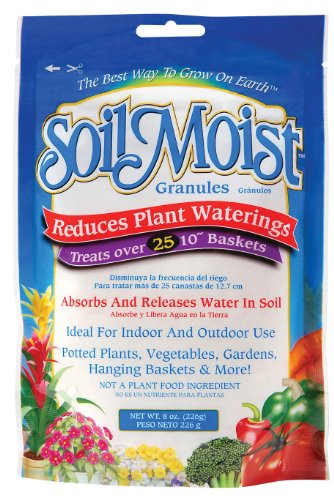
Grow beautiful plants with less water


【Packaging Includes】 You will receive 1 pack natural and organic coco coir chip bricks, each brick weights about 10 lb and is able to expand up to 72 quarts quickly. The dimensions of each brick are 11.81*11.81*5.11 inches. Perfect mulch for growing plants.
Tips for Maintaining Consistent Carrot Growth
Thinning Carrot Seedlings:
- After germination, ensure 2-3 inches between each plant to prevent overcrowding.
- Overcrowding can lead to distorted carrots, so thin out seedlings accordingly.
Consistent Watering:
- Maintain moist soil throughout the growing season; irregular watering can cause misshapen or cracked carrots.
Adequate Nutrients:
- Ensure your soil is well-draining and amended with organic matter like compost for healthy root development.
Temperature Control:
- Carrots prefer cooler temperatures; 60-70°F is ideal for steady growth.
Protection from Pests:
- Keep a lookout for carrot flies and wireworms, which can deform carrots; use physical barriers or organic pest control methods.
Harvest Timing:
- Harvest at the right time; mature carrots can reach respectable sizes of 7-9 inches in length for most varieties.
- After harvest, store carrots in a cool, humid environment to maintain their shape and flavor.
Implementing these tips will help ensure your carrots grow uniformly, resulting in a bountiful and visually appealing harvest.
Conclusion
You now have a range of techniques at your disposal to ensure your carrots grow consistently in size and shape. By following the advice on thinning seedlings, maintaining consistent watering, amending soil, controlling temperatures, protecting against pests, harvesting at the right time, and proper storage, you’re well-equipped to cultivate a beautiful and abundant carrot harvest. Implement these strategies in your gardening routine, and watch your carrots flourish into uniform, picture-perfect delights. Happy gardening!
Frequently Asked Questions
Why is thinning seedlings important for growing carrots?
Thinning seedlings is crucial to prevent overcrowding, allowing space for carrots to develop properly without competition for nutrients.
How does consistent watering affect carrot growth?
Consistent watering ensures that carrots grow evenly and maintain their shape, preventing misshapen or stunted growth.
Why is amending soil with organic matter beneficial for growing carrots?
Organic matter in the soil helps improve soil structure, drainage, and fertility, creating an optimal environment for healthy carrot root development.
How do temperatures impact the growth of carrots?
Carrots thrive in cooler temperatures, around 60-70°F (15-21°C), as high heat can cause carrots to bolt or develop a bitter taste.
How can gardeners protect carrots from pests like carrot flies and wireworms?
Using physical barriers, like row covers, and practicing crop rotation can help deter pests from damaging carrot crops.
When is the right time to harvest carrots?
Carrots are ready for harvest when they reach the desired size and color, typically around 1 inch (2.5 cm) in diameter, usually 70-80 days after planting.
How should harvested carrots be stored?
Remove the green tops, brush off excess soil, and store carrots in a cool, humid environment such as the refrigerator to maintain freshness and crispness.
