

Are you struggling to find the perfect size grow bags for your tomato plants? Picture this: you’re eager to start your gardening project, but you’re unsure which grow bag dimensions will best suit your tomatoes. The good news is, with the right information at hand, you can set your plants up for success from the get-go.
In this article, we’ll guide you through choosing the ideal size grow bags for your tomato plants. By understanding how different sizes can impact plant growth and yield, you’ll be equipped to make informed decisions for a thriving garden. Let’s explore the benefits of selecting the right size grow bags and ensure your tomatoes have ample space to flourish.
Key Takeaways
- Choose the right size grow bags for tomatoes to promote healthy growth and optimal yield.
- Consider factors like plant variety, available space, root development, climate conditions, and watering frequency when determining the ideal grow bag size.
- Select 5-gallon grow bags for determinate tomato varieties in smaller spaces like patios; opt for 10-gallon bags for indeterminate types in larger garden areas.
- Decide between fabric and plastic grow bags based on aeration, moisture retention, durability, and maintenance preferences.
- Tailor the grow bag size to specific tomato varieties: use 1-5 gallon bags for cherry tomatoes, 5-10 gallon bags for Roma tomatoes, 10-20 gallon bags for beefsteak tomatoes, and 5-20 gallon bags for heirloom tomatoes.
- Enhance soil with nutrient-rich mixtures and manage watering practices carefully to ensure healthy root development and prevent issues like root rot.
Understanding Grow Bag Sizes for Tomatoes
When it comes to choosing the right size grow bags for your tomato plants, understanding the implications of different sizes is essential for ensuring healthy growth and abundant yields. Here’s a breakdown to help you grasp the significance of correct sizing and explore popular options that offer specific benefits.
Recommended Products

Superior Aeration and Drainage for Healthier Roots:Thick nonwoven fabric allows excellent airflow and water drainage to prevent overwatering and root rot promoting stronger plant growth
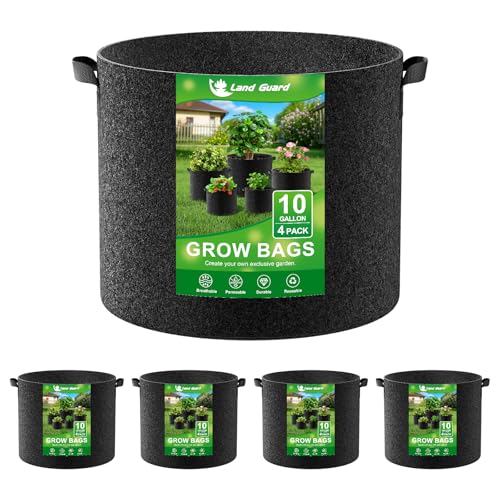
Sturdy Fabric Material: Our Non-Woven fabric grow bags are crafted using high-strength weaving technology, which allows the planting bags to remain lightweight while possessing an impressive ability to bear weight.

Sturdy & Garden-Ready Material: Made of 300g of thickened nonwoven fabric, these pots are moderately permeable, environmentally friendly, and BPA-free; Ideal for raised beds, patios, and outdoor gardens
The Importance of Correct Sizing
Selecting the appropriate size grow bag for your tomato plants directly impacts their overall health and productivity. Too small a container can restrict root development, leading to stunted growth and reduced fruit production. Conversely, overly large grow bags may result in excessive soil moisture retention, potentially causing root rot or other issues.
To provide your tomatoes with ample space to develop strong root systems and thrive, opt for grow bags that offer sufficient room for growth while maintaining proper drainage. This balance is crucial in promoting optimal nutrient uptake and preventing waterlogging, ensuring your plants receive the necessary support to flourish.
- 5-Gallon Grow Bags: Ideal for determinate tomato varieties, 5-gallon grow bags strike a balance between compactness and adequate space. These are suitable for smaller spaces like patios or balconies where larger containers might be impractical.
- 10-Gallon Grow Bags: Recommended for indeterminate tomato varieties that require more extensive root systems, 10-gallon grow bags provide ample room for plant growth throughout the season. They are well-suited for larger garden areas or outdoor setups.
- 20-Gallon Grow Bags: Suited for those looking to maximize yield potential, 20-gallon grow bags accommodate vigorous indeterminate tomato plants with expansive roots. These larger containers offer increased stability and moisture retention while supporting robust growth.
By aligning your choice of grow bag size with the specific needs of your tomato plants based on their variety and growing environment, you can optimize their growing conditions and set them up for success in your garden or any limited-space setting you have available.
Choosing the Right Grow Bag Material
When deciding on the material for your tomato plant grow bags, you have two main options: fabric or plastic. Each type has its own set of advantages and disadvantages that can impact your plants’ growth and overall success.
Recommended Products

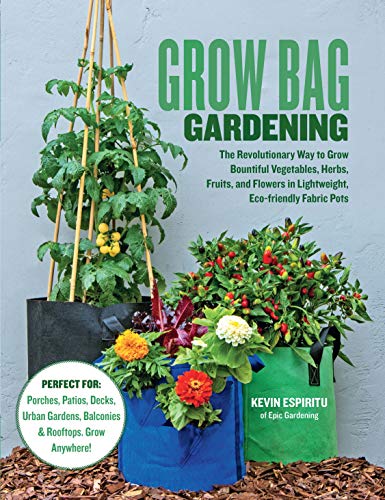
Thickened Nonwoven Fabric: Crafted from 300G thickened breathable nonwoven fabric, these grow bags for plants provide moderate permeability for root respiration; BPA-free material ensures food safety for organic vegetables

Sturdy Fabric Material: Our Non-Woven fabric grow bags are crafted using high-strength weaving technology, which allows the planting bags to remain lightweight while possessing an impressive ability to bear weight.
Fabric Versus Plastic Grow Bags
Fabric grow bags are breathable, allowing air to reach the roots and excess moisture to evaporate. This aeration helps prevent root rot and promotes healthier root systems. They also provide insulation, keeping roots cooler in hot weather and preventing them from overheating.
On the other hand, plastic grow bags are more durable and retain moisture better than fabric bags. They are easier to clean and maintain, making them a good choice for long-term use. However, plastic bags do not offer the same level of aeration as fabric bags, which can lead to issues with drainage and root health if not properly managed.
- Fabric Grow Bags:
- Pros:
- Better aeration for roots.
- Prevents root circling.
- Cooler roots in hot weather.
- Cons:
- Require more frequent watering.
- Can be less durable than plastic.
- Plastic Grow Bags:
- Pros:
- Retain moisture well.
- Easy to clean and reuse.
- Durable for long-term use.
- Cons:
- Poor aeration compared to fabric.
- Risk of overwatering without proper drainage holes.
Choosing between fabric and plastic grow bags ultimately depends on your specific needs as a gardener. Consider factors such as your local climate, watering habits, desired durability, and budget when selecting the right material for your tomato plants.
Determining the Best Size for Your Tomato Plants
When deciding on the size of grow bags for your tomato plants, you should consider several factors to ensure optimal growth and yield.
Recommended Products
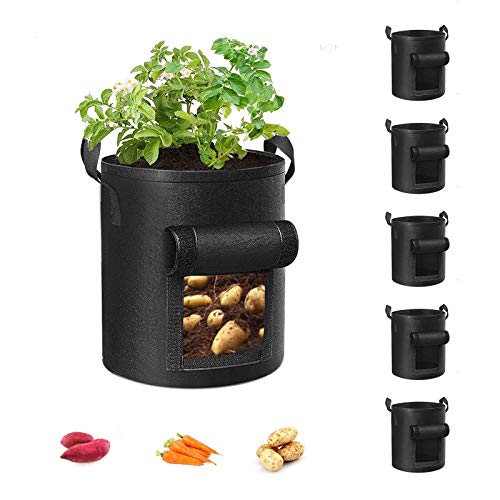
Durable Material: Made of 300g thick non-woven fabric that can be reused for more than 3 years.

[Heavy-Duty Grow Bags]: These heavy-duty grow bags are made from upgraded 300G BPA-free nonwoven fabric, offering superior strength, tear resistance, and long-term reuse
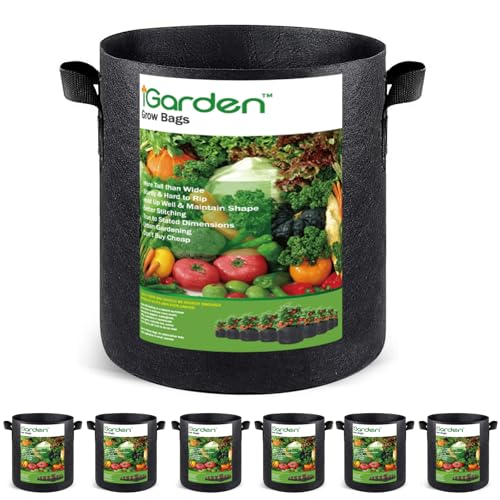
TALL AND STRAIGHT DESIGN & STURDY MATERIAL - Made of 320g thickened nonwoven fabric, fairly permeable, environmental-friendly, clear design, well-analyzed depth, bags can stay upright when unfilled
Factors Affecting Size Choice
- Plant Variety: Indeterminate tomato varieties, which grow continuously throughout the season, generally require larger grow bags to accommodate their extensive root systems. Determinate tomatoes that have a defined growth pattern may thrive in smaller containers.
- Space Available: If you have limited space or are growing tomatoes indoors, choosing smaller grow bags might be more practical to fit within your gardening area.
- Root Development: Consider the depth and width of the grow bag based on how deep and expansive tomato roots can get. Adequate space is crucial for healthy root development and nutrient absorption.
- Climate Conditions: Warmer climates may necessitate larger grow bags to provide better insulation against heat stress, while cooler regions might benefit from smaller sizes that warm up faster.
- Watering Frequency: Larger grow bags retain moisture better but require less frequent watering compared to smaller ones that dry out quicker but offer more control over moisture levels.
- Cherry Tomatoes: These compact plants do well in smaller 1-5 gallon grow bags, making them suitable for balconies or small gardens where space is limited.
- Roma Tomatoes: With their determinate growth habit, Roma tomatoes thrive in 5-10 gallon containers, providing ample room for root development while not taking up excessive space.
- Beefsteak Tomatoes: Known for their large fruits, beefsteak tomatoes perform best in 10-20 gallon grow bags to support their robust growth and heavy fruit production.
- Heirloom Tomatoes: Depending on the specific variety of heirloom tomato being grown (indeterminate vs determinate), choose a size ranging from 5-20 gallons to match their growth patterns and root requirements.
By considering these factors and recommendations tailored to different tomato varieties, you can select the ideal size of grow bags to nurture healthy tomato plants with bountiful harvests.
Tips for Growing Tomatoes in Grow Bags
Soil and Nutrient Management
Ensure your tomato plants thrive by providing nutrient-rich soil in the grow bags. Use a high-quality potting mix specifically formulated for container gardening to support healthy root development and overall plant growth. Consider adding organic compost or slow-release fertilizer to enhance soil fertility throughout the growing season.
Watering and Drainage Techniques
Maintain proper moisture levels by watering your tomato plants consistently but avoid overwatering, as it can lead to root rot. Check the moisture level regularly by inserting your finger into the soil; water when the top inch feels dry. Ensure adequate drainage in the grow bags by creating drainage holes at the bottom to prevent waterlogging, which can harm the roots.
Conclusion
Choosing the right size grow bags for your tomato plants is crucial for their growth and productivity. By considering factors like plant variety, available space, and climate conditions, you can ensure optimal results. Remember to use nutrient-rich potting mix and organic compost to provide your tomatoes with essential nutrients. Proper watering techniques will help prevent root rot and promote healthy growth. Don’t forget to incorporate drainage holes in your grow bags to avoid waterlogging issues. With these tips in mind, you’re on your way to a successful tomato cultivation journey using the ideal grow bag sizes for cherry, Roma, beefsteak, and heirloom tomatoes. Happy gardening!
Frequently Asked Questions
What factors should I consider when choosing the right size grow bags for tomato plants?
Consider plant variety, space availability, and climate conditions when selecting grow bag sizes for tomato plants.
Can you suggest specific grow bag sizes for different types of tomato plants?
For cherry tomatoes, use 5-gallon grow bags. For Roma tomatoes, opt for 7-gallon grow bags. Beefsteak tomatoes thrive in 10-gallon grow bags. Heirloom tomatoes do well in 15-gallon grow bags.
How can I ensure successful tomato cultivation in grow bags?
Use nutrient-rich potting mix with organic compost, water properly to prevent root rot, and ensure adequate drainage holes in the grow bags to avoid waterlogging.
Why are drainage holes important in grow bags for growing tomatoes?
Drainage holes help prevent waterlogging, which can lead to root damage and poor plant growth. Adequate drainage promotes healthy tomato plants and abundant harvests.
