

Are your tomatoes not thriving as you hoped? Wondering what’s missing from their diet? Picture this: you’ve put in the effort, but your tomato plants seem to be lagging behind. The solution might be simpler than you think.
Key Takeaways
- Understanding the essential macronutrients (nitrogen, phosphorus, potassium) and micronutrients required for healthy tomato plant growth.
- Importance of calcium to prevent blossom end rot and magnesium for chlorophyll production in tomatoes.
- Choosing between organic and synthetic fertilizers based on their benefits and potential drawbacks.
- Optimal fertilizer ratios (N-P-K) for different growth stages of tomatoes to promote robust fruit development.
- Timing fertilization during flowering and applying them effectively around the base of plants to avoid overfeeding or underfeeding.
- Common mistakes to avoid such as over-fertilization leading to nutrient imbalances and recognizing signs of nutrient deficiencies in tomato plants.
Understanding Tomato Nutrition Needs
To ensure your tomato plants thrive, it’s crucial to understand their nutritional requirements. Here are the key aspects you need to consider:
The Basics of Tomato Nutrition
Tomatoes, like all plants, require essential nutrients to grow and produce fruit. These nutrients can be categorized into macronutrients and micronutrients:
- Macronutrients: Tomatoes need three primary macronutrients in larger quantities: nitrogen (N), phosphorus (P), and potassium (K). These nutrients support overall plant growth, flower formation, and fruit development.
- Micronutrients: In addition to macronutrients, tomatoes also require micronutrients such as iron, magnesium, zinc, and others in smaller amounts. These micronutrients play vital roles in enzyme activities and overall plant health.
Understanding the balance of these nutrients is key to ensuring your tomatoes receive the necessary elements for robust growth.
- Nitrogen (N): This nutrient is crucial for leafy green growth in tomato plants. It helps in the production of chlorophyll, which is essential for photosynthesis.
- Phosphorus (P): Phosphorus aids in root development and flower/fruit production. It’s particularly important during the early stages of growth when establishing a strong root system.
- Potassium (K): Potassium plays a significant role in overall plant health by improving disease resistance and enhancing fruit quality.
- Calcium: Calcium helps prevent blossom end rot in tomatoes—a common disorder caused by calcium deficiency that leads to dark spots at the blossom end of fruits.
- Magnesium: Magnesium is essential for chlorophyll production and energy transfer within the plant cells.
By ensuring your tomato plants receive adequate amounts of these essential nutrients, you’ll promote healthy growth, robust fruiting, and overall plant vigor.
Choosing the Right Fertilizers
When it comes to feeding your tomatoes, selecting the appropriate fertilizers is crucial for ensuring their optimal growth and productivity. Here’s a guide to help you make informed decisions on choosing the right fertilizers for your tomato plants.
Recommended Products

Balanced 5-10-10 Fertilizer Formula – 5-10-10 fertilizer delivers essential nutrients with higher phosphorus and potassium to support plant development.
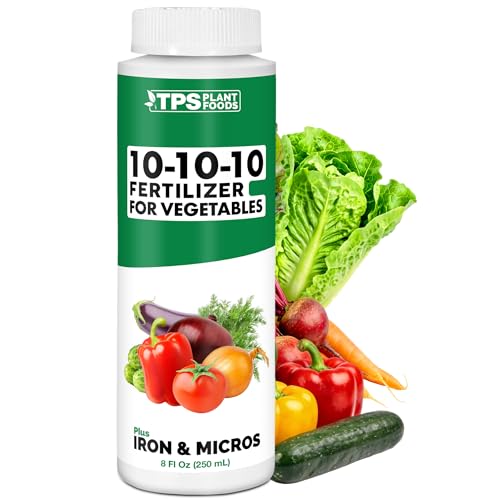
Supports Roots, Foliage & Yield – Helps encourage strong roots, healthy leaves, and productive harvests.

COMPREHENSIVE PLANT NUTRITION: The 10-10-10 in our liquid plant fertilizer signifies a balanced blend of Nitrogen (N), Phosphorus (P), and Potassium (K), each contributing 10% to the total composition. Nitrogen is essential for promoting lush, vibrant foliage and overall growth, while Phosphorus is integral to root development and crucial for blooming and fruiting. Potassium is responsible for overall plant health
Organic versus Synthetic Fertilizers
Organic fertilizers are derived from natural sources such as compost, manure, or bone meal. They provide a slow release of nutrients and improve soil structure over time. On the other hand, synthetic fertilizers are chemically manufactured and offer a quick nutrient boost to plants but may lead to salt buildup in the soil with excessive use.
For organic options, consider using compost or well-decomposed manure to enrich the soil and provide essential nutrients gradually. These materials enhance microbial activity in the soil, promoting long-term plant health.
In contrast, synthetic fertilizers like 10-10-10 or 20-20-20 blends offer precise nutrient ratios for immediate plant uptake. However, be cautious with synthetic options as overapplication can harm beneficial soil organisms and result in nutrient imbalances.
Best Fertilizer Ratios for Tomatoes
Tomatoes have specific nutrient requirements at different growth stages. A balanced fertilizer with an N-P-K ratio of 5-10-10 or 8-16-16 is ideal for promoting healthy tomato plants and robust fruit development.
During the vegetative stage, nitrogen (N) aids in leafy green growth while phosphorus (P) supports root development and flower formation. Potassium (K) becomes more critical during flowering and fruiting stages as it enhances fruit quality and overall plant resilience.
Opt for slow-release fertilizers formulated specifically for tomatoes to ensure a steady supply of nutrients without causing nutrient leaching or burn issues. Remember to follow package instructions carefully when applying fertilizers to prevent any adverse effects on your tomato plants’ health.
By understanding the differences between organic and synthetic fertilizers and selecting the best ratios tailored to your tomato plants’ needs, you can support their growth effectively throughout each stage of development.
Timing and Application Techniques
Knowing when to fertilize your tomatoes and how to apply fertilizers effectively are crucial steps in ensuring their optimal growth and fruit production.
Recommended Products

Contains natural ingredients to feed microbes in the soil

For more nutritious and tasty vegetables
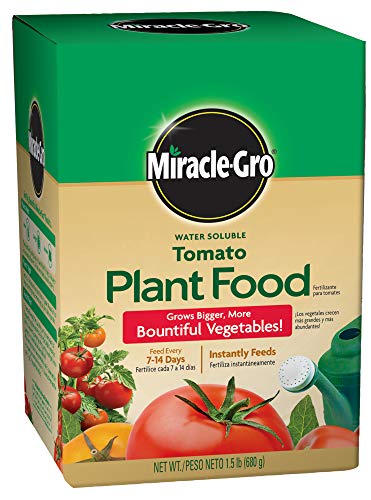
Instantly feeds to grow bigger, more bountiful vegetables versus. unfed plants
When to Fertilize Your Tomatoes
Fertilizing your tomatoes at the right time is essential for their overall health. Start by feeding your tomato plants when they begin to flower. This is a critical stage as it supports the development of fruits. Additionally, continue fertilizing every 2-3 weeks throughout the growing season to provide a consistent supply of nutrients for continuous growth and fruiting.
How to Apply Fertilizers Effectively
When applying fertilizers to your tomatoes, ensure even distribution around the base of the plant. Avoid direct contact with the stem or leaves as this can cause burns or damage. Water the plants after applying fertilizer to help nutrients reach the roots effectively. Consider using slow-release fertilizers for a steady nutrient supply over an extended period, reducing the risk of overfeeding or underfeeding your tomato plants.
By following these timing guidelines and application techniques, you’ll support healthy growth and abundant fruit production in your tomato plants throughout the season.
Common Mistakes in Feeding Tomatoes
When it comes to feeding your tomatoes, there are common mistakes that you should be aware of to ensure your plants thrive. Here are some key points to consider:
Over-fertilization Issues
Overdoing it with fertilizers can harm your tomato plants rather than help them. Excessive fertilization can lead to nutrient imbalances, burning of roots, and stunted growth. It’s essential to follow recommended guidelines for fertilizing tomatoes and avoid the temptation to overfeed them.
Signs of Nutrient Deficiency
Recognizing signs of nutrient deficiency in your tomato plants is crucial for addressing issues promptly. Yellowing leaves, slow growth, and poor fruit development can indicate a lack of essential nutrients like nitrogen, phosphorus, or potassium. Regularly inspecting your plants for any visual cues of deficiencies can help you adjust your feeding regimen accordingly.
By being mindful of these common mistakes in feeding tomatoes, you can nurture healthy plants and enjoy a bountiful harvest. Keep an eye on your plants’ condition and make adjustments as needed to provide them with the right balance of nutrients for optimal growth and fruit production.
Conclusion
Feeding your tomatoes the right nutrients is key to their growth and fruit production. Understanding the essential macronutrients and micronutrients they need, as well as the importance of balanced fertilizers, is crucial for optimal plant health. By choosing the correct fertilizers with tailored N-P-K ratios and avoiding common feeding mistakes like over-fertilization, you can support your tomato plants effectively throughout their growth cycle. Remember to watch out for signs of nutrient deficiency and apply fertilizers carefully to prevent imbalances. With proper feeding practices, you can nurture healthy tomato plants that will reward you with a bountiful harvest of delicious fruits.
Frequently Asked Questions
Q: Why do my tomato plants struggle to grow even with proper care?
A: Tomato plants may struggle due to nutrient deficiencies. Understanding the essential macronutrients (nitrogen, phosphorus, potassium) and micronutrients (iron, magnesium, zinc) they require is crucial for healthy growth.
Q: What role do different nutrients play in promoting tomato plant health?
A: Nutrients like nitrogen promote leafy growth, phosphorus aids in root development and flowering, potassium supports overall plant vigor, while calcium and magnesium help prevent disorders and enhance fruit quality.
Q: How can I choose the right fertilizer for my tomato plants?
A: Opt for balanced fertilizers with specific N-P-K ratios suitable for various growth stages. Organic options like compost or manure can be effective, but synthetic fertilizers can also provide necessary nutrients.
Q: What are common mistakes to avoid when fertilizing tomatoes?
A: Over-fertilization can harm plants. Watch out for signs of nutrient deficiency such as yellowing leaves or stunted growth. Careful application of fertilizers is key to preventing imbalances.
Q: How can I ensure a bountiful harvest from my tomato plants?
A: By providing the correct balance of nutrients through proper fertilization techniques tailored to each growth stage, you can support healthy plant development and maximize fruit production.
