

Have you ever opened your fridge only to find your romaine lettuce wilted and sad? It’s a common frustration for many home cooks. Fresh greens are a staple in salads and sandwiches, but keeping them crisp and vibrant can be a challenge.
Key Takeaways
- Proper Storage Techniques: Wash and dry romaine lettuce before storage, and trim any brown leaves to prevent decay. Store in a breathable container and keep the refrigerator at 32°F to 36°F.
- Crisper Drawer Importance: Always store romaine lettuce in the crisper drawer of the refrigerator, as it helps maintain humidity and protects greens from ethylene gas emitted by fruits.
- Avoid Common Mistakes: Steer clear of wrapping lettuce in plastic, which traps moisture, and refrain from washing it before storage to maintain its crispness.
- Recognize Spoilage Signs: Look out for brown or wilted leaves, slimy textures, and unpleasant odors to identify spoilage early and discard damaged lettuce promptly.
- Utilize Airtight Containers Wisely: If using airtight containers, include a paper towel to absorb excess moisture and ideally store whole heads of lettuce, which last longer than cut leaves.
- Regular Inspection: Regularly check your stored romaine for any signs of wilting or spoilage to ensure you’re only consuming fresh and healthy greens.
Understanding Romaine Lettuce
Romaine lettuce is a popular leafy green known for its crisp texture and slightly bitter flavor. You’ll find it commonly used in salads and sandwiches, making it a kitchen staple.
Nutritional Benefits
Romaine lettuce offers several nutritional advantages. This leafy green is low in calories, with only 15 calories per 100 grams. It’s rich in vitamins A, C, and K, which support eye health, boost the immune system, and promote blood clotting. Additionally, romaine contains fiber, aiding digestion, and provides antioxidants that combat free radicals. Including romaine in your diet promotes overall well-being.
Varieties of Romaine Lettuce
Romaine lettuce comes in various types, each with unique characteristics. Classic varieties include:
- Green Romaine: Characterized by dark green, elongated leaves. It’s the most commonly used type in Caesar salads.
- Red Romaine: This variety has reddish-tipped leaves. It adds color and a slightly milder flavor to dishes.
- Butterhead Romaine: Known for its tender leaves and sweet taste. It’s great for wraps and sandwiches.
Choosing the right variety depends on the flavor profile and texture you prefer in your meals.
Best Practices for Storing Romaine Lettuce
Storing romaine lettuce properly keeps it crisp and fresh for longer. Here are some key practices to ensure your lettuce stays in top condition.
Recommended Products

Maximum Lettuce-Drying, Minimum Effort: Use the OXO Salad Spinner's one-handed pump to thoroughly dry greens, beans, even use it as a fruit washer. The salad spinners best rated always include a superior rinse, spin, and dry like ours
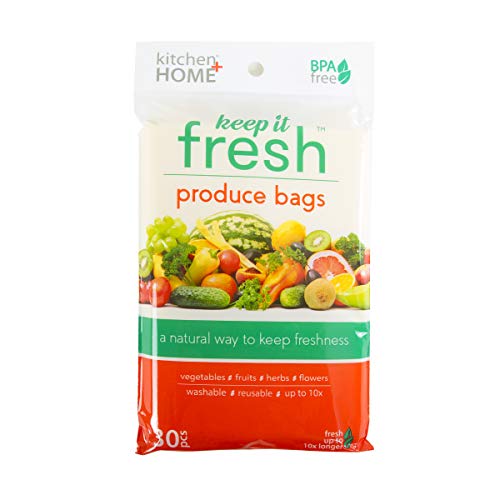
PRESERVE FRESHNESS – As fruits and vegetables ripen they naturally emit ethylene gas which speeds up the natural decomposition process. Keep it Fresh produce bags absorbs this harmful gas and slows down the ripening process, so your produce and flowers stay fresh up to 10 times longer!

HIC Kitchen’s Salad Sac Storage Bag absorbs moisture and extends the freshness of lettuce and salad longer
Preparation Before Storage
- Wash and Dry: Rinse romaine lettuce under cool, running water to remove dirt. Spin or pat dry using a clean kitchen towel or paper towels. Excess moisture leads to wilting.
- Trim Ends: Cut off any brown or wilted leaves. This prevents decay from spreading to healthy leaves.
- Separate Leaves: If buying pre-packaged romaine, separate individual leaves. This allows for better air circulation, prolonging freshness.
- Choose the Right Container: Use a breathable container like a salad spinner or a produce bag. Avoid airtight containers, as they trap moisture.
- Set the Refrigerator Temperature: Keep your refrigerator at 32°F to 36°F (0°C to 2°C). This temperature range helps preserve crunchiness.
- Store in Crisper Drawer: Place romaine in the crisper drawer. This compartment maintains humidity and protects greens from ethylene gas emitted by fruits.
- Keep Away from Ethylene Producers: Don’t store romaine near apples, bananas, or tomatoes. Their ethylene gas can accelerate decay.
- Check Regularly: Inspect your lettuce every few days. Remove any damaged leaves promptly to extend freshness for the rest.
Following these practices ensures your romaine lettuce remains fresh, crispy, and ready for your next salad or sandwich.
Common Mistakes to Avoid
Maintaining the freshness of romaine lettuce requires attention to detail. Avoid these common mistakes to keep your lettuce crisp and delicious.
Recommended Products

PRESERVE FRESHNESS: Our Salad Bag is a kitchen essential that helps keep greens and produce fresher longer. It’s large enough to hold whole lettuce or veggies and keep them crisp for two up to weeks in the fridge

Keep your produce fresh for longer: The PrepSolutions Lettuce Keeper keeps your produce fresh with an adjustable air vent and water reservoir, creating the ideal environment for fresh fruits and vegetables. Item measures 12.5" W x 7.25" D x 5.25" H and weighs 1.14 lbs.

KEEP VEGETABLES CRISP AND FRESH LONGER WITH NO PLASTIC: Vejibag is the healthy, eco-friendly solution for storing and preserving vegetables in the refrigerator. Plastics suffocate produce and promote rot. The organic cotton Vejibag creates a humid environment that lets vegetables breathe. Vegetables remain crisp and vibrant for twice as long than if stored in plastic.
Improper Storage Techniques
Storing romaine lettuce improperly leads to quicker decay. Use these approaches:
- Avoid Plastic Wrap: Wrapping lettuce tightly in plastic traps moisture. This creates a damp environment, promoting spoilage. Use a breathable produce bag or a damp paper towel instead.
- Skip the Crisper Drawer: Placing lettuce on shelves instead of the crisper drawer exposes it to ethylene gas from fruits. Always store it in the crisper drawer designated for vegetables.
- Don’t Wash Before Storing: Washing romaine ahead of time adds moisture. Instead, wash it just before use to maintain its crunch.
Signs of Spoilage
Recognizing signs of spoilage helps you discard bad lettuce before it affects the good. Watch for these indicators:
- Brown or Wilted Leaves: These often signal that the lettuce is past its prime. Remove any brown or wilted leaves promptly.
- Slimy Texture: If the leaves feel slimy to the touch, they’re no longer fresh. Discard the entire head if you find any slimy parts.
- Unpleasant Odor: A foul smell indicates spoilage. If your romaine has an off-putting scent, it’s time to toss it.
By avoiding these mistakes and recognizing spoilage signs, you’ll enjoy fresher romaine lettuce for your salads and sandwiches.
Tips for Extending Freshness
Maintaining the freshness of romaine lettuce requires specific strategies. Implementing these tips can keep your lettuce crisp for longer.
Using Airtight Containers
Airtight containers limit exposure to air, reducing moisture that leads to spoilage.
- Choose containers that seal tightly without trapping excess moisture.
- Place a paper towel inside to absorb excess moisture and prevent sogginess.
- Store lettuce in whole heads whenever possible, as they last longer than pre-cut leaves.
- If using a salad spinner, ensure it’s completely dry before adding your lettuce.
Proper Refrigeration Methods
Refrigeration plays a critical role in extending the life of your romaine.
- Set your refrigerator temperature between 32°F to 36°F for optimal freshness.
- Always store romaine lettuce in the crisper drawer to maintain humidity levels.
- Keep lettuce away from fruits, as they emit ethylene gas that accelerates spoilage.
- Monitor the lettuce for signs of wilting or spoilage, and remove any damaged leaves immediately.
By following these tips, you can enjoy fresh romaine lettuce that enhances your meals.
Conclusion
Keeping your romaine lettuce fresh doesn’t have to be a challenge. By following simple storage tips and being mindful of moisture and air exposure, you can enjoy crisp and flavorful greens for longer. Remember to check your lettuce regularly for any signs of spoilage and adjust your storage methods as needed.
With just a little effort, you’ll always have fresh romaine on hand to elevate your salads and sandwiches. So go ahead and enjoy the benefits of this nutritious leafy green without the worry of it wilting away too soon. Happy munching!
Frequently Asked Questions
What causes romaine lettuce to wilt?
Romaine lettuce wilts due to moisture loss and exposure to air. If not stored properly, the leaves can dry out, losing their crispness and flavor.
How should I store romaine lettuce to keep it fresh?
To keep romaine fresh, wash and dry the leaves, trim any brown parts, and store them in breathable containers in the refrigerator’s crisper drawer, ideally between 32°F and 36°F.
Can I wash romaine lettuce before storing it?
It’s best to avoid washing romaine lettuce before storage, as excess moisture can lead to quicker spoilage. Only wash it right before use.
What are signs of spoiled romaine lettuce?
Signs of spoilage include brown or wilted leaves, a slimy texture, and an unpleasant odor. If you notice these, it’s best to discard the lettuce.
What are the different varieties of romaine lettuce?
Romaine lettuce comes in several varieties, including Green Romaine, Red Romaine, and Butterhead Romaine, each offering unique textures and flavors suitable for various dishes.
