

Are you wondering what types of lettuce can thrive in the summer heat? You’re not alone. Many gardeners face the challenge of growing leafy greens when temperatures soar, but the good news is that there are plenty of options that can flourish even in warm weather.
Key Takeaways
- Heat-Tolerant Lettuce Varieties: Consider summer-friendly types such as Red Romaine, Green Leaf, Buttercrunch, and Lolla Rosa for successful growth in warm weather.
- Ideal Growing Conditions: Lettuce thrives in temperatures between 60°F and 70°F, requiring at least six hours of sunlight daily and well-drained soil with a pH of 6.0 to 7.0.
- Watering Practices: Ensure consistent watering of 1 to 1.5 inches per week, using strategies like drip irrigation to keep the soil moist without overwatering.
- Pest Management: Monitor for pests early, using organic methods and beneficial insects, and rotate crops annually to improve plant health.
- Harvesting at the Right Time: Look for firm leaves and vibrant colors; outer leaves of leaf lettuce should be 6 to 8 inches long, while head lettuce should feel tight before harvesting.
- Storage Techniques: Store harvested lettuce in a damp paper towel inside a plastic bag to maintain freshness, keeping it away from ethylene-producing fruits.
Types Of Lettuce For Summer
Several lettuce types thrive in summer, providing gardeners with options to enjoy fresh greens despite the heat. Here are some varieties to consider:
Recommended Products

🥬 Heat-Tolerant Upright Romaine: Jericho Romaine Lettuce (Lactuca sativa) forms tall, sturdy heads with crisp ribs and tender, mildly sweet leaves. Known for its strong heat tolerance compared to many romaine varieties, it grows 18–24 inches tall and delivers reliable harvests in extended spring and early summer conditions.


4 Popular Heirloom Lettuce Varieties: Includes Red Romaine, Bibb Butterhead, Black Seeded Simpson, and Green Ice lettuce seeds to grow crisp, tender, and colorful salad greens with balanced flavor, texture, and visual appeal.
Leaf Lettuce Varieties
- Red Romaine: Tolerates heat well and enhances salads with its deep red color.
- Green Leaf: Grows quickly and adapts to various growing conditions, making it easy to cultivate.
- Buttercrunch: Combines leaf and butterhead qualities, offering a crisp texture and sweet flavor.
- Lolla Rosa: Features frilly, reddish-green leaves and holds up well in warmer temperatures.
Head Lettuce Varieties
- Romaine: This sturdy lettuce stands tall and thrives in summer conditions, perfect for Caesar salads.
- Butterhead: A favorite due to its tender leaves and sweet flavor, ideal for summer wraps and sandwiches.
- Crisphead: Known for its crunchy texture, it remains a popular choice for salads during warmer months.
- Boston: Delivers tender leaves and a sweet taste, perfect for salads and garnishes.
- Bibb: Requires minimal space and offers a buttery texture, ideal for smaller garden spaces.
- Buttercrunch: As mentioned earlier, it also belongs here due to its unique characteristics and versatility.
Choosing the right lettuce types helps ensure a successful summer garden while providing fresh and nutritious greens.
Growing Conditions For Summer Lettuce
Summer lettuce thrives under specific conditions. Understanding these factors ensures a successful summer harvest.
Recommended Products

2,500 PREMIUM SEEDS: A generous collection of 2,500 high-quality Buttercrunch Lettuce seeds—perfect for gardeners seeking abundant, tender, and reliably crisp greens.

🥬 Crisp Batavian Lettuce Variety: Arianna Batavian Lettuce produces beautifully textured, lightly curled leaves with a crisp bite and refreshing flavor. This reliable variety is known for strong garden performance and its ability to continue producing even as temperatures rise, making it a favorite for steady summer salad harvests.

CLASSIC HEIRLOOM LETTUCE SEEDS – Black-seeded Simpson is a beloved loose-leaf lettuce with light green ruffled leaves and sweet mild taste, ideal for fresh salads and easy harvests from spring through fall
Ideal Temperature Ranges
Lettuce prefers temperatures between 60°F and 70°F. Opt for varieties known for their heat tolerance during warmer months. If daytime temperatures exceed 75°F, consider providing shade to prevent bolting. Using shade cloth can effectively lower soil and air temperatures for optimal growth.
Sunlight Requirements
Lettuce needs at least six hours of direct sunlight daily. Morning sun is ideal, as it allows leaves to dry quickly, reducing the risk of disease. If you notice wilting or leaf scorch, providing afternoon shade can help protect the plants during peak heat.
Soil Conditions
Lettuce flourishes best in loose, well-drained soil with a pH between 6.0 and 7.0. Incorporate organic matter like compost to improve soil structure and fertility. A layer of mulch retains moisture and regulates soil temperature, promoting healthy growth. Regularly check moisture levels, ensuring the soil remains consistently moist but not waterlogged.
Tips For Successful Summer Lettuce Growth
Growing lettuce in the summer requires specific strategies to ensure healthy plants and a bountiful harvest. By following these tips, you can maximize your success while enjoying fresh greens during warmer months.
Recommended Products
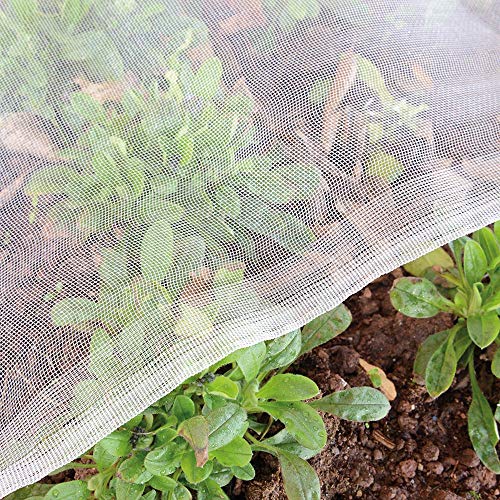
🥬Effective Bug Barrier: Protecting plants and vegetables from a wide range of pest insects and animals, such as cicadas, carrot fly and many species of aphids, you will get a healthier and happier garden

Ultra-Fine Mesh Netting: Large Size 2pack 10x33 Feet provide more security, Ultra Fine Garden Netting has a 0.04in ultra-fine mesh, It also allows sunlight | artificial light as well as air and rain to pass through. Light material, no burden for plant buds. Provide healthy growth environment for plants. Tip:(Not two packages, it's one package with two 10*33FT garden nets inside)

Protection Function: The raised garden bed plant protectors quickly create a closed space that protects the plants from insects, birds and animals, while also allowing sunlight air and moisture to enter, and providing a healthy environment for plant growth.
Watering Guidelines
Water your lettuce deeply and consistently. Aim for 1 to 1.5 inches of water per week, adjusting based on rainfall and temperature. Use drip irrigation or soaker hoses to minimize leaf wetness, which can lead to disease. Water in the early morning or late afternoon to reduce evaporation and allow time for the leaves to dry. Mulching with organic materials, like straw or grass clippings, helps retain soil moisture and keeps roots cool.
Pest Control Strategies
Implement pest control strategies early in the season. Monitor plants regularly for pests, such as aphids and slugs. Use row covers to protect seedlings from insect damage. Introduce beneficial insects, like ladybugs and lacewings, to naturally reduce pest populations. Apply organic pesticides, like neem oil or insecticidal soap, as needed, ensuring the product is safe for edible plants. Rotate crops each season to prevent the buildup of pests and diseases in the soil.
Harvesting And Storing Summer Lettuce
Harvesting lettuce at the right time ensures the best flavor and texture. Proper storage prolongs its freshness.
Signs Of Ripeness
Look for vibrant color and firm leaves, which indicate readiness. Harvest leaf lettuce when the outer leaves are about 6 to 8 inches long. For head lettuce varieties like Romaine or Butterhead, check for a tight, fully-formed head. When heads feel firm to the touch, they’re ready for harvest. Additionally, avoid harvesting too late. As lettuce matures, it can develop a bitter taste.
Best Practices For Storage
Store harvested lettuce immediately. Rinse leaves gently in cold water, then dry them thoroughly. Excess moisture leads to spoilage. Use a salad spinner for efficient drying. After drying, wrap the leaves in a damp paper towel. Place the wrapped lettuce in a plastic bag or airtight container. Storing in the refrigerator keeps lettuce fresh for up to seven days. Adjust temperature settings; 32°F is optimal. Keep lettuce away from ethylene-producing fruits, such as apples and bananas, to prevent premature wilting.
Conclusion
Growing lettuce in the summer can be a rewarding experience when you choose the right varieties and care for them properly. By selecting heat-tolerant options and providing the right conditions you can enjoy fresh greens all season long.
Remember to keep an eye on the temperature and provide shade when needed to prevent bolting. With a little attention to watering and soil conditions you’ll be set for a successful harvest.
So get out there and start planting your summer lettuce. You’ll love the crisp flavors and vibrant colors that will brighten up your meals. Happy gardening!
Frequently Asked Questions
What types of lettuce are best for summer gardening?
There are several heat-tolerant lettuce varieties ideal for summer, including Red Romaine, Green Leaf, Buttercrunch, and Lolla Rosa for leaf types. For head lettuce, consider Romaine, Butterhead, Crisphead, Boston, and Bibb. These varieties can thrive in warm weather while providing fresh flavors and textures.
What growing conditions do summer lettuce need?
Summer lettuce thrives in temperatures between 60°F and 70°F. When temperatures exceed 75°F, providing shade can prevent bolting. Ensure at least six hours of direct sunlight daily, especially in the morning, and aim for well-drained, loose soil with a pH between 6.0 and 7.0.
How much water do summer lettuce plants require?
Summer lettuce needs consistent deep watering of 1 to 1.5 inches per week. Drip irrigation is recommended to minimize moisture on the leaves and prevent diseases while helping to retain soil moisture effectively.
What are some pest control strategies for summer lettuce?
To control pests, regularly monitor plants for signs of trouble, use row covers for protection, and introduce beneficial insects. Organic pesticides can also be effective if necessary. Crop rotation each season helps prevent pest buildup in the soil.
How do I know when to harvest my lettuce?
Look for vibrant color and firm leaves as indicators of ripeness. Leaf lettuce can be harvested when leaves are adequately sized, while head lettuce should be harvested when heads are firm and full.
How should I store harvested summer lettuce?
Rinse and dry the lettuce leaves thoroughly. Wrap them in a damp paper towel and store them in the refrigerator. Keep lettuce away from ethylene-producing fruits to prolong freshness and prevent wilting.
