

Have you ever wondered how a simple aquatic plant could transform your garden or aquarium? Water lettuce, with its lush green leaves and floating presence, isn’t just a pretty face. It offers a range of benefits that can enhance both your outdoor and indoor spaces.
Key Takeaways
- Natural Water Filtration: Water lettuce effectively reduces algae growth by absorbing excess nutrients, improving water quality for fish and aquatic life.
- Habitat Enhancement: Its floating leaves offer shelter and breeding grounds, promoting biodiversity in ponds and aquariums.
- Aesthetic Appeal: The lush green appearance of water lettuce enhances the beauty of aquatic environments, making it a popular choice for gardeners.
- Erosion Control: Its root system stabilizes shorelines and prevents sediment runoff, protecting local ecosystems during rain events.
- Nutritional and Medicinal Benefits: Water lettuce is a nutritious food source for livestock and shows promise in traditional medicine for its anti-inflammatory and antioxidant properties.
What Is Water Lettuce Good For
Water lettuce offers several practical benefits for both gardens and aquariums. This versatile plant enhances habitat quality, supports water management, and promotes aquatic life sustainability.
Recommended Products

IMPORTANT: Please note that during times of extreme weather, live plants will suffer due to extreme temperatures. During winter, do not order live plants when temperatures are expected to go below 20F at the lowest point during the day. During summer, avoid ordering plants when temperatures are above 100F.
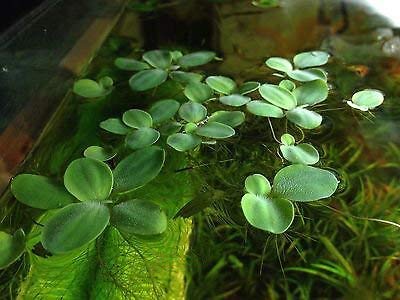
12 Dwarf Water Lettuce, Pistia stratiotes, Live Aquarium/Floating/Aquatic Plant
You get 1 Water Lettuce 3-5" in diameter ready to float on your pond
1. Natural Water Filtration
Water lettuce acts as an effective natural filter. It absorbs excess nutrients, such as nitrogen and phosphorus, from the water, reducing algae growth. By maintaining water quality, it creates a healthier environment for fish and other aquatic organisms.
2. Habitat for Aquatic Life
Water lettuce provides shelter and breeding grounds. Its floating leaves create shade and protect young fish from predators. This makes it an ideal addition to fish ponds or aquariums, fostering a diverse ecosystem.
3. Aesthetic Enhancement
Water lettuce adds visual appeal. Its lush, green leaves float gracefully, improving the look of ponds and water features. This aesthetic value makes it popular among garden enthusiasts who want to enhance their outdoor spaces.
4. Erosion Control
Water lettuce helps control erosion along water bodies. Its roots anchor soil, reducing sediment runoff during rain events. Implementing water lettuce can stabilize shorelines and protect local ecosystems.
5. Usability in Hydroponics
Water lettuce is a common choice in hydroponics systems. Its rapid growth and adaptability provide a steady supply of fresh greens. Consider using it in your hydroponic setup for a sustainable food source.
6. Potential Medicinal Uses
Water lettuce shows promise in traditional medicine. Some cultures use it for its anti-inflammatory and antioxidant properties. Consult with a healthcare professional before exploring these uses.
7. Animal Feed
Water lettuce serves as a nutritious feed for livestock. Its high moisture content and rich nutrients make it a favorable option for animals like rabbits and poultry. If you raise animals, consider incorporating water lettuce into their diet.
By understanding these benefits, you can effectively incorporate water lettuce into your garden or aquarium. Its versatility provides not only aesthetic appeal but also functional advantages, making it a valuable addition to any aquatic setting.
Benefits of Water Lettuce
Water lettuce offers numerous advantages for aquatic environments, enhancing both ecological balance and visual appeal.
Recommended Products

LIVE PLANTS: Package includes 8 fresh water Lettuce plants with vibrant green leaves and buoyant bulbs for immediate pond use

LIVE PLANTS: Package includes 5 fresh water plants with vibrant green leaves and buoyant bulbs for immediate pond use

LIVE PLANTS: Package includes 4 Extra Large fresh water Lettuce plants with vibrant green leaves and buoyant bulbs for immediate pond use
Eco-Friendly Water Purification
Water lettuce excels at natural water filtration. It absorbs excess nutrients, like nitrogen and phosphorus, reducing harmful algae growth. For instance, in ponds with high nutrient levels, adding water lettuce can significantly improve clarity and quality. This process creates a healthier ecosystem for other aquatic organisms. By actively filtering water, water lettuce helps maintain a balanced environment in both natural and artificial settings.
Habitat for Aquatic Life
Water lettuce provides crucial habitat for various aquatic species. Its floating leaves offer shelter and breeding grounds for fish and invertebrates. For example, small fish often find protection among the dense foliage, away from predators. Additionally, water lettuce can create microhabitats that promote biodiversity. Whether in backyard ponds or larger ecosystems, incorporating water lettuce supports fish populations and enhances the overall health of aquatic habitats.
Uses in Aquaponics
Water lettuce serves multiple purposes in aquaponics, making it a valuable addition to your system. It improves nutrient cycling while enhancing water quality, supporting both plant and fish health.
Recommended Products

12+ LEAVES: You will receive plants with a combined total of 12 leaves or more (see 2nd pic for approximate size)


Nutrient-Rich Food Source
Water lettuce is a nutrient-rich food source for fish and other aquatic organisms. The plant absorbs nitrogen, phosphorus, and potassium from the water, keeping nutrient levels balanced. You can harvest water lettuce regularly to feed herbivorous fish, such as tilapia and koi. This practice not only nourishes your fish but also promotes optimal growth rates and enhances their health.
Weed Control in Ponds
Water lettuce helps control unwanted aquatic weeds in ponds and aquaponics systems. By covering the water’s surface, it blocks sunlight, limiting the growth of aggressive invasive species. This coverage fosters a healthier environment for your aquatic plants and fish by reducing competition for resources. Additionally, the dense root systems of water lettuce anchor the soil, minimizing erosion and improving overall water quality.
Health Benefits of Water Lettuce
Water lettuce offers various health benefits, both as a food source and for its medicinal properties.
Nutritional Value
Water lettuce contains significant nutritional components. It is low in calories while providing essential vitamins and minerals. These include:
- Vitamins: Rich in vitamin A and vitamin C, which support immune health and skin integrity.
- Minerals: Provides calcium and potassium, important for bone health and maintaining blood pressure.
- Fiber: Supplies dietary fiber that aids digestion and promotes a feeling of fullness.
Incorporating water lettuce into your diet can enhance your nutritional intake. You can add it to salads or smoothies for extra health benefits.
Medicinal Properties
Water lettuce possesses notable medicinal properties that may support overall well-being. Research indicates:
- Anti-Inflammatory Effects: Compounds in water lettuce may help reduce inflammation, potentially benefiting those with chronic inflammatory conditions.
- Antioxidant Properties: The plant contains antioxidants that protect cells from damage caused by free radicals.
- Traditional Uses: In some cultures, water lettuce has been used to treat ailments such as wounds and respiratory issues.
While these properties show promise, always consult a healthcare professional before using water lettuce for medicinal purposes.
Conclusion
Water lettuce is more than just a pretty plant floating on the surface of your pond or aquarium. Its ability to improve water quality while providing a habitat for aquatic life makes it a valuable addition to any ecosystem. Plus its nutritional benefits can enhance your diet and promote health.
Whether you’re looking to beautify your garden or create a thriving aquaponics system water lettuce offers a range of functional uses. Embracing this versatile plant can lead to a healthier environment for both you and the aquatic creatures you cherish. So why not give water lettuce a try and enjoy all the benefits it brings?
Frequently Asked Questions
What is water lettuce?
Water lettuce is an aquatic plant known for its lush green leaves and floating nature. It’s often used in gardens and aquariums to enhance visual appeal while providing functional benefits.
What are the benefits of water lettuce?
Water lettuce improves water quality by filtering out excess nutrients, reducing algae growth, and providing habitats for fish and aquatic life, thus promoting biodiversity.
How does water lettuce help in hydroponics?
In hydroponics, water lettuce supports nutrient cycling and improves water quality, benefiting both plants and fish in the system while serving as nutritious feed.
Can water lettuce be used for medicinal purposes?
Yes, water lettuce has anti-inflammatory and antioxidant properties. However, it’s recommended to consult a healthcare professional before using it for medicinal purposes.
Is water lettuce good for livestock?
Absolutely! Water lettuce is a nutritious feed option for herbivorous livestock and can enhance their health while providing essential vitamins and dietary fiber.
How does water lettuce contribute to erosion control?
The dense root systems of water lettuce help stabilize shorelines, minimizing soil erosion while improving water quality by anchoring the soil in place.
