

Are you tired of struggling to get your tomato plants to thrive? Picture this: You’ve put in the effort, but your tomatoes are not as plump and juicy as you hoped. What if there was a simple solution to boost their growth and flavor?
In this article, we’ll explore the world of tomato plant fertilizers. You’ll discover how the right fertilizer can make a significant difference in the health and yield of your tomato plants. Imagine having vibrant, bountiful tomatoes that are the envy of your neighbors’ gardens.
Ready to unlock the secrets to growing robust and delicious tomatoes? Stay tuned to learn about the best tomato plant fertilizers that will take your gardening game to the next level.
Key Takeaways
- Understanding the importance of macronutrients like nitrogen, phosphorus, and potassium for promoting healthy growth and fruit production in tomato plants.
- Recognizing the significance of micronutrients such as iron, zinc, and boron in addressing specific deficiencies and supporting overall plant vitality.
- Knowing the differences between organic fertilizers (e.g., compost, manure) and synthetic fertilizers (e.g., NPK blends) to make informed decisions based on gardening goals and environmental considerations.
- Conducting soil tests to assess nutrient requirements, evaluating fertilizer formulas with balanced macronutrient ratios, and considering slow-release organic or precise synthetic fertilizers for optimal plant growth.
- Applying fertilizers at key stages like planting, flowering, and every 2-3 weeks during the growing season while following best practices such as proper watering before fertilization, even distribution around plants, mulching for moisture retention, and monitoring plant response for adjustments.
Understanding Tomato Plant Nutrition
When it comes to nurturing your tomato plants, understanding their nutritional needs is crucial for ensuring healthy growth and abundant harvests. Let’s delve into the essential components that contribute to the well-being of your tomato plants.
The Importance of Macronutrients
Macronutrients are the primary nutrients that plants require in large quantities to thrive. For your tomato plants, three key macronutrients play a vital role:
- Nitrogen: Responsible for leafy green growth, nitrogen is essential for promoting vigorous foliage development in tomato plants.
- Phosphorus: Crucial for flower and fruit production, phosphorus aids in the formation of strong roots and supports overall plant health.
- Potassium: Enhances fruit quality and helps build resistance to diseases, making potassium a critical nutrient for robust tomato plants.
Balancing these macronutrients is essential to ensure proper growth, flowering, and fruiting in your tomato plants.
The Role of Micronutrients
While micronutrients are needed in smaller quantities compared to macronutrients, they are equally important for the optimal growth of tomato plants. Some vital micronutrients include:
- Iron: Essential for chlorophyll production and overall plant vitality.
- Zinc: Aids in enzyme activity and promotes healthy root development.
- Boron: Facilitates flower formation and fruit set in tomato plants.
Ensuring that your tomato plants receive adequate micronutrient supplementation can help address specific deficiencies and promote their overall well-being.
By understanding the significance of both macronutrients and micronutrients in supporting the growth and productivity of your tomato plants, you can make informed decisions when selecting the best fertilizer to meet their nutritional requirements.
Types of Tomato Plant Fertilizers
When it comes to choosing the best fertilizer for your tomato plants, you have two main options: organic fertilizers and synthetic fertilizers. Each type has its advantages and considerations that can impact the growth and health of your tomato plants.
Recommended Products

For more nutritious and tasty vegetables

FOR USE ON: Use Chicken Manure organic fertilizer for flowers (annuals, perennials, and roses), Vegetables (tomatoes, peppers, squash, and lettuce), trees and shrubs.
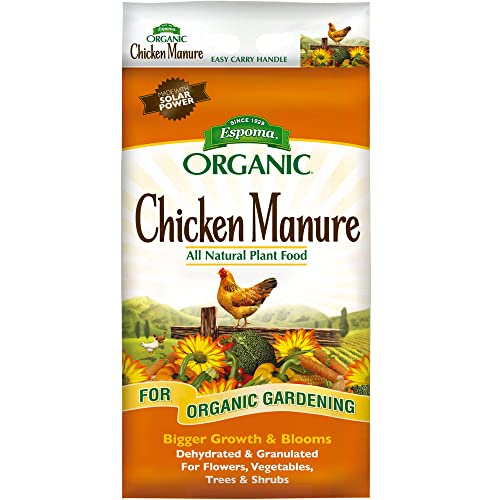
FOR USE ON: Use Chicken Manure organic fertilizer for flowers (annuals, perennials, and roses), Vegetables (tomatoes, peppers, squash, and lettuce), trees and shrubs.
Organic Fertilizers
Organic fertilizers are derived from natural sources such as compost, manure, or bone meal. They provide a slow release of nutrients to the soil, promoting long-term soil health and microbial activity. Examples of organic fertilizers include:
- Compost: Rich in organic matter, compost improves soil structure and fertility over time.
- Manure: Adds essential nutrients like nitrogen to the soil but should be aged or composted before use.
- Fish Emulsion: A liquid fertilizer high in nitrogen that is quickly absorbed by plants.
Using organic fertilizers can enhance soil quality, encourage beneficial microorganisms, and reduce the risk of nutrient leaching into water sources.
Synthetic Fertilizers
Synthetic fertilizers are manufactured chemical compounds designed to deliver specific nutrient ratios to plants. They offer precise control over nutrient levels but may lead to faster nutrient depletion in the soil if overused. Common examples of synthetic fertilizers include:
- Nitrogen-Phosphorus-Potassium (NPK) Blends: Balanced formulations suitable for different growth stages of tomato plants.
- Ammonium Nitrate: Provides a quick boost of nitrogen for rapid plant growth.
- Superphosphate: High in phosphorus content, crucial for flowering and fruit development.
While synthetic fertilizers can deliver immediate nutrients to plants, they may require careful application to prevent nutrient imbalances or harm to beneficial soil organisms.
By understanding the characteristics and benefits of both organic and synthetic fertilizers, you can make an informed decision based on your gardening goals, preferences, and environmental considerations.
Choosing the Best Fertilizer for Tomato Plants
When it comes to choosing the best fertilizer for your tomato plants, there are a few key factors to consider. Here’s how you can make an informed decision:
Recommended Products

COMPLETE PLANT POWER TRIO: The FoxFarm Soil Liquid Trio Pack includes Tiger Bloom, Grow Big, and Big Bloom fertilizers, designed to work together as a complete nutrition program for supporting vigorous growth, multiple bud development and abundant fruit

Contains natural ingredients to feed microbes in the soil

Made for Tomato Plants - This tomato fertilizer is formulated to support healthy growth and fruiting in tomato plants grown in gardens or containers.
Soil Testing and Nutrient Requirements
Before selecting a fertilizer, it’s essential to understand your soil’s composition and the specific nutrient requirements of tomato plants. Conduct a soil test to determine the existing nutrient levels in your garden. This test will reveal deficiencies that need to be addressed through fertilization. By knowing your soil’s pH level and nutrient content, you can choose a fertilizer that complements and enriches the soil for optimal plant growth.
Evaluating Fertilizer Formulas
When evaluating fertilizer formulas for tomato plants, pay attention to the three primary macronutrients: nitrogen (N), phosphorus (P), and potassium (K). Look for a balanced formulation such as 10-10-10 or 5-10-5 that provides these nutrients in appropriate ratios. Nitrogen promotes leafy green growth, phosphorus supports flower and fruit production, while potassium enhances overall plant health and disease resistance.
Consider using slow-release organic fertilizers like compost or manure, which not only provide essential nutrients but also improve soil structure and foster beneficial microbial activity. On the other hand, synthetic fertilizers offer precise control over nutrient delivery but may require careful application to prevent over-fertilization.
By understanding your soil needs, nutrient requirements, and the characteristics of different fertilizer types, you can select the best option to support healthy tomato plant growth in your garden.
Application Tips for Tomato Fertilizers
When and How Often to Fertilize
To ensure your tomato plants thrive, it’s crucial to fertilize them at the right times. Start by applying fertilizer when planting your tomatoes. Once they start flowering, give them another round of fertilizer. Throughout the growing season, continue fertilizing every 2-3 weeks to support healthy growth and abundant fruit production.
Best Practices for Application
- Follow Instructions: Always read and adhere to the instructions on the fertilizer package. Proper application rates are essential to prevent over-fertilization, which can harm your plants.
- Water Before Fertilizing: Water your tomato plants thoroughly before applying fertilizer. This helps prevent root burn and ensures the nutrients are absorbed effectively.
- Avoid Direct Contact: Keep fertilizer away from direct contact with plant stems or leaves as it may cause burns or damage.
- Spread Evenly: Distribute the fertilizer evenly around each plant, ensuring uniform coverage for balanced nutrient uptake.
- Mulch After Fertilizing: Consider mulching around your tomato plants after fertilizing to retain moisture and regulate soil temperature, enhancing nutrient absorption.
- Monitor Plant Response: Pay attention to how your tomato plants respond to fertilization. Adjust the frequency or type of fertilizer based on their growth and overall health indicators.
By following these application tips, you’ll provide your tomato plants with the necessary nutrients for robust growth, vibrant foliage, and bountiful harvests throughout the season.
Recommended Products

ORGANIC PLANT FOOD: This liquid fertilizer for tomatoes & vegetables provides nutrients to ensure superior results.

FOR USE ON: Use Tomato-tone organic fertilizer for all types of tomatoes; both heirloom and hybrid. It Produces plump, abundant tomatoes, not unwanted foliage. Can also be used on all vegetables.

VEGETABLE FERTILIZER: Get the most from your vegetable garden with Miracle-Gro Water Soluble Tomato Plant Food, a water soluble vegetable garden fertilizer that's specially formulated to help you grow more bountiful vegetables (vs. unfed plants)
Conclusion
Choosing the right tomato plant fertilizer is crucial for ensuring healthy growth and abundant harvests. Understanding the balance of nutrients, whether from organic sources like compost or synthetic fertilizers, plays a key role in supporting your plants’ needs. By considering soil testing, nutrient requirements, and proper application techniques, you can provide the optimal nourishment for your tomato plants. Remember to monitor their response and adjust as needed to promote robust growth and vibrant foliage throughout the season. Happy gardening!
Frequently Asked Questions
What are the main nutrients essential for healthy tomato plant growth?
Tomato plants require macronutrients like nitrogen, phosphorus, and potassium, as well as micronutrients such as iron and zinc to thrive.
What is the difference between organic and synthetic tomato plant fertilizers?
Organic fertilizers (e.g., compost, manure) provide slow-release nutrients that enhance soil quality. Synthetic fertilizers offer precise nutrient ratios but may deplete the soil faster if overused.
How can I choose the best fertilizer for my tomato plants?
Choose a fertilizer based on soil testing results, understanding nutrient requirements of tomatoes, and evaluating fertilizer formulas to support optimal plant growth.
What are some application tips for tomato fertilizers?
Apply fertilizers at the right timing and frequency, use proper techniques for application, and monitor plant response to ensure vigorous growth and abundant harvests.
