

Have you ever wondered why your lettuce just doesn’t seem to thrive? Growing this crisp green can sometimes feel like a guessing game, especially when it comes to temperature. If you’ve faced challenges in getting your lettuce to grow lush and vibrant, you’re not alone.
Key Takeaways
- Temperature Matters: The right temperature is crucial for optimal lettuce growth, with cool-season varieties thriving between 45°F and 65°F and warm-season types preferring 60°F to 75°F.
- Optimal Conditions: Most lettuce grows best in the range of 60°F to 70°F, promoting faster germination and healthier plants.
- Soil and Air Temperature: Successful growth relies on both soil and air temperatures; soil should ideally be between 50°F and 70°F while air temperatures should stay around 60°F to 70°F during the day.
- Impact of Extreme Heat: Temperatures above 80°F can stress lettuce, causing it to bolt and develop a bitter taste, so using shade cloths can help mitigate heat effects.
- Nutritional Quality: Lettuce grown in ideal temperatures yields better nutritional value; cooler growing conditions lead to sweeter, more nutritious crops.
- Maintaining Conditions: Techniques like using shade cloths and applying organic mulch can help regulate temperature and moisture, creating a better environment for lettuce cultivation.
Understanding Lettuce Temperature Requirements
Temperature significantly influences lettuce growth. Knowing the right temperature for your lettuce variety helps achieve optimal results.
Cool-Season vs. Warm-Season Lettuce
Cool-season lettuce varieties thrive in lower temperatures, typically between 45°F and 65°F (7°C to 18°C). Examples include butterhead, romaine, and loose-leaf types. These varieties benefit from cooler weather and can withstand frost, making them ideal for spring and fall planting.
Warm-season lettuce varieties prefer higher temperatures, generally ranging from 60°F to 75°F (16°C to 24°C). Examples include summer crisp and some newer hybrids. While warm-season varieties can tolerate heat better, they tend to bolt or develop a bitter taste in excessive heat.
Optimal Temperature Range
The optimal temperature range for growing lettuce varies based on the specific variety. Most lettuce grows best between 60°F and 70°F (16°C to 21°C). Within this range, you can expect faster germination, healthier plants, and better yields.
Check your local climate when planning your planting schedule. Aim to plant cool-season varieties in early spring or fall. For warm-season varieties, plant once temperatures consistently reach 60°F. Utilize shade cloth or row covers to protect lettuce during extreme heat and to extend the growing season when temperatures dip.
Factors Affecting Growth Temperature
Temperature significantly influences lettuce growth, making it essential to consider several factors. Two primary elements that affect growth are soil temperature and air temperature.
Recommended Products

PRECISE SOIL TEMPERATURE READINGS: Measures soil temperatures from 20 degrees F to 180 degrees F (0 degrees C to 80 degrees C) with a large, easy-to-read analog dial face - no batteries or digital screens needed for reliable results every time

Easy-to-read green, yellow, and red tick marks for easy monitoring
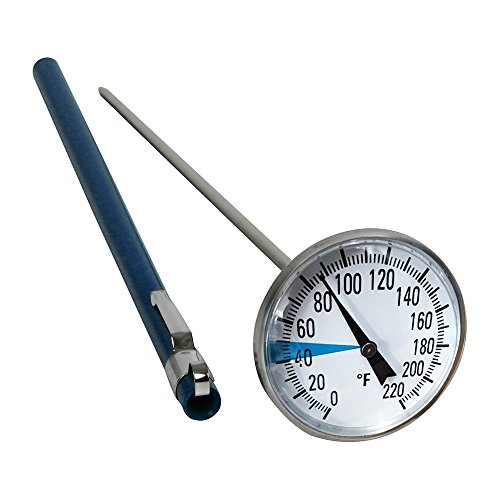
PRACTICAL SOLUTION - While other Soil Thermometers can’t tell the correct temperature, fogs up, and get broken easily, our soil thermometer has high precision performance, high-visibility, and is designed to last
Soil Temperature
Soil temperature impacts seed germination and root development. Lettuce seeds germinate best at soil temperatures between 50°F and 70°F. If soil temperatures drop below 45°F or rise above 75°F, germination slows or may fail. To ensure optimal conditions, you can use a soil thermometer to monitor temperatures before planting. Additionally, planting in raised beds can enhance soil warmth, providing a better environment for your lettuce.
Air Temperature
Air temperature directly affects lettuce plants throughout their growth stages. Ideal daytime temperatures range from 60°F to 70°F, while nighttime temperatures should remain above 45°F. Excessive heat, above 80°F, stresses lettuce, causing it to bolt and develop a bitter taste. Using shade cloths during hot days can regulate temperatures and protect your plants. Moreover, consider planting varieties suited to your climate, as this choice can greatly influence how well your lettuce grows.
Impact of Temperature on Lettuce Growth
Temperature significantly influences lettuce growth. Understanding the role of temperature helps in cultivating healthy lettuce plants.
Growth Rates
Cool-season varieties grow faster at temperatures between 60°F and 70°F. These conditions help seeds germinate within 7 to 10 days. Above 70°F, growth slows as plants prepare to bolt. Warm-season varieties thrive at temperatures between 60°F and 75°F but may struggle when it exceeds 80°F. Prolonged exposure to high temperatures can lead to rapid growth but diminished quality in flavor and texture. To maintain optimal growth rates, monitor both air and soil temperatures regularly.
Nutritional Value
Temperature affects not only growth but also the nutritional quality of lettuce. Lettuce grown in ideal temperatures tends to have higher nutrient levels. In cooler conditions, lettuce retains moisture and sweetness. However, exposure to heat results in bitter flavors and loss of nutrients. For the best nutritional value, harvest lettuce within a temperature range of 60°F to 70°F. Experimenting with planting schedules can help you achieve the ideal balance between taste and nutrition.
Tips for Maintaining Ideal Growing Conditions
Maintaining ideal growing conditions for lettuce involves several practical steps. You can create a thriving environment by focusing on temperature control and effective gardening techniques.
Using Shade Cloths
Using shade cloths provides essential protection for lettuce during hot weather. Cover the plants with a shade cloth, ideally with a 30% to 50% light-reducing rating. This cloth helps lower the temperature around your lettuce, preventing heat stress. Install the shade cloth above your garden, ensuring it doesn’t touch the leaves. Adjust it as needed to allow for air circulation while providing adequate shade. Monitor weather changes to determine how frequently you’ll need the shade cloth, especially during heatwaves.
Mulching Techniques
Mulching techniques contribute significantly to maintaining moisture and temperature stability. Apply organic mulch, such as straw or shredded leaves, around your lettuce plants, aiming for a thickness of about 2 to 3 inches. This layer helps keep soil cool and retains moisture, reducing the need for frequent watering. Additionally, mulch minimizes weed growth, which competes for nutrients and water. Reapply mulch as it decomposes to maintain its effectiveness. Regularly check the moisture levels beneath the mulch to ensure lettuce roots stay hydrated without becoming waterlogged.
Conclusion
Finding the right temperature for growing lettuce can make all the difference in your garden. By sticking to the optimal range of 60°F to 70°F you’ll encourage healthy growth and delicious flavors. Remember to consider your local climate and adjust your planting schedule accordingly.
Using shade cloths during hot spells or selecting the right varieties can help you achieve the best results. With a little attention to temperature and care, you’ll be well on your way to enjoying vibrant and tasty lettuce from your own garden. Happy gardening!
Frequently Asked Questions
What temperature is best for growing lettuce?
Lettuce grows best in temperatures ranging from 60°F to 70°F. This range promotes faster germination and healthier plants. Cool-season varieties thrive at lower temperatures (45°F to 65°F), while warm-season types prefer 60°F to 75°F.
How do temperature extremes affect lettuce growth?
Excessive heat above 80°F can stress lettuce, leading to bolting and bitterness. Cool-season varieties may grow poorly when temperatures exceed 70°F, while warm-season types struggle when temperatures surpass 80°F.
What are cool-season and warm-season lettuce varieties?
Cool-season varieties thrive in lower temperatures (45°F to 65°F) and can tolerate frost, ideal for spring and fall planting. Warm-season varieties prefer higher temperatures (60°F to 75°F) but may bolt or become bitter in excessive heat.
How can I protect lettuce from heat?
Using shade cloths with a 30% to 50% light-reducing rating can help protect lettuce during hot weather. Additionally, consider using row covers and mulch to maintain soil moisture and temperature stability.
What soil temperature is ideal for lettuce germination?
Lettuce seeds germinate best at soil temperatures between 50°F and 70°F. Poor germination occurs below 45°F or above 75°F, so using a soil thermometer can help you gauge the right conditions.
Why is temperature important for lettuce nutritional value?
Lettuce grown in optimal temperatures (60°F to 70°F) has higher nutrient levels and better taste. Cooler conditions help retain moisture and sweetness, while excessive heat can lead to bitterness and nutrient loss.
How can I determine the right planting schedule for my climate?
Consider your local climate and the temperature preferences of the lettuce varieties you choose. Experimenting with planting schedules for cool and warm-season types can help you achieve optimal growth and quality.
