

Ever wondered why your tomatoes don’t reach their full potential? Picture this: you’ve diligently cared for your tomato plants, only to be met with lackluster harvests. Could it be the temperature holding back your gardening efforts?
Key Takeaways
- Temperature plays a crucial role in tomato growth: Consistent temperatures within specific ranges are essential for seed germination, vegetative growth, flowering, fruit set, and fruit development.
- Optimal temperature ranges at different growth stages: From seed germination to fruit ripening, understanding and maintaining the right temperatures (e.g., 70-85°F for seed germination) are key to successful tomato cultivation.
- Factors affecting tomato growth temperatures: Consider regional climate variations and indoor vs. outdoor growing conditions when setting temperature requirements for healthy tomato plants.
- Temperature management tips: Techniques like mulching, row covers, shading, water management, and creating microclimates can help control temperatures for optimal tomato growth.
Understanding the Importance of Temperature in Tomato Growth
Why Temperature Matters for Tomatoes
Tomatoes are highly sensitive to temperature variations throughout their growth cycle. Consistent temperatures play a vital role in determining the success of your tomato plants. Fluctuations outside the ideal range can impact their growth, flowering, and fruit development.
- Seed Germination: For seeds to sprout, they require warmth. The optimal soil temperature for tomato seed germination is around 70-80°F (21-27°C). Cooler temperatures can slow down germination or lead to poor seedling growth.
- Vegetative Growth: During this stage, when the plant is focusing on leaf and stem development, temperatures between 65-85°F (18-29°C) are ideal. Ensure consistent warmth for healthy vegetative growth.
- Flowering and Fruit Set: To promote flower formation and fruit set, aim for daytime temperatures around 70-85°F (21-29°C). Extreme heat can hinder pollination and reduce fruit production.
- Fruit Development: As tomatoes mature, maintain temperatures between 75-85°F (24-29°C) during the day and slightly cooler at night for optimal fruit ripening without stress on the plants.
Understanding these temperature requirements at each growth stage will help you create an environment that fosters robust tomato plants with bountiful harvests.
Identifying the Best Temperature for Growing Tomatoes
When it comes to cultivating tomatoes successfully, understanding the optimal temperature ranges at different growth stages is crucial. By maintaining suitable conditions, you ensure robust tomato plants and bountiful harvests. Let’s explore the ideal temperatures for each key stage of tomato growth.
Recommended Products

Reliable Results: The VIVOSUN professional heat mat maintains optimal temperatures around 68-86℉ (20-30℃), perfect for Seedling start and cutting propagation; Made from durable PVC material, it's designed to last

Reliable Results: The VIVOSUN professional heat mat maintains optimal temperatures around 68-86℉ (20-30℃), perfect for Seedling start and cutting propagation; Made from durable PVC material, it's designed to last
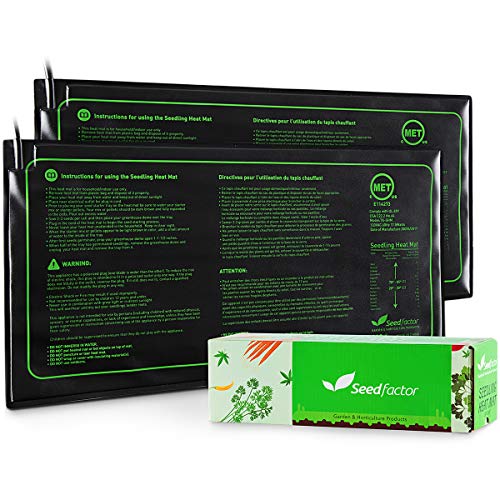
MET safety certified;Comply with UL 499;CSA C22.2 No.64
Seed Germination Temperature
For germinating tomato seeds, a consistent temperature range between 70°F and 85°F (21°C – 29°C) is ideal. This warmth encourages quicker sprouting and healthy seedling development. Ensure that your seeds are kept in a warm location to promote successful germination.
Flowering and Fruit Set Temperatures
During the flowering and fruit set stage, temperatures around 65°F to 75°F (18°C – 24°C) are optimal for tomato plants. These moderate temperatures support proper pollination and fruit formation. Be mindful of fluctuations in temperature during this critical phase to avoid blossom drop or poor fruit development.
Ideal Temperatures for Tomato Ripening
As your tomatoes ripen on the vine, they thrive in temperatures ranging from 70°F to 75°F (21°C – 24°C). Consistent warmth during this period ensures even ripening and enhances the flavor of the fruits. Monitor environmental conditions closely to harvest ripe, flavorful tomatoes.
By aligning with these recommended temperature ranges throughout your tomato plant’s growth cycle, you set the stage for healthy plants and a plentiful tomato harvest. Keep a close eye on temperature fluctuations and make adjustments as needed to support optimal growth and development.
Factors Affecting Tomato Growth Temperatures
Understanding the factors that influence tomato growth temperatures is crucial for successful cultivation. By considering regional climate variations and indoor versus outdoor growing conditions, you can optimize the temperature settings to ensure healthy tomato plants.
Recommended Products

✓ Consistent & Uniform Heating: BN-LINK seedling heat mat for seed starting maintains temperatures around 70–85℉, creating ideal conditions for seed starter and cutting propagation, speeding up seed germination and accelerating seedlings growth. The advanced heating film with double insulation layers ensures even heat and prevents scorching roots.


Regional Climate Variations
When determining the best temperature for growing tomatoes, it’s essential to take into account the regional climate where you are located. Different regions have varying temperature ranges throughout the year, affecting how tomatoes grow. For example, if you live in a cooler climate, you may need to provide additional warmth through techniques like using row covers or protective structures to create a microclimate suitable for tomato growth.
In contrast, regions with consistently high temperatures may require shading or irrigation systems to prevent heat stress on tomato plants. Monitoring your local climate patterns and adjusting your cultivation practices accordingly can help you maintain optimal temperatures for successful tomato growth.
Indoor vs. Outdoor Growing Considerations
Whether you choose to grow tomatoes indoors or outdoors also impacts the temperature requirements for their growth. Indoor environments offer more control over temperature regulation compared to outdoor settings. You can use heating mats, grow lights, and thermostats to maintain ideal temperatures for seed germination and plant development.
On the other hand, outdoor growing exposes plants to natural fluctuations in temperature and weather conditions. While this can be beneficial as it mimics natural growing environments, it’s important to monitor external factors such as sunlight exposure and air circulation that can influence tomato plant health.
By understanding these differences between indoor and outdoor growing conditions, you can adjust your strategies to provide the best possible temperature settings for cultivating robust and productive tomato plants.
Tips for Managing Temperature in Tomato Cultivation
When it comes to growing tomatoes successfully, managing temperature is key. Here are some practical tips to help you maintain the best temperature conditions for your tomato plants:
Recommended Products
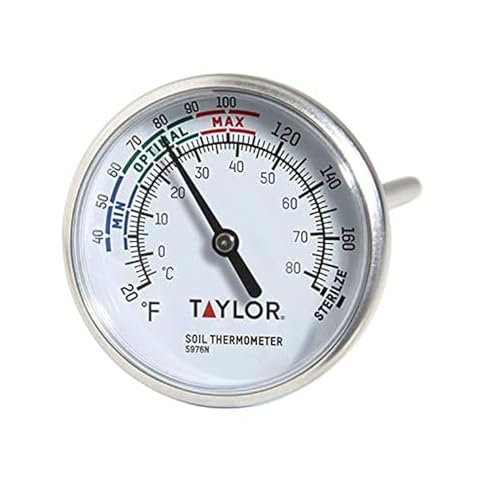
PRECISE SOIL TEMPERATURE READINGS: Measures soil temperatures from 20 degrees F to 180 degrees F (0 degrees C to 80 degrees C) with a large, easy-to-read analog dial face - no batteries or digital screens needed for reliable results every time

Easy-to-read green, yellow, and red tick marks for easy monitoring
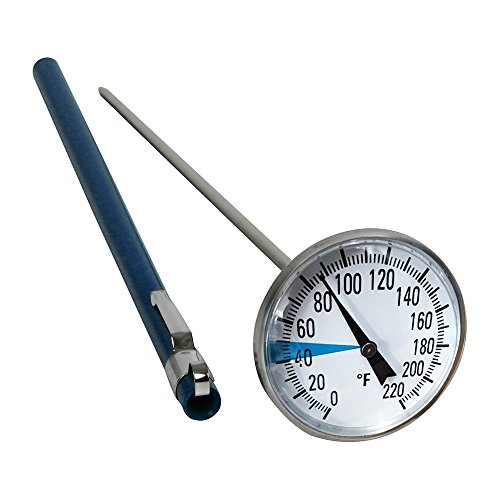
PRACTICAL SOLUTION - While other Soil Thermometers can’t tell the correct temperature, fogs up, and get broken easily, our soil thermometer has high precision performance, high-visibility, and is designed to last
Techniques for Temperature Control
- Mulching: Covering the soil around your tomato plants with mulch helps regulate soil temperature, keeping it stable and protecting the roots from extreme heat or cold.
- Row Covers: Using row covers can shield your plants from temperature fluctuations, acting as a barrier against harsh weather conditions while still allowing sunlight and air circulation.
- Shading: In hotter climates, providing shade for your tomato plants during the hottest parts of the day can prevent them from overheating and getting stressed.
- Water Management: Proper watering practices can help moderate soil temperature and prevent heat stress on your tomato plants. Ensure consistent moisture levels without overwatering.
- Microclimates: Understanding the microclimates in your garden allows you to position your tomato plants in areas with optimal temperature conditions, maximizing their growth potential.
- Digital Thermometer: Invest in a digital thermometer to accurately monitor both air and soil temperatures in your tomato garden. This tool provides real-time data crucial for adjusting cultivation practices.
- Thermal Imaging Camera: For larger-scale operations or advanced monitoring, consider using a thermal imaging camera to visualize temperature variations across your growing area effectively.
- Weather Station: Installing a weather station near your tomato plants gives you access to valuable information on ambient temperatures, humidity levels, and other factors influencing plant growth.
- Smart Irrigation Systems: Some modern irrigation systems come equipped with sensors that measure environmental conditions like temperature, helping automate watering schedules based on real-time data.
By incorporating these techniques and utilizing appropriate tools for monitoring temperature, you can create an environment that optimizes tomato growth throughout its various stages of development.
Conclusion
You now understand the critical role temperature plays in cultivating tomatoes. Achieving the right temperatures for each growth stage is key to a successful harvest. By implementing proper temperature management techniques and utilizing tools like digital thermometers, you can create an optimal environment for your tomato plants. Remember, consistency in warmth is essential from seed germination to fruit ripening. With the knowledge gained from this article, you are well-equipped to ensure that your tomatoes thrive and produce bountiful yields. Happy gardening!
Frequently Asked Questions
What is the importance of temperature management in tomato cultivation?
Temperature management is crucial for tomato plants as it influences seed germination, flowering, fruit set, and ripening. Consistent warmth is necessary for successful growth.
What are the ideal temperature ranges for different growth stages of tomatoes?
- Seed germination: 70-85°F
- Flowering: 65-75°F during the day and above 55°F at night
- Fruit set: Above 60°F
- Ripening: 70-75°F
How do regional climate variations affect tomato growth temperatures?
Regional climates impact the natural temperature fluctuations experienced by tomato plants. Growers must adjust their cultivation practices to suit local conditions.
What are some practical tips for controlling temperatures in tomato cultivation?
Mulching, row covers, shading, water management, and utilizing microclimates can help regulate temperatures effectively.
Which tools can be used for monitoring and regulating temperatures in tomato cultivation?
Digital thermometers, thermal imaging cameras, weather stations, and smart irrigation systems are useful tools for tracking and adjusting temperatures throughout plant development.
