

Have you ever walked into your garden only to find your lettuce plants looking like they’ve been through a war zone? It’s frustrating to see your hard work being devoured by mysterious pests. You’re not alone—many gardeners face this pesky problem.
Key Takeaways
- Identify Common Pests: Familiarize yourself with pests like aphids, slugs, snails, and caterpillars that commonly damage lettuce plants and learn how to spot their signs.
- Recognize Symptoms of Damage: Look for chewed leaves, holes in foliage, and wilting plants as key indicators of pest infestations affecting lettuce health.
- Implement Prevention Strategies: Use physical barriers, organic pest control methods, and companion planting to create a protective environment for your lettuce plants.
- Utilize Effective Treatment Options: Apply insecticidal soaps, neem oil, and diatomaceous earth to manage and treat pest problems effectively, ensuring the ongoing health of your lettuce.
- Regular Monitoring is Key: Frequently check your garden for pest activity and damage to catch infestations early and maintain the vitality of your lettuce plants.
Common Pests That Target Lettuce Plants
Lettuce plants attract various pests that can quickly damage leaves and impact growth. Identifying these invaders helps you take action and protect your plants.
Recommended Products
GENTLE ON MOST PLANTS - This aphid spray is ideal for use on flowers, herbs, vegetables, houseplants, lawn, tree, shrubs, and more

EASY TO USE: The ready-to-use indoor bug spray bottle makes application easy

3-IN-1 GARDEN CARE SPRAY - Earth’s Ally 3-in-1 Plant Spray is a ready-to-use botanical oil spray designed for indoor and outdoor plant care. The houseplant pest spray effectively kills and controls soft-bodied insects and common plant diseases with a synergistic blend of essential oils.
Aphids
Aphids are small, green or black insects that feed on the sap of lettuce plants. These pests cluster on new growth, causing leaves to curl and yellow. They reproduce quickly, so their populations can explode in warm weather. Check the undersides of leaves for these pests. To control aphids, consider introducing beneficial insects like ladybugs, or spray with insecticidal soap.
Slugs and Snails
Slugs and snails are common nighttime pests that leave behind a slimy trail. They’ll create holes in lettuce leaves, making them unappetizing. Look for these culprits at dusk or early morning. To manage them, use barriers like crushed eggshells or diatomaceous earth around your plants. Traps filled with beer can effectively lure them in and prevent further damage.
Caterpillars
Caterpillars, particularly those from cabbage loopers and armyworms, chew through lettuce leaves, leaving large holes. These pests often blend in with foliage, making them difficult to spot. Regularly inspect your plants, especially the leaf undersides where they tend to hide. Handpicking or using Bt (Bacillus thuringiensis) can help control caterpillar infestations.
Symptoms of Damage
Identifying symptoms of damage on your lettuce plants helps address pest infestations effectively. Look out for these common signs.
Chewed Leaves
Chewed leaves indicate the presence of pests like caterpillars or slugs. You might notice irregular holes of varying sizes along the leaf edges. Inspect the undersides of leaves for caterpillars hiding there. Regularly check your plants to catch these pests early.
Holes in Foliage
Holes in foliage usually point to slugs and snails, which leave behind thin trails. These pests create scattered, round holes instead of clean cuts. Check for trails of slime on the soil or near the plants. Eliminating damp environments can deter these pests from returning.
Wilting Plants
Wilting plants often signal that pests like aphids are sucking sap from the leaves. While the leaves may show less damage, the overall plant health suffers. Look for yellowing leaves or drooping plants. Boost plant health with proper watering and nutrient management to help plants recover.
Prevention Strategies
Effective prevention strategies can significantly reduce pest problems in your lettuce plants. Implement these approaches to keep your garden healthy and thriving.
Physical Barriers
Physical barriers offer a straightforward method to protect your lettuce. Row covers, mesh fabric, or floating row covers create a shield that prevents pests from accessing your plants. Use stakes or lightweight frames to keep the covers elevated, allowing sunlight and moisture to reach your lettuce while blocking harmful insects. Additionally, placing copper tape around the planting area deters slugs and snails, as they avoid crossing it.
Organic Pest Control
Organic pest control options provide a safer way to manage infestations without harsh chemicals. Introduce beneficial insects like ladybugs and lacewings, which feed on aphids and other harmful pests. Neem oil or insecticidal soap can effectively target specific pests while remaining safe for your lettuce. Spray these solutions in the early morning or late evening when beneficial insects are less active. Regular monitoring and prompt action can help maintain control.
Companion Planting
Companion planting enhances your garden’s defense against pests. Certain plants naturally repel unwanted insects. For example, planting marigolds alongside your lettuce helps deter aphids due to their strong scent. Similarly, herbs like basil can repel caterpillars and other pests. Consider including these companion plants in your garden layout to create a more pest-resistant environment while maximizing space.
Implementing these prevention strategies promotes healthier lettuce plants and minimizes the risk of pest infestations. Regular monitoring and these proactive steps help you enjoy the fruits of your gardening labor.
Treatment Options
When it comes to dealing with pests that target your lettuce plants, several effective treatment options exist. These methods help manage infestations and protect your hard work in the garden.
Recommended Products

FUNGAL DISEASE CONTROL: Prevents and controls black spot on roses, powdery mildew, rust, downy mildew, and other listed fungal diseases when applied on a 7–14 day schedule

PLANT DISEASE CONTROL: Natria Neem Oil acts as an insecticide and fungicide in one convenient spray; Ready-to-use trigger sprayer requires no mixing

FOR ORGANIC GARDENING: Use in & around the home & garden on roses, flowers, houseplants, ornamental trees & shrubs, fruits & vegetables
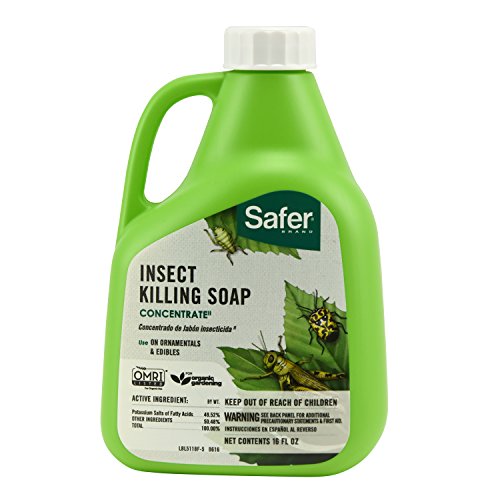
Insecticidal Soaps
Insecticidal soaps provide a straightforward solution for soft-bodied pests like aphids. These soaps work by suffocating the insects upon contact. To use them effectively, follow these steps:
- Choose a commercially available insecticidal soap or create a homemade version using pure liquid soap mixed with water.
- Spray the solution directly onto the affected areas of your lettuce plants, ensuring thorough coverage.
- Repeat applications every 5 to 7 days until you see a noticeable reduction in pest populations.
Neem Oil
Neem oil serves as a natural insect repellent, effective against various pests, including caterpillars and aphids. This oil disrupts their life cycle, preventing further damage. To apply neem oil:
- Dilute 2 tablespoons of neem oil in 1 gallon of water.
- Add a few drops of dish soap to help the solution adhere to the leaves.
- Spray the mixture on both the upper and lower surfaces of the leaves.
- Reapply every 7 to 14 days for continued protection.
Diatomaceous Earth
Diatomaceous earth (DE) acts as a physical barrier against crawling pests like slugs and snails. This powdery substance is made from fossilized algae and damages the exoskeletons of insects. To use diatomaceous earth effectively:
- Apply a thin layer around the base of your lettuce plants.
- Reapply after rain or watering to maintain effectiveness.
- Use caution, as DE can also harm beneficial insects if used indiscriminately.
By employing these treatment options, you can effectively manage pests threatening your lettuce plants, ensuring they remain healthy and productive.
Conclusion
Dealing with pests on your lettuce plants can be a real headache but you’re not alone in this struggle. By staying vigilant and identifying the signs of damage early you can take action to protect your plants.
Implementing prevention strategies like using barriers and introducing beneficial insects can make a big difference. Remember that healthy plants are more resilient so keep up with proper care and maintenance.
With a little effort and the right approach you can enjoy a thriving lettuce garden. Happy gardening and may your lettuce flourish!
Frequently Asked Questions
What pests commonly damage lettuce plants?
Lettuce plants are often threatened by pests like aphids, slugs, snails, and caterpillars. Aphids suck sap, causing leaves to curl, while slugs and snails create holes in the foliage. Caterpillars, especially from cabbage loopers and armyworms, also chew on the leaves, making them difficult to spot.
How can I identify pest damage on my lettuce?
You can identify pest damage by looking for specific symptoms. Chewed or missing leaves may indicate caterpillars or slugs, while holes in the foliage are signs of slugs or snails. Wilting plants can suggest aphid infestations due to sap sucking.
What are effective strategies to prevent pests on lettuce?
To prevent pests, consider using physical barriers like row covers and copper tape. Introduce beneficial insects and practice companion planting with marigolds or basil to repel harmful pests. Regular inspections and proper plant care also help reduce infestations.
What organic methods can I use to control lettuce pests?
Organic pest control methods include using insecticidal soaps, neem oil, and introducing beneficial insects. Insecticidal soaps suffocate soft-bodied pests, while neem oil disrupts pest life cycles. Diatomaceous earth can be applied as a physical barrier against slugs and snails.
How can I effectively treat pests on my lettuce plants?
To treat pests, apply insecticidal soap to suffocate pests like aphids. Neem oil can be sprayed to repel and disrupt various pest life cycles. Diatomaceous earth can also be used as a barrier against crawling pests like slugs and snails for effective management.
