

Have you ever wondered what keeps water lettuce in check? This floating plant can quickly cover ponds and waterways, but it doesn’t thrive in isolation. Various creatures rely on it as a food source, creating a balance in aquatic ecosystems.
Key Takeaways
- Water lettuce, or Pistia stratiotes, thrives in warm, shallow freshwater environments, playing a crucial role in aquatic ecosystems as a provider of shelter and food.
- It helps improve water quality by filtering pollutants and excess nutrients, which can reduce algae growth and support diverse aquatic life.
- Various herbivorous creatures, including manatees and certain fish species, rely on water lettuce for nutrition, highlighting its importance in the food chain.
- Natural predators, such as herbivorous fish and invertebrates, help regulate water lettuce populations, preventing overgrowth and maintaining ecosystem balance.
- Human interactions, such as its use in aquarium trade and involvement in managing its invasive potential, are essential for maintaining healthy water lettuce populations and local ecosystems.
- Understanding water lettuce’s ecological role emphasizes the need for stable water conditions to support its growth and the well-being of associated wildlife.
Overview of Water Lettuce
Water lettuce, known scientifically as Pistia stratiotes, thrives in warm, shallow waters. This floating plant features rosette-shaped leaves that resemble those of a head of lettuce. Its leaves can grow up to 6 inches long and are covered in fine hairs, giving them a velvety texture. Water lettuce plays a crucial role in its ecosystem by providing shelter and food for various aquatic organisms.
Ecological Benefits
Water lettuce contributes to water quality improvement by filtering pollutants and excess nutrients. Its extensive root system absorbs harmful substances, helping to maintain a balanced environment. Additionally, it offers shade to the water below, which can reduce algae growth and support diverse aquatic life.
Habitat
Water lettuce typically occupies freshwater habitats, including ponds, lakes, and slow-moving rivers. You’ll often find it in areas with plenty of sunlight, as it requires bright conditions for optimal growth. Its ability to spread rapidly makes it both beneficial and potentially invasive, depending on the ecosystem it’s in.
Wildlife Interactions
Numerous aquatic creatures rely on water lettuce for nutrition and habitat. Common herbivores include:
- Manatees: These gentle giants feed on various aquatic plants, including water lettuce.
- Fish: Certain species, such as tilapia and goldfish, enjoy nibbling on the leaves.
- Invertebrates: Snails and other small creatures thrive on the plant, forming part of the food chain.
Understanding these interactions highlights the importance of water lettuce in maintaining a healthy aquatic environment.
Natural Predators of Water Lettuce
Water lettuce supports a diverse ecosystem, attracting various natural predators. These organisms play an essential role in controlling water lettuce populations, ensuring balance within aquatic environments.
Herbivorous Fish
Several species of herbivorous fish feed on water lettuce. Common examples include tilapia and carp. These fish consume the young leaves and roots, regulating growth and promoting water quality. In locations where these fish are present, the overgrowth of water lettuce is often managed effectively, preventing it from dominating water bodies.
Invertebrates
Numerous invertebrates also inhabit water lettuce ecosystems, feeding on the plant. Snails, water beetles, and certain types of shrimp consume various parts of the water lettuce, including leaves and roots. These invertebrates not only help manage water lettuce populations but also serve as a vital food source for other aquatic organisms, further enhancing the ecosystem’s health.
Environmental Impact on Water Lettuce Consumption
Water lettuce, scientifically called Pistia stratiotes, significantly influences its aquatic environment. Understanding its ecological role helps clarify the dynamics of water lettuce consumption.
Water Quality
Water quality impacts water lettuce growth and overall health. Healthy water supports robust water lettuce populations, which in turn helps filter pollutants and improve habitat quality. Debris, excess nutrients, and sediments can hinder growth and lead to algae blooms, reducing oxygen levels. Maintaining optimal water conditions, such as balanced nutrient levels (nitrogen and phosphorus), enhances water lettuce’s ability to thrive and provides a stable food source for herbivores.
Habitat Preferences
Water lettuce prefers warm, shallow freshwater environments, typically in slow-moving rivers, lakes, and ponds. It flourishes in areas with abundant sunlight, where it can spread rapidly to create floating mats. These mats not only provide shelter and food but also contribute to habitat diversity. The presence of water lettuce attracts species like manatees, certain fish, and invertebrates, which rely on it for sustenance. Disturbances in habitat, like pollution or changes in water levels, can impact water lettuce populations and their associated consumers, highlighting the need for stable ecosystems to support this vital plant.
Human Interaction with Water Lettuce
Water lettuce, while thriving in natural ecosystems, also sees significant human interaction through various activities related to its cultivation and management.
Recommended Products
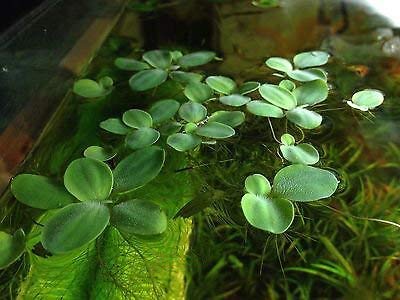
12 Dwarf Water Lettuce, Pistia stratiotes, Live Aquarium/Floating/Aquatic Plant

12+ LEAVES: You will receive plants with a combined total of 12 leaves or more (see 2nd pic for approximate size)

You will recieve 100+ leaves dwarf water lettuce grown in my personal home fish tanks with the utmost care!
Aquarium Trade
You’ll find water lettuce popular in the aquarium trade. Aquarists use it for its aesthetic appeal and its benefits in maintaining water quality. It helps to reduce excess nutrients and offers shade, creating a balanced environment for fish and other aquatic life. Many fish species, including guppies and bettas, benefit from its presence as they find refuge among its floating leaves.
For successful cultivation, choose a well-lit area in your aquarium. The plant prefers warm water temperatures, ideally between 70°F and 85°F. Regularly trim the water lettuce to encourage healthy growth and prevent overcrowding, promoting good water circulation.
Controlling Invasive Species
Water lettuce can become invasive in certain ecosystems, leading to overgrowth that disrupts local habitats. Humans play a vital role in managing these populations. Effective control methods often include introducing natural herbivores, like tilapia and certain snails, that consume excess plants without harming the ecosystem.
Manual removal is another option. When addressing overgrowth, pull the plants out by hand, ensuring you don’t leave fragments that can regrow. Using physical barriers, like screens or nets, can also help restrict its spread in affected areas. Monitoring local waterways regularly allows for early intervention, maintaining a balanced environment.
Understanding these interactions can improve your appreciation for water lettuce and its role in aquatic ecosystems. By participating in responsible practices, you contribute to better ecosystem management.
Conclusion
Water lettuce is more than just a pretty plant floating on the surface. It’s a vital part of aquatic ecosystems that supports various creatures and improves water quality. By understanding what eats water lettuce and how these relationships work, you can appreciate the balance of nature even more.
Whether you’re considering adding it to your aquarium or simply enjoying it in local waters, remember that healthy ecosystems thrive when all elements are in harmony. Your awareness and responsible management can help ensure that this beautiful plant continues to play its important role in supporting aquatic life.
Frequently Asked Questions
Recommended Products
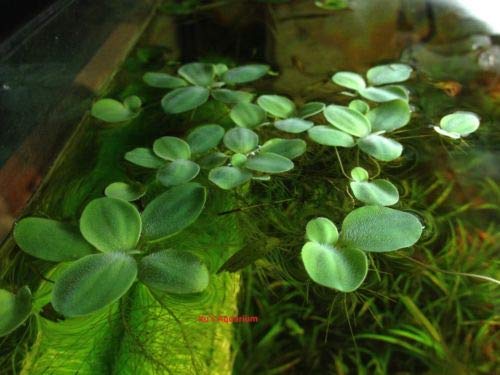


12 DWARF WATER LETTUCE PLANTS Receive 12 Pistia stratiotes plants consisting of single and multiple-leaf clusters. Live floating freshwater plants selected and carefully packed by Awesome Aquatic
What is water lettuce and its scientific name?
Water lettuce, scientifically known as Pistia stratiotes, is a floating aquatic plant that thrives in warm, shallow freshwater environments. It has rosette-shaped leaves that can grow up to 6 inches long and can quickly cover bodies of water.
What role does water lettuce play in an ecosystem?
Water lettuce is crucial for providing shelter and food for various aquatic organisms. It improves water quality by filtering pollutants and reduces algae growth by shading, thereby supporting a balanced ecosystem with diverse wildlife.
What creatures rely on water lettuce?
Numerous aquatic creatures, including manatees, certain fish species, and invertebrates, depend on water lettuce for nutrition and habitat. This plant plays a significant role in maintaining a healthy aquatic environment.
How does water quality affect water lettuce growth?
Water quality is vital for the growth of water lettuce. Healthy conditions promote robust populations, filtering pollutants and enhancing habitat quality, while poor quality can hinder growth and lead to harmful algae blooms.
How can overgrowth of water lettuce be controlled?
Overgrowth can be managed through natural predators like herbivorous fish, snails, and water beetles, which consume the plant. Other methods include manual removal, introducing natural herbivores, and using physical barriers.
Is water lettuce suitable for aquariums?
Yes, water lettuce is popular in the aquarium trade due to its aesthetic appeal and benefits in maintaining water quality. It provides shade and reduces excess nutrients, contributing to a balanced environment for fish.
Can water lettuce become invasive?
Water lettuce has the potential to become invasive, disrupting local habitats. Responsible management practices, such as monitoring populations and controlling growth, are essential to prevent negative ecological impacts.
