

Have you ever stumbled upon a plant and wondered what it is? If you’ve spotted wild lettuce, you might’ve been curious about its unique features. This often-overlooked plant has a fascinating appearance that can easily catch your eye in the wild.
Key Takeaways
- Identification Features: Wild lettuce (Lactuca virosa) is easily recognized by its tall, upright stem (2 to 6 feet), elongated lobed leaves (up to 12 inches) with a fuzzy texture, and clusters of bright yellow flowers resembling dandelions.
- Growth Conditions: This resilient plant thrives in disturbed soil, often found in sunny areas like roadsides, fields, and backyards, and grows actively from spring through fall.
- Medicinal Uses: Wild lettuce has potential health benefits, including acting as a natural sedative, mild pain relief, digestive aid, and possessing anti-inflammatory properties.
- Nutritional Benefits: Rich in essential vitamins (A and C) and antioxidants, wild lettuce contributes to overall health and well-being.
- Gardening Advantages: Its bright flowers attract pollinators, improve soil structure with deep taproots, and support biodiversity in garden settings.
- Caution and Consultation: Always consult with a healthcare provider before using wild lettuce for medicinal purposes and ensure proper identification when foraging to avoid toxic look-alikes.
Overview of Wild Lettuce Plant
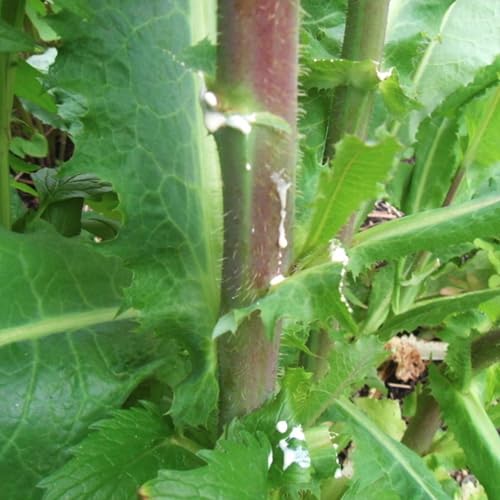
Wild lettuce (Lactuca virosa) features a distinctive appearance that makes it easily identifiable. The plant typically grows between 2 to 6 feet tall and has a tall, upright stem. The leaves are elongated, deeply lobed, and can reach up to 12 inches in length. They display a vibrant green color, often with a slightly fuzzy texture.
Flowers of wild lettuce bloom in clusters atop the stem, appearing from mid-summer to fall. These bright yellow flowers, resembling dandelions, grow on slender stalks and can attract various pollinators. Each flower head contains multiple individual florets.
Roots of wild lettuce are taproots, which extend deep into the ground, providing stability and access to nutrients. The plant typically thrives in disturbed soils, including roadsides, fields, and backyards.
- Height: 2 to 6 feet tall.
- Leaves: Elongated, lobed, up to 12 inches long, fuzzy texture.
- Flowers: Bright yellow, clustered at the top of the stem.
- Roots: Deep taproots, commonly found in disturbed soils.
Identifying wild lettuce plants involves observing these characteristics. When spotted, you’ll notice how they stand out among other vegetation.
Recommended Products
Premium quality heirloom herb seeds package containing 50 Wild Lettuce (Lactuca virosa) seeds, perfect for both beginner and experienced gardeners looking to grow this historic herbal remedy plant.

USDA Zones 5 - 9 Grows Basal Rosette in First Year - Full Plant from Rosette in Second Year

USDA Zones 5 - 9 Grows Basal Rosette in First Year - Full Plant from Rosette in Second Year
Key Characteristics of Wild Lettuce
Wild lettuce, or Lactuca virosa, boasts distinct traits that make it easily recognizable in the wild. Understanding its key characteristics helps you identify this intriguing plant effectively.
Recommended Products

Nervous & Emotional Support – Designed to promote a sense of relaxation as part of a balanced evening routine.

SUPPORTS A HEALTH SLEEP CYCLE:Looking for a natural way to improve your sleep quality? DetoxenNATURE's Wild Lettuce Drops -- 6-in-1 formula can help. Wild Lettuce helps promote calmness and support a restful nighttime sleep; Valerian Root helps promote relaxation and restful sleep; and Sour Jujube Seed helps promote deep sleep. From daily care to deep care, this natural herbal formula gently provides relaxation and sleep support to help you develop a healthy sleep cycle.*

100% Natural organic product: No artificial colors or flavors
Physical Appearance
Wild lettuce typically stands between 2 to 6 feet tall. It features a tall, upright stem that supports its structure, providing a sturdy presence in various environments. The stem is often green and ridged, enhancing its visual appeal. Notably, the plant’s overall shape can resemble a small, bushy shrub, creating a striking silhouette in fields or roadsides.
Leaf Structure
The leaves of wild lettuce are elongated and deeply lobed, growing up to 12 inches in length. You’ll notice their vibrant green color, which contrasts well against the stem. The leaves have a slightly fuzzy texture, a feature that sets them apart from other plants. Their lobed edges also create a jagged appearance, contributing to the plant’s unique look. Observe how leaves grow along the stem, becoming smaller as they ascend, adding to its distinct characteristics.
Flowering Characteristics
From mid-summer to fall, wild lettuce produces bright yellow flowers that bloom in clusters at the top of the stem. These flowers resemble those of dandelions, showcasing a delightful golden hue. Each flower head may contain dozens of florets, attracting various pollinators such as bees and butterflies. The flowering period creates a vibrant display in natural settings, making wild lettuce an attractive plant during its peak seasons.
Habitat and Growth Conditions
Wild lettuce thrives in a variety of environments, showcasing resilience and adaptability. Understanding its preferred habitats and growth conditions helps in identifying this unique plant in the wild.
Recommended Products

4 Popular Heirloom Lettuce Varieties: Includes Red Romaine, Bibb Butterhead, Black Seeded Simpson, and Green Ice lettuce seeds to grow crisp, tender, and colorful salad greens with balanced flavor, texture, and visual appeal.
Healthy Food Source: Because of its tender flavor, lettuce is a popular vegetable for salad, sandwiches, wraps, soups, stir-fries and juice. There are over 20,000 seeds, 10 kinds of lettuce collection, including bibb, boston, iceberg, buttercrunch, grand rapids TBR, oakleaf, ruby leaf, cimmaron romaine and waldmann's

Complete Lettuce Garden Starter Kit Indoor – 5 heirloom salad and green seed packets, 8 biodegradable soil disks, 8 plant markers, and 8 starter pots. Romaine, Spinach, Arugula, Kale and Buttercrunch lettuce heirloom seeds are the star of the set!
Preferred Environments
Wild lettuce often grows in disturbed areas. You can find it along roadsides, in fields, and within backyards. It favors sunny spots with well-drained soil. The plant also tolerates poorer soil conditions, which makes it a frequent sight in urban and rural areas alike. Often, it competes with other weeds in these environments, standing out due to its height and distinctive leaves.
Growth Period
Wild lettuce generally grows during the warmer months. It germinates in the spring, taking advantage of the increased sunlight and warmth. The plant flourishes from spring to fall, reaching full maturity by late summer. Throughout this period, it produces clusters of bright yellow flowers that attract pollinators. With its blooming phase occurring mainly between mid-summer and fall, you can spot wild lettuce in bloom during these times, making it an eye-catching addition to any landscape.
Uses and Benefits of Wild Lettuce
Wild lettuce (Lactuca virosa) offers various uses and potential benefits, often utilized in herbal medicine and gardening.
Medicinal Uses
- Natural Sedative: Wild lettuce contains compounds that may induce relaxation. It can be brewed as a tea to support restful sleep.
- Pain Relief: Some people use wild lettuce as a natural analgesic for mild pain relief. It may help alleviate headaches and other discomforts.
- Digestive Aid: Drinking wild lettuce tea could support digestive health. It may ease bloating and promote regularity.
- Anti-Inflammatory Properties: Wild lettuce may reduce inflammation, providing potential benefits for those with chronic conditions.
Nutritional Benefits
- Vitamins and Minerals: Wild lettuce contains essential vitamins such as A and C, which support immune function and skin health.
- Antioxidants: Antioxidant properties in wild lettuce help combat free radicals, contributing to overall health.
Gardening and Landscaping
- Attracting Pollinators: The bright yellow flowers attract beneficial insects like bees and butterflies, enhancing your garden’s biodiversity.
- Soil Improvement: Deep taproots improve soil structure, making wild lettuce an excellent companion plant.
- Wildlife Habitat: Wild lettuce provides cover and food for various wildlife species, promoting a healthy ecosystem.
- Consult Healthcare Provider: Always talk to a healthcare provider before using wild lettuce for medicinal purposes, especially if you’re pregnant or nursing.
- Informed Harvesting: If you forage for wild lettuce, ensure proper identification to avoid confusion with similar plants that may be toxic.
Wild lettuce presents a variety of uses and benefits, making it an interesting and valuable addition to your herbal remedy toolkit or garden space.
Conclusion
Wild lettuce is more than just an interesting plant to spot in your surroundings. Its striking features and vibrant blooms make it a delightful addition to any garden or natural landscape. Whether you’re drawn to its medicinal properties or simply enjoy its beauty, this resilient plant can thrive in various environments.
Next time you’re out exploring, keep an eye out for its tall stems and bright yellow flowers. You might just find yourself appreciating the wild lettuce for its unique charm and benefits. Happy foraging and gardening!
Frequently Asked Questions
What is wild lettuce (Lactuca virosa)?
Wild lettuce is a plant known for its tall, upright stem and deeply lobed leaves. It can grow between 2 to 6 feet tall and features clusters of bright yellow flowers that bloom from mid-summer to fall. Often found in disturbed areas like roadsides and fields, wild lettuce is attractive to pollinators and has various uses in gardening and herbal medicine.
How can I identify wild lettuce?
You can identify wild lettuce by its tall, ridged stem and elongated lobed leaves, which are up to 12 inches long. The leaves appear fuzzy and have jagged edges. Look for its bright yellow flowers that resemble dandelions, blooming in clusters from mid-summer to fall, marking its peak visibility.
Where does wild lettuce grow?
Wild lettuce thrives in sunny spots with well-drained soil, often found in disturbed sites such as roadsides, fields, and backyards. It can tolerate poorer soil conditions and is commonly seen in both urban and rural areas, making it a resilient and adaptable plant.
What are the medicinal benefits of wild lettuce?
Wild lettuce is believed to have various medicinal properties, including acting as a natural sedative, providing mild pain relief, aiding digestion, and having anti-inflammatory effects. However, it’s essential to consult a healthcare provider before using it for medicinal purposes to ensure safe usage.
When does wild lettuce bloom?
Wild lettuce typically blooms from mid-summer to fall. During this time, it produces vibrant yellow flowers in clusters at the top of its stem, making it easier to spot in the landscape and attracting various pollinators like bees and butterflies.
Is wild lettuce safe to eat?
While wild lettuce has nutritional benefits and contains essential vitamins and antioxidants, proper identification is crucial. Some toxic look-alikes exist, so foraging should be approached with caution. Always consult expert resources or guides before consuming any wild plant.
