

Have you ever wondered how a simple plant like water lettuce can make a difference in your pond or aquarium? This floating green wonder does more than just look pretty. It plays a vital role in keeping water healthy and balanced.
Key Takeaways
- Aesthetic Appeal: Water lettuce enhances the visual beauty of ponds and aquariums with its lush, green foliage, creating a more attractive aquatic environment.
- Nutrient Absorption: This floating plant effectively absorbs excess nutrients, such as nitrogen and phosphorus, helping to improve water quality and preventing harmful algae blooms.
- Oxygen Production: Through photosynthesis, water lettuce significantly contributes to oxygen levels in the water, promoting the health of fish and other aquatic organisms.
- Habitat Provider: Water lettuce creates vital habitats for small fish, invertebrates, and microorganisms, fostering biodiversity and supporting a balanced ecosystem.
- Temperature Regulation: Its dense leaves provide shade, helping to stabilize water temperatures and creating a more suitable environment for aquatic life.
- Easy Propagation: Water lettuce can spread easily, making it a low-maintenance choice for enhancing aquatic environments efficiently.
Overview of Water Lettuce
Water lettuce (Pistia stratiotes) serves multiple functions in aquatic environments. This floating plant features broad, green leaves that resemble loose heads of lettuce.
Recommended Products
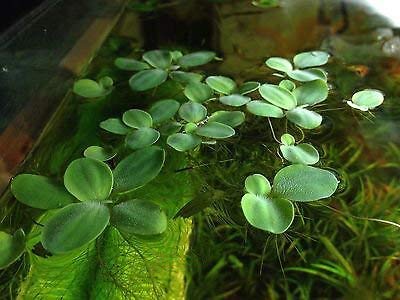
12 Dwarf Water Lettuce, Pistia stratiotes, Live Aquarium/Floating/Aquatic Plant
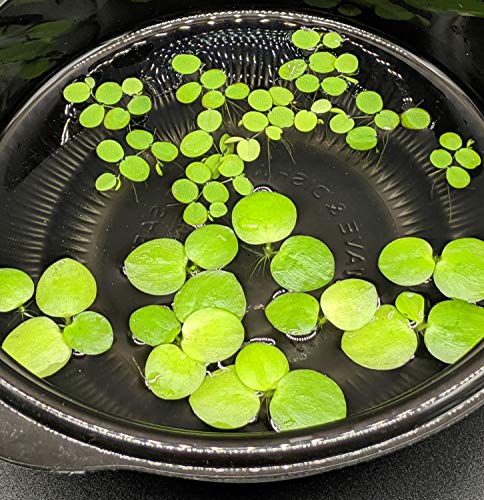
A combo of 6 Mini Amazon Frogbit + 6 Water spangles floating plants.

12+ LEAVES: You will receive plants with a combined total of 12 leaves or more (see 2nd pic for approximate size)
Aesthetic Enhancement
Water lettuce adds beauty to ponds and aquariums. Its lush appearance creates natural beauty, making your water features visually appealing.
Water Quality Improvement
Water lettuce supports water quality by absorbing excess nutrients. This absorption helps prevent algae blooms, ensuring the health of the ecosystem.
Habitat Creation
Water lettuce provides habitat for aquatic life. Small fish and invertebrates find shelter among its leaves, promoting biodiversity in your pond or aquarium.
Oxygen Production
Water lettuce contributes to oxygenation, essential for aquatic organisms. By photosynthesizing, it releases oxygen into the water, improving the overall health of the environment.
Temperature Regulation
Water lettuce acts as a natural shade provider. Its dense foliage can help regulate water temperature, creating a more stable environment for aquatic species.
Plant Propagation
Water lettuce can propagate easily. You can encourage its growth by simply allowing it to spread, creating a dense cover on the water surface.
By incorporating water lettuce into your aquatic environments, you enhance aesthetics, improve water quality, and create a thriving habitat for aquatic life.
Biological Functions of Water Lettuce
Water lettuce (Pistia stratiotes) plays a vital role in aquatic ecosystems. It enhances water quality, supports aquatic life, and contributes to the health of ponds and aquariums.
Nutrient Absorption
Water lettuce absorbs nutrients like nitrogen and phosphorus directly from the water. This process prevents nutrient overload, which can lead to harmful algae blooms. By filtering excess nutrients, water lettuce maintains balanced ecosystems. For instance, in ponds with high nutrient levels, water lettuce can thrive while improving conditions for fish and other aquatic organisms.
Oxygen Production
Water lettuce contributes to oxygen production through photosynthesis. During this process, it takes in carbon dioxide and releases oxygen, benefiting all aquatic life. A single water lettuce plant can produce up to 60 milliliters of oxygen per hour under optimal conditions. This oxygenation supports fish and invertebrate health, promoting a thriving aquatic environment. In heavily stocked aquariums, adding water lettuce can significantly boost oxygen levels, enhancing fish well-being.
Ecological Benefits
Water lettuce provides significant ecological benefits, supporting vibrant aquatic ecosystems. Its various functions contribute to overall water health and habitat stability.
Habitat for Aquatic Life
Water lettuce offers vital habitat for small fish, invertebrates, and microorganisms. The dense foliage provides shelter and breeding grounds, allowing aquatic creatures to thrive. For instance, schooling fish often use these plants for protection from predators. The presence of invertebrates like snails and shrimp creates a balanced environment, enhancing biodiversity within the ecosystem.
Water Quality Improvement
Water lettuce plays a crucial role in improving water quality. It absorbs excess nutrients, specifically nitrogen and phosphorus, from the water. This nutrient absorption prevents harmful algae blooms that can suffocate aquatic life. For example, in ponds with high nutrient loads, introducing water lettuce can significantly reduce algae proliferation. Additionally, the plant releases oxygen during photosynthesis, benefiting other aquatic organisms. Under healthy conditions, one water lettuce plant can produce up to 60 milliliters of oxygen per hour, enhancing the overall health of the water body.
Uses of Water Lettuce
Water lettuce serves various purposes, enhancing both aesthetic appeal and ecological balance in aquatic environments. Here are the main uses of water lettuce.
Recommended Products

LIVE PLANTS: Package includes 4 Extra Large fresh water Lettuce plants with vibrant green leaves and buoyant bulbs for immediate pond use

You get 1 Water Lettuce 3-5" in diameter ready to float on your pond
IMPORTANT: Please note that during times of extreme weather, live plants will suffer due to extreme temperatures. During winter, do not order live plants when temperatures are expected to go below 20F at the lowest point during the day. During summer, avoid ordering plants when temperatures are above 100F.
Ornamental Purposes
You can use water lettuce to beautify ponds and aquariums. The broad, vibrant leaves create a lush, green cover that adds a tropical feel to water features. Placing water lettuce in an aquarium not only enhances its look but also mimics its natural habitat, supporting fish behavior. Additionally, this plant floats gracefully on water surfaces, making it an appealing addition that captivates viewers.
Practical Applications in Aquaculture
Water lettuce plays a crucial role in aquaculture systems. It offers several practical benefits, including:
- Nutrient Filtration: You can introduce water lettuce in fish farming operations to absorb excess nutrients, maintaining optimal water quality. This process helps prevent algal blooms, which can harm aquatic life.
- Habitat Creation: Water lettuce provides shelter for juvenile fish and invertebrates. By creating hiding spots, it increases survival rates and promotes healthy growth.
- Oxygen Production: Through photosynthesis, water lettuce contributes significant oxygen to the water. A single plant can generate up to 60 milliliters of oxygen per hour, supporting the overall health of the aquatic ecosystem.
- Temperature Regulation: The dense foliage of water lettuce protects fish by shading them from direct sunlight. This cooling effect stabilizes water temperature, creating a more suitable environment for aquatic organisms.
Using water lettuce wisely not only enhances your aquatic setup but also contributes to a thriving ecosystem. By tapping into these practical applications, you can improve the health and beauty of your water features.
Conclusion
Water lettuce is more than just a pretty addition to your pond or aquarium. It plays a vital role in maintaining the health of aquatic ecosystems. By absorbing excess nutrients and producing oxygen, it helps create a balanced environment for fish and invertebrates.
Its ability to provide shelter and breeding grounds supports biodiversity, making your aquatic space not only beautiful but also thriving. Whether you’re looking to enhance aesthetics or improve water quality, water lettuce is a fantastic choice. Embrace this versatile plant and watch your aquatic environment flourish!
Frequently Asked Questions
What is water lettuce?
Water lettuce (Pistia stratiotes) is a floating aquatic plant known for its broad, vibrant leaves. It enhances the beauty of ponds and aquariums while playing a crucial role in improving water quality and maintaining aquatic ecosystems.
How does water lettuce improve water quality?
Water lettuce absorbs excess nutrients like nitrogen and phosphorus from the water, preventing harmful algae blooms. This nutrient uptake helps maintain balanced ecosystems, benefiting aquatic life and promoting healthier water environments.
What role does water lettuce play in oxygen production?
Water lettuce contributes to oxygen production through photosynthesis, releasing oxygen that is essential for fish and invertebrates. Under ideal conditions, one plant can produce up to 60 milliliters of oxygen per hour, enhancing aquatic health.
Why is water lettuce important for aquatic ecosystems?
Water lettuce provides vital habitat for small fish, invertebrates, and microorganisms, enhancing biodiversity. Its dense foliage offers shelter and breeding grounds, while its nutrient-absorbing capabilities improve water quality and reduce algae growth.
How does water lettuce affect temperature in water bodies?
The dense foliage of water lettuce helps regulate water temperature, creating a more stable environment for aquatic species. This temperature stabilization supports the health and well-being of various organisms in ponds and aquariums.
Can water lettuce be used for ornamental purposes?
Yes, water lettuce is commonly used as an ornamental plant. Its lush, tropical appearance enhances the aesthetic appeal of ponds and aquariums, creating a natural habitat that supports fish behavior and promotes a serene environment.
How does water lettuce propagate?
Water lettuce propagates easily through runners or offshoots, allowing it to spread quickly across the water surface. This fast growth helps create a lush cover, enhancing both the beauty and ecological value of aquatic environments.
What are the practical applications of water lettuce in aquaculture?
In aquaculture, water lettuce filters nutrients, provides habitat for juvenile fish and invertebrates, produces oxygen, and helps regulate water temperature. Its multifunctional benefits contribute to the health and productivity of aquatic systems.
