

Have you ever pulled a head of romaine lettuce from your garden only to find it tall and spindly instead of crisp and leafy? That’s what happens when romaine bolts. Bolting is a natural response to stress, often triggered by heat or age, and it transforms your once-perfect lettuce into something quite different.
Key Takeaways
- Bolting Defined: Bolted romaine lettuce grows tall and spindly, often due to heat or stress, transforming from a desirable leafy plant to a less appealing structure.
- Identification Features: Look for distinct signs including increased height (2-3 feet), sparse leaves at the base, and the appearance of elongated flower stalks.
- Color Changes: Bolted romaine may shift from bright green to yellow or brown, indicating stress and nutrient imbalance.
- Taste Transformation: The flavor of bolted romaine becomes bitter, contrasting sharply with the mild sweetness of healthy romaine.
- Preventive Measures: To avoid bolting, provide shade during high temperatures and maintain consistent watering to reduce plant stress.
- Genetic Factors: Certain romaine varieties are more prone to bolting; selecting bolt-resistant cultivars can enhance your gardening success.
Understanding Bolted Romaine Lettuce
Bolted romaine lettuce presents distinct characteristics. When lettuce bolts, it grows tall and produces elongated flower stalks. This typically happens when the plant matures, especially under stress conditions like heat or overcrowding.
You can identify bolted romaine by observing its structure. Look for leaves that are small and sparse at the base, while the upper part becomes thick and stem-like. The once crisp, leafy appearance transitions into spindly growth. Leaves may even develop a bitter taste due to this change.
Key Features of Bolted Romaine Lettuce
- Height: Bolted romaine can reach heights of 2-3 feet, contrasting sharply with its usual height of 6-12 inches.
- Flower Stalks: You’ll notice delicate yellow flowers appearing at the top. These emerge as the plant’s energy shifts from leaf production to reproduction.
- Leaf Texture: Leaves become tougher and may turn yellow or cyan, indicating stress or aging.
Comparison With Healthy Romaine Lettuce
| Feature | Healthy Romaine | Bolted Romaine |
|---|---|---|
| Height | 6-12 inches | 2-3 feet |
| Leaf Texture | Crisp, tender leaves | Tough, spindly leaves |
| Color | Bright green | Yellow or brown |
| Taste | Mild and sweet | Bitter |
What To Do If Your Romaine Bolts
If you notice your romaine is bolting, consider these steps:
- Harvest Early: If the plant shows signs of bolting, harvest it immediately. You can still use the small leaves for salads or sandwiches.
- Provide Shade: Install shade cloth during peak heat to reduce stress on the plant.
- Adjust Watering: Ensure consistent moisture to keep stress levels low. Over- or under-watering can trigger bolting.
Understanding bolted romaine lettuce helps you make informed decisions about your garden and harvest. By recognizing these features and taking preventive measures, you can maintain a healthier lettuce crop.
Characteristics of Bolted Romaine Lettuce
Bolted romaine lettuce displays several distinct characteristics that differentiate it from healthy plants. Understanding these traits helps you identify bolting and take appropriate action.
Recommended Products

Selected and stored fresh

4 Popular Heirloom Lettuce Varieties: Includes Red Romaine, Bibb Butterhead, Black Seeded Simpson, and Green Ice lettuce seeds to grow crisp, tender, and colorful salad greens with balanced flavor, texture, and visual appeal.

7 Variety Salad Collection: Elevate your salad game with our gourmet mix! This collection includes 7 distinct varieties—Romaine, Buttercrunch, Iceberg, Oak Leaf, Bibb, Lollo, and Black-Seeded Simpson. Whether you crave the satisfying crunch of Iceberg or the tender, buttery texture of Butter Crunch and Bibb, this variety pack ensures a sophisticated, salad right in your own backyard.
Changes in Color
Bolted romaine exhibits noticeable color changes. The leaves often shift from vibrant green to yellow or even cyan hues. This alteration indicates stress and nutrient imbalance. Observing these color changes early can alert you to potential bolting before it becomes more pronounced.
Leaf Structure Alterations
Leaf structure in bolted romaine undergoes significant transformations. Instead of remaining crisp and densely packed, the leaves become tougher and less palatable. Leaves may shrink in size and become sparse, mainly located at the base of the plant. Meanwhile, a thick, stem-like growth develops upwards, culminating in elongated flower stalks. This transition results in an overall less appealing appearance and texture. Recognizing these modifications aids in making timely decisions about harvest and care.
Causes of Bolting in Romaine Lettuce
Bolting in romaine lettuce occurs due to various factors that trigger the plant’s natural reproductive phase. Key causes include environmental conditions and genetic traits. Understanding these underlying factors enhances your ability to manage bolting effectively.
Recommended Products

HIGH GERMINATION RATE FOR RELIABLE GROWTH - Our Parris Island Romaine Lettuce Seeds boast an impressive germination rate. High quality and rapid sprouting heirloom lettuce seeds ensuring a bountiful harvest for your vegetable garden.

🥬 Heat-Tolerant Upright Romaine: Jericho Romaine Lettuce (Lactuca sativa) forms tall, sturdy heads with crisp ribs and tender, mildly sweet leaves. Known for its strong heat tolerance compared to many romaine varieties, it grows 18–24 inches tall and delivers reliable harvests in extended spring and early summer conditions.
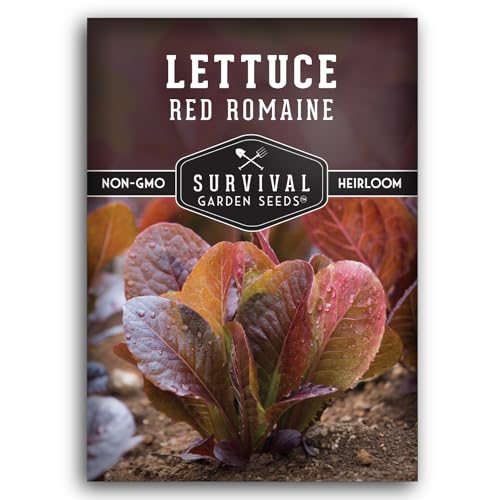
RED ROMAINE SEEDS FOR PLANTING – Striking lettuce has burgundy-to-ruby red leaves with crisp green hearts create a bold contrast in the garden and add vibrant color and flavor to Caesar salad and other dishes
Environmental Factors
High temperatures play a significant role in accelerating the bolting process. When daytime temperatures exceed 75°F, romaine lettuce can become stressed, leading to premature flowering. Additionally, extended sunlight can contribute to this phenomenon. If your lettuce experiences long days with more than 14 hours of light, bolting is more likely. Water stress also impacts romaine; inconsistent watering practices can elevate stress levels, prompting the plant to bolt.
To mitigate these environmental issues, consider providing partial shade during the hottest parts of the day and ensuring regular, consistent watering to keep your plants hydrated.
Genetic Predisposition
Certain romaine lettuce varieties possess genetic traits that make them more susceptible to bolting. Some cultivars naturally bolt sooner than others, regardless of environmental conditions. For example, heirloom varieties might show more resilience to bolting under the same stress.
Selecting bolt-resistant varieties can be advantageous if you’re gardening in a climate prone to high temperatures. Research and choose cultivars known for longevity or delayed flowering—this proactive approach reduces the risk of bolting, helping you enjoy crisp, leafy harvests.
How to Identify Bolted Romaine Lettuce
Identifying bolted romaine lettuce involves observing specific changes in its appearance and texture.
Recommended Products
HIGH GERMINATION RATE FOR RELIABLE GROWTH - Our Parris Island Romaine Lettuce Seeds boast an impressive germination rate. High quality and rapid sprouting heirloom lettuce seeds ensuring a bountiful harvest for your vegetable garden.

Looking for heirloom non-GMO seeds for your garden? Here they are!
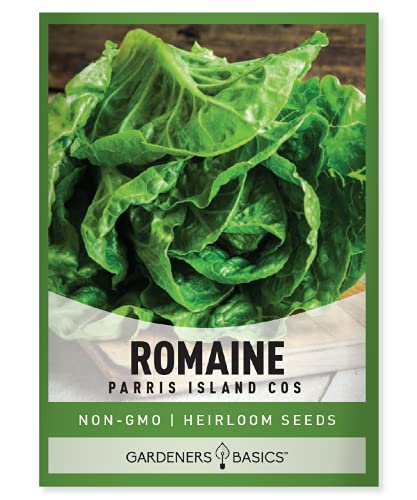
Grow crisp Parris Island Cos romaine with upright green leaves, sturdy ribs, and a mild flavor. A classic choice for salads, lettuce wraps, sandwiches, and fresh harvests from your own garden.
Visual Cues
Bolted romaine lettuce exhibits several clear visual changes. You’ll notice a significant height increase, reaching 2-3 feet instead of the usual 6-12 inches. The leaves become sparse, primarily at the base, and this area may appear yellow or cyan. The plant also produces elongated flower stalks topped with delicate yellow flowers. These flowers typically emerge when the plant experiences stress, indicating that it’s transitioning to its reproductive phase. If you see these characteristics, it’s a strong sign that bolting has occurred.
Texture Changes
Texture plays a crucial role in identifying bolted romaine. The leaves become tougher and less palatable. When you touch the leaves, you might find them dry and brittle rather than crisp and vibrant. Additionally, older leaves often take on a more fibrous consistency, detracting from the enjoyable crunch of healthy romaine. If the taste turns bitter, it confirms the likelihood of bolting. Always check for these texture alterations, as they provide key indicators of the plant’s condition.
Conclusion
Recognizing bolted romaine lettuce can save you from a disappointing harvest. By paying attention to its height and changes in leaf texture and color you can make timely decisions about your plants.
When you spot those tall flower stalks and tougher, sparse leaves it’s a clear sign that your romaine is in distress. Implementing strategies like providing shade and consistent watering can help keep your lettuce healthy and crisp.
Choosing the right variety can also make a difference in your garden. With a little care and observation you can enjoy delicious romaine without the bitterness that comes with bolting. Happy gardening!
Frequently Asked Questions
What causes romaine lettuce to bolt?
Bolting in romaine lettuce is primarily caused by heat stress, age, and environmental factors. When daytime temperatures exceed 75°F and the plant receives more than 14 hours of sunlight, it triggers the natural reproductive phase, leading to spindly growth and the formation of flower stalks.
How can I identify bolted romaine lettuce?
Bolted romaine can be identified by its significant height (2-3 feet), thick stem-like upper part, and small, sparse leaves at the base. The leaves may turn yellow or cyan, and the texture changes to tough and bitter.
What are the signs of healthy romaine lettuce?
Healthy romaine lettuce features crisp, bright green leaves that have a mild and sweet flavor. The plant typically grows to 6-12 inches in height, maintaining a compact and leafy appearance.
How can I prevent my romaine lettuce from bolting?
To prevent bolting, gardeners should harvest early if they see any signs, provide shade during hot weather, and ensure consistent watering. These practices help reduce stress on the plants and promote healthier growth.
Are some romaine lettuce varieties more prone to bolting?
Yes, certain romaine varieties are genetically predisposed to bolting. Heirloom varieties may be more resilient under stress, while selecting bolt-resistant cultivars can help mitigate the risk of bolting, ensuring a crisper harvest.
