

Ever found yourself staring at a carrot plant, wondering what on earth it actually looks like? You’re not alone. The image of a carrot might be crystal clear in your mind, but the plant itself? Not so much. Picture this: you’re in your garden, surrounded by leafy greens, and there it is – the mysterious carrot plant. What does it look like? How can you identify it among the other veggies?
The Carrot Plant: Appearance and Characteristics
When observing a carrot plant, you’ll notice distinct features that set it apart from other plants in the garden. Here’s a closer look at the appearance and characteristics of a typical carrot plant:
- Height: Carrot plants are relatively small in stature, reaching a height of about 1 to 2 feet when fully grown.
- Leaves: The feathery green foliage of a carrot plant consists of thin, delicate leaves that resemble parsley or dill.
- Stems: Carrot plant stems are slender and can have a slightly reddish or purple hue near the top.
- Flowers: In its second year of growth, a carrot plant will produce small, white flowers arranged in an umbrella-shaped cluster.
- Root: Of course, the most distinctive feature of a carrot plant is its underground taproot.
Next time you’re in the garden, look for these key characteristics to help you identify the elusive carrot plant among its green companions.
Recommended Products

Sweet, Coreless Roots: Heirloom carrots with tender 9-10 inches orange taproots and high sugar content. Grow in 3-10 USDA zones. Great carrots seeds for planting in any home garden.

Unique Shape and Size: Paris Market Carrots are small, round carrots, typically 1-2 inches in diameter, resembling radishes, making them distinct from the long, tapered varieties commonly seen.

High Germination Rate – Each packet contains 1200 premium heirloom rainbow carrot seeds carefully tested for high germination rates. Whether you‘re a beginner or an experienced gardener, you’ll enjoy a consistent and bountiful harvest.
Identifying Features of a Carrot Plant
When locating a carrot plant in your garden, keep an eye out for its distinctive features that set it apart from other plants. Here’s what to look for:
- Foliage: Feathery foliage resembling fern leaves that grow in a rosette pattern close to the ground.
- Stems: Thin, slender stems that rise elegantly from the center of the plant.
- Flowers: Umbels of delicate white flowers that appear atop tall, wiry stems as the plant matures.
- Root: The real treasure lies beneath the surface – a long, slender taproot that’s the ultimate prize of a healthy carrot plant.
Spotting these key features will guide you to the prized vegetable hiding in your garden.
Growth Stages of a Carrot Plant
When growing carrots, it’s beneficial to understand the various growth stages your plant will go through. Here’s a breakdown to help you along:
- Seed Germination: Carrot seeds typically take 1 to 3 weeks to germinate. Keep the soil consistently moist for successful sprouting.
- Seedling Stage: This early stage involves the growth of seed leaves and the development of true leaves.
- Vegetative Stage: During this phase, the carrot plant focuses on leaf and stem development to support root growth.
- Root Development: As the plant matures, it directs energy toward taproot growth, which is the edible part of the plant.
- Maturation: Carrots are ready for harvest when they reach the desired size, usually 60-75 days after planting.
Understanding these growth stages will help you care for your carrot plants effectively and ensure a bountiful harvest.
Common Varieties of Carrot Plants
When choosing carrot varieties for your garden, consider these popular options:
- Nantes: Known for their sweet flavor and cylindrical shape, ideal for container gardening.
- Chantenay: Shorter and wider, great for heavy or clay soils.
- Danvers: Classic variety, hearty and resistant, perfect for storage.
- Imperator: Long and slender, preferred for fresh eating.
Different carrot varieties offer unique characteristics suited to various growing conditions and tastes. Explore these options to find the best fit for your garden and preferences.
Recommended Products
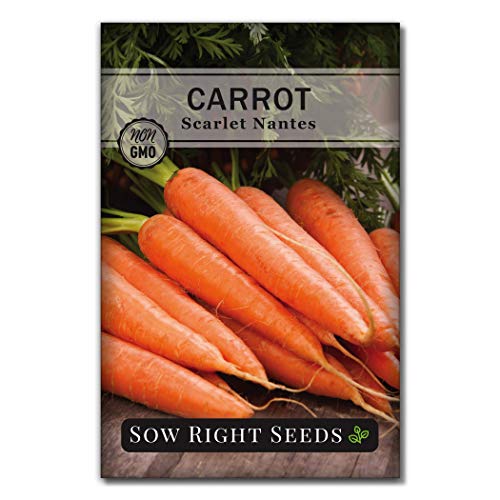
Beautiful - Full color packet of Scarlet Nantes Carrot (Daucus var. 'Scarlet Nantes') Seed. Bright red-orange, fine-grained brittle flesh that is nearly coreless with a fine very sweet flavor. Colors up early for little mini baby carrots. Minimum of 800 mg per packet (about 450 seeds).

Trusted Quality - We provide premium Scarlet Nantes carrot seeds - an open-pollinated heirloom variety with high germination rates. Each seed is rigorously tested to ensure reliable sprouting, allowing you to cultivate a healthy, rewarding carrot harvest season after season.

Carrot seeds garden seeds vegetable seeds bulk
Observing and Cultivating Carrot Plants
When observing carrot plants, keep an eye on the following characteristics:
- Feathery leaves that resemble parsley
- Thick taproot that emerges from the soil
- White or greenish flowers that appear in the second year, if the plant bolts
- Variety-specific features like color, shape, length, and tops
To cultivate healthy carrot plants in your garden, consider these tips:
- Choose a sunny spot with well-draining soil
- Loosen the soil thoroughly before planting to ensure good root growth
- Water consistently to prevent the soil from drying out
- Thin out seedlings to avoid overcrowding and encourage proper development
| Words | Letters | Syllables |
|---|---|---|
| Observing | 9 | 4 |
| Cultivating | 11 | 4 |
Recommended Products

NUTRIENT-RICH, NATURAL, AND ORGANIC SOIL: Grow a bountiful garden in your home with the Back to the Roots All-Purpose Natural and Organic Peat-Free 3-in-1 Seed Starting Mix, packed with the nutrients needed for your plants, flowers, and vegetables to thrive
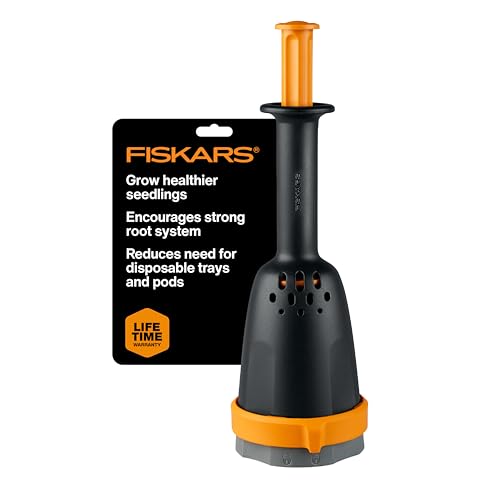
Fiskars Soil Block Maker helps you grow healthier seedlings by encouraging stronger root systems through natural air pruning

Ready to Use - Seed starter mix eliminates the need for complex soil preparation, making it a time-saving and effortless option
Conclusion
Now that you’re familiar with the growth stages and characteristics of a carrot plant, as well as some tips for cultivating them, you’re well-equipped to start your own carrot garden. Remember to keep an eye out for those feathery leaves and thick taproots, and provide your plants with the care they need to thrive. By choosing a sunny spot, preparing the soil properly, and giving your seedlings room to grow, you’ll be on your way to a bountiful carrot harvest in no time. Happy gardening!
Frequently Asked Questions
What are some key characteristics to look for when observing carrot plants?
When observing carrot plants, look for feathery leaves, thick taproots, and variety-specific features like color, shape, and size.
What are some tips for cultivating healthy carrot plants?
To cultivate healthy carrot plants, choose a sunny spot, loosen soil before planting, water consistently, and thin out seedlings for proper development.
