

Have you ever wondered what it takes to grow juicy, ripe tomatoes in your own backyard? Picture this: you eagerly plant your tomato seeds or seedlings, dreaming of a bountiful harvest, only to be met with disappointing results. You’re not alone in facing the challenges of nurturing these vibrant red fruits.
Key Takeaways
- Choose the right tomato variety: Select varieties that are suitable for your local climate and resistant to common diseases.
- Provide essential growing conditions: Ensure tomatoes receive adequate sunlight, proper watering, and nutrient-rich soil for optimal growth.
- Planting and initial care: Timing is crucial for planting tomatoes after the last frost date, using techniques that promote healthy growth.
- Maintenance and care: Regular watering, fertilization, pest control, and disease management are key to nurturing healthy tomato plants.
- Harvesting and storing tomatoes: Harvest ripe tomatoes based on color and texture, store at room temperature, avoid refrigeration except for overripe ones, store stem side down separately by variety.
Choosing the Right Variety for Your Climate
When it comes to growing tomatoes, selecting the appropriate variety that thrives in your local climate is crucial. Here’s how you can make an informed choice:
Consider Local Weather Conditions
Before picking a tomato variety to grow, take into account your area’s weather patterns. Different types of tomatoes require specific conditions to flourish. For instance, if you live in a hot and humid climate, opt for heat-tolerant varieties like Sun Gold or Solar Fire. Conversely, if you’re in a cooler region, consider cold-resistant options such as Glacier or Stupice.
Choose Resistant Tomato Varieties
To ensure successful tomato cultivation, look for varieties that are resistant to common diseases prevalent in your area. Resistant tomatoes are less susceptible to infections like blight or wilt, safeguarding your plants against potential devastation. Examples of disease-resistant cultivars include Mountain Merit, Iron Lady, and Jasper.
Essential Growing Conditions for Tomatoes
When cultivating tomatoes, ensuring they have the right growing conditions is crucial for a successful harvest. Here are the key factors you need to focus on:
Recommended Products
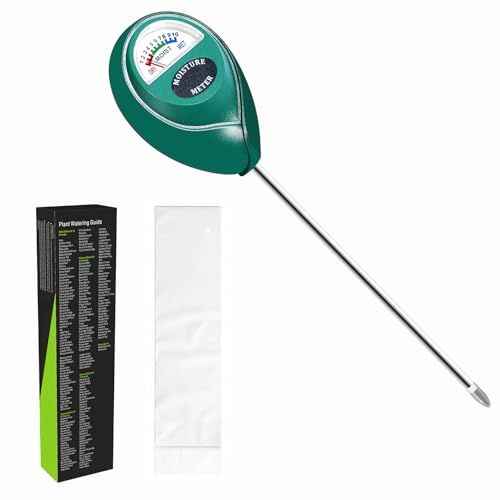
Trusted Since 2015: Become one of the many plant lovers who rely on the proven accuracy of XLUX. Established in 2015, our soil moisture meter has earned over 60,000+ verified ratings for its consistent performance. While many many newer brands come and go, we provide the long-term reliability and quality that American households have trusted for over a decade.

Accurate Soil Moisture Detection: The XLUX Soil Moisture Meter can tell you if the soil deep inside your pot or garden is dry, moist or wet; whereas your eyes and fingers can only determine the moisture level of the soil surface. The probe is 5.5 inches (14 cm) longer than regular styles, allowing it to measure the soil moisture at the bottom of larger and deeper flower pots.

【SAVE YOUR PLANTS】: Over watering can cause problems with your plants or even kill them. This soil moisture meter helps you know the soil is dry, moist or wet.No more over watering!
Sunlight and Temperature
Tomatoes thrive in sunlight; they need at least 6-8 hours of direct sunlight daily. In cooler climates, choose a sunny spot with maximum exposure to light throughout the day. Consistent temperatures between 65-85°F (18-29°C) promote optimal growth. Avoid planting them in areas prone to strong winds or frost pockets.
Water Requirements
Proper watering is essential for tomato plants. They require about 1-1.5 inches (2.5-3.8 cm) of water per week, either from rainfall or irrigation. Ensure the soil is consistently moist but not waterlogged to prevent root rot. Mulching around the plants helps retain moisture and reduce evaporation.
Soil Quality and Nutrients
Tomatoes prefer well-draining soil rich in organic matter like compost or aged manure. A slightly acidic pH level between 6.0-6.8 is ideal for nutrient absorption. Prioritize soil testing to determine any deficiencies and adjust fertilizer application accordingly during different growth stages. Consider using balanced fertilizers like a 10-10-10 mix for healthy plant development.
By providing adequate sunlight, proper watering, and nutrient-rich soil, you can create an optimal environment for your tomato plants to flourish and yield bountiful crops.
Planting and Initial Care
When it comes to planting tomatoes, timing is crucial for their successful growth. You should plant your tomatoes after the last frost date in your area when the soil has warmed up adequately. This timing ensures that the plants have optimal conditions to thrive.
To plant your tomatoes effectively, consider using techniques that promote healthy growth. Start by preparing the soil well by loosening it to a depth of about 12 inches and adding compost or organic matter to improve its quality. When planting, ensure you bury the tomato seedlings deep in the soil, up to their first set of leaves. This encourages strong root development and stability for the plants as they grow.
By following these timing and planting techniques, you set a solid foundation for your tomato plants’ growth and increase their chances of producing a bountiful harvest.
Maintenance and Care of Tomato Plants
To ensure your tomato plants thrive, proper maintenance and care are essential. Here’s how you can take care of your tomato plants effectively:
Regular Watering and Fertilization
Watering your tomato plants regularly is crucial for their growth. Tomatoes need consistent moisture to develop properly. It’s recommended to water them deeply once a week, ensuring the soil is evenly moist but not waterlogged. Additionally, fertilizing your tomato plants with a balanced fertilizer rich in nitrogen, phosphorus, and potassium can promote healthy foliage growth and robust fruit development.
Pest Control and Disease Management
Pests and diseases can pose significant threats to tomato plants if left unchecked. To control pests like aphids or hornworms, you can use natural remedies such as neem oil or introduce beneficial insects like ladybugs that prey on harmful pests. Implementing good garden hygiene practices by removing debris and weeds can also help prevent disease outbreaks. Consider using fungicides or organic sprays to manage common tomato diseases like blight or powdery mildew effectively.
By following these tips for watering, fertilizing, pest control, and disease management, you’ll be well-equipped to nurture healthy tomato plants that yield a bountiful harvest.
Harvesting and Storing Tomatoes
When to Harvest Tomatoes
Harvest your tomatoes when they reach full maturity. You’ll know they are ready by their color – ripe tomatoes usually have vibrant hues. Additionally, gently squeeze the tomato; it should give slightly under pressure but not be too soft.
Tips for Storing Tomatoes
- Room Temperature: Store fully ripe tomatoes at room temperature to maintain their flavor and texture.
- Avoid Refrigeration: Refrigeration can affect the taste and texture of tomatoes, so only refrigerate them if they are overly ripe or cut.
- Stem Side Down: When storing tomatoes, keep them stem side down to prevent moisture loss and extend shelf life.
- Separate Varieties: Store different tomato varieties separately as some may ripen faster than others.
- Check Regularly: Check stored tomatoes regularly for any signs of spoilage and use them promptly.
Conclusion
Growing tomatoes successfully requires attention to detail and providing the right conditions for your plants. By selecting suitable tomato varieties based on your climate, ensuring they receive enough sunlight, water, and nutrients, you set the foundation for a thriving garden. Remember to maintain regular care by watering consistently, fertilizing appropriately, and monitoring for pests and diseases. Harvest your tomatoes at peak ripeness and store them correctly to enjoy the fruits of your labor. Following these steps will lead to healthy tomato plants and a bountiful harvest in your garden.
Frequently Asked Questions
What are the key factors to consider when selecting tomato varieties for growing?
Choose heat-tolerant options for hot climates and cold-resistant varieties for cooler regions. Opt for disease-resistant cultivars.
What are the essential growing conditions required for healthy tomato plants?
Ensure adequate sunlight, optimal temperatures, proper watering, rich organic soil, and a balanced nutrient profile.
What techniques can be used to promote successful tomato growth?
Employ deep planting methods and prepare the soil with compost before planting tomatoes.
How should tomato plants be maintained throughout the growing season?
Regularly water plants, fertilize with a balanced fertilizer, control pests naturally or with beneficial insects, and manage diseases through good garden hygiene practices.
What are some tips for harvesting and storing tomatoes?
Harvest fully mature tomatoes based on color and texture. Store at room temperature stem side down, separate varieties, avoid refrigeration except for overripe ones, and check regularly for spoilage.
