

Have you ever wondered what to plant alongside your lettuce to maximize your garden’s potential? You’re not alone! Many gardeners face the challenge of making the most out of their limited space while ensuring their plants thrive.
Growing lettuce is a fantastic start, but pairing it with the right companions can boost your harvest and improve flavors. This article will explore the best plants to grow with lettuce, helping you create a vibrant, productive garden. You’ll discover how these combinations can enhance growth and even deter pests, making your gardening experience more enjoyable and rewarding.
Key Takeaways
- Companion Planting Benefits: Pairing lettuce with companion plants enhances growth, improves flavors, and helps deter pests, creating a productive garden environment.
- Ideal Companion Plants: Great options for growing alongside lettuce include herbs like basil and chives, and vegetables like radishes, carrots, and beets, which can optimize space and nutrient sharing.
- Soil and Watering Needs: Healthy lettuce growth requires well-draining soil rich in organic matter, consistent moisture, and 4-6 hours of sunlight, ideally with afternoon shade in hot climates.
- Common Pests and Solutions: Key pests affecting lettuce include aphids, cutworms, slugs, and leaf miners; effective management strategies include introducing beneficial insects and using physical barriers.
- Disease Management: To prevent lettuce diseases like downy mildew and powdery mildew, ensure good air circulation, avoid overwatering, and practice crop rotation to minimize risks.
Understanding Companion Planting
Companion planting maximizes your garden’s potential by pairing lettuce with beneficial plants. This practice boosts yields and supports healthy growth.
Benefits of Growing Lettuce
Growing lettuce offers numerous benefits, especially when combined with specific companion plants.
- Improved Growth: Lettuce thrives when planted near plants like radishes and carrots, which can improve soil aeration and nutrient availability.
- Pest Deterrence: Certain companions, such as marigolds, repel harmful insects that might otherwise target lettuce.
- Flavor Enhancement: Basil can enhance the flavor profile of lettuce. The aromatic compounds from basil can also mask the scent of lettuce, making it less appealing to pests.
- Efficient Space Use: Combining fast-growing lettuce with slower-growing plants optimizes space. For example, planting lettuce between tomato plants gives lettuce room to grow while utilizing vertical space.
What is Companion Planting?
Companion planting is a horticultural technique that pairs plants with complementary characteristics.
- Symbiotic Relationships: Plants like onions can deter aphids, benefiting vulnerable crops like lettuce.
- Nutrient Sharing: Some plants improve the soil for others by fixing nitrogen. For instance, legumes, when planted alongside lettuce, can enrich the soil.
- Microclimate Creation: Taller plants provide some shade for lettuce, which can prevent wilting in hot weather.
- Disease Prevention: Certain companion plants can reduce the risk of disease by creating a more balanced ecosystem.
Incorporating companion planting strategies into your garden cultivates a harmonious environment for growing lettuce and other plants effectively.
Popular Companion Plants with Lettuce
Pairing lettuce with the right companion plants can enhance growth and flavor while deterring pests. Here are some great options to consider.
Recommended Products

WHAT'S INCLUDED: 5 separate seed packets - Slow Bolt Cilantro (about 360 seeds), Italian Basil (about 650), Italian Parsley (about 1,250), Common Chives (about 450) and Italian Oregano (about 4,000). Roughly 6,700 seeds in all.

HERBS CULINARY SEED VARIETY PACK: Spice up your kitchen with 10 must-have culinary herbs! From classic Basil and Cilantro to fragrant Lavender and savory Thyme, this pack has everything for cooking, garnishing, and creating fresh flavors.

WINDOW SILL COLLECTION: This pack features a selection of compact and versatile herbs and greens, perfect for growing indoors or in small spaces. Ideal for gardeners seeking fresh, flavorful ingredients year-round, this collection thrives on a sunny windowsill.
Herbs That Pair Well with Lettuce
- Basil – This herb not only enriches the flavor of salads but also repels pests like aphids and spider mites.
- Chives – Chives improve the growth of lettuce and deter harmful pests with their strong scent.
- Cilantro – Cilantro attracts beneficial insects that help keep pests away from your lettuce.
- Mint – Mint can help deter pests while adding a fresh flavor to dishes. Keep mint in check, as it can be invasive.
- Radishes – Radishes grow quickly and can occupy space while lettuce matures. Their fast growth helps suppress weeds.
- Carrots – Carrots benefit from the shade provided by lettuce, which can keep their roots cool during warmer months.
- Beets – Beets share nutrients with lettuce, making them excellent companions and maximizing garden space.
- Onions – Onions deter pests with their scent and can be grown alongside lettuce without competing for resources.
These companion plants create a diverse garden environment that boosts your lettuce’s potential.
Tips for Successful Growth
Successful lettuce growth relies on several key factors. Implementing the following tips enhances your garden’s productivity and plant health.
Recommended Products

Kindly NOTE: This soil tester can not be applied to test pH value of any other liquid. If the soil is too dry the indicator will not move, and water it before testing.
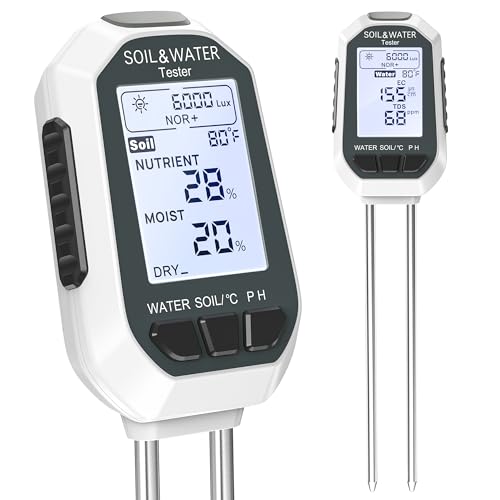
【7-in-1 Features】This is a 7-in-1 multi-function soil tester. Our soil tester quickly measures soil moisture, pH, temperature and light intensity, and its fertility function helps you take better care of your plants. With this device you can measure the soil moisture, pH, temperature and light intensity for your plants and with the EC and TDS functions you will know when it is time to water the soil.

Accurate Soil Moisture Detection: The XLUX Soil Moisture Meter can tell you if the soil deep inside your pot or garden is dry, moist or wet; whereas your eyes and fingers can only determine the moisture level of the soil surface. The probe is 5.5 inches (14 cm) longer than regular styles, allowing it to measure the soil moisture at the bottom of larger and deeper flower pots.
Soil and Nutrient Requirements
Soil quality directly affects lettuce growth. Aim for well-draining soil rich in organic matter. A pH level between 6.0 and 7.0 is ideal.
- Add Compost: Mixing in compost boosts nutrient levels and improves soil structure. Aim for a 2-4 inch layer.
- Use a Balanced Fertilizer: Apply a balanced fertilizer, such as a 10-10-10 mix, before planting. It ensures that your lettuce gets adequate nutrients.
- Monitor Soil Moisture: Keep soil consistently moist but not waterlogged. Lettuce roots thrive in damp conditions.
Watering and Sunlight Needs
Proper watering and sunlight are crucial for healthy lettuce growth.
- Water Regularly: Water lettuce deeply once a week, providing around 1 inch of water. Monitor humidity levels and adjust as necessary during hot seasons.
- Provide Adequate Sunlight: Lettuce prefers partial sunlight, ideally 4-6 hours of direct sun per day. In hotter climates, consider providing afternoon shade to prevent bolting.
- Mulch: Use a layer of mulch around your lettuce plants. This helps retain moisture and regulate soil temperature.
By following these tips, you create a thriving environment for lettuce and its companion plants.
Potential Issues and Solutions
Lettuce can face several challenges during cultivation. Understanding these issues helps ensure a successful harvest.
Recommended Products

READY-TO-USE CONTACT SPRAY: No mixing required. Thoroughly spray insecticide on all plant parts, including the underside of leaves. Pests must be sprayed directly to achieve control
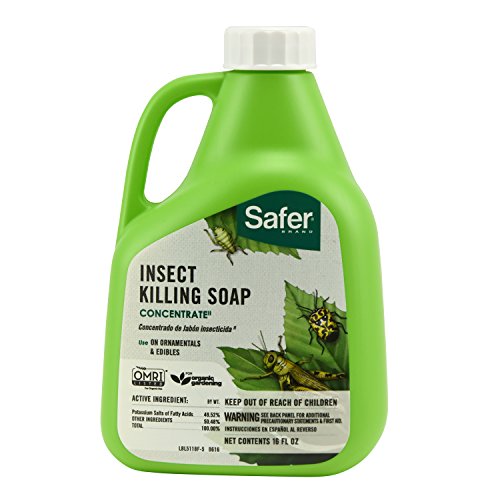
GENTLE ON MOST PLANTS - This aphid spray is ideal for use on flowers, herbs, vegetables, houseplants, lawn, tree, shrubs, and more

CROP, GARDEN & HOUSEPLANT INSECT CONTROL. Trifecta Crop Control all-natural, plant-based formula effectively combats destructive spider mites, aphids, whiteflies, fungus gnats, and other soft-bodied pests on indoor and outdoor plants. Our biodegradable, eco-friendly solution is safe for use on edible crops, without chemical residues. Our gentle yet potent plant spray suffocates and dehydrates pests without harming beneficial insects or the environment, making it ideal for organic gardening.
Pests that Affect Lettuce
Common pests can threaten your lettuce crop.
- Aphids: Small insects that suck sap from the leaves, causing wilting. To control them, introduce ladybugs or use insecticidal soap.
- Cutworms: The larvae of moths that snip young plants at soil level. Surround seedlings with barriers like cardboard or use diatomaceous earth to deter them.
- Slugs and Snails: These pests create holes in the leaves. Set out beer traps or sprinkle salt around plants to manage their presence.
- Leaf Miners: Larvae that tunnel through leaves, compromising the plant’s health. Remove affected leaves immediately to prevent further damage.
How to Manage Plant Diseases
Keeping lettuce healthy requires vigilance against various diseases.
- Downy Mildew: A fungal disease causing yellow spots on leaves. Ensure good air circulation and avoid overhead watering. Apply fungicides if outbreaks occur.
- Powdery Mildew: White flour-like spots appear on leaves due to high humidity. Choose resistant varieties and maintain proper spacing between plants.
- Damping Off: This soil-borne fungus causes seedlings to collapse. Use sterile potting soil and avoid overcrowding to minimize risk.
- Bacterial Leaf Spot: Dark spots on leaves can signify this disease. Rotate crops yearly and ensure tools are sanitized to prevent spread.
By proactively addressing these pests and diseases, you boost your chances of a successful lettuce crop and a flourishing garden overall.
Conclusion
Growing lettuce opens up a world of possibilities in your garden. By choosing the right companion plants you not only enhance the flavor of your salads but also create a healthier growing environment. With a little planning and care you can maximize your space and enjoy a bountiful harvest.
Remember to pay attention to soil quality and watering needs while keeping an eye out for pests and diseases. Embracing companion planting will lead to a thriving garden where your lettuce and its partners can flourish together. So go ahead and experiment with different combinations—your taste buds and garden will thank you!
Frequently Asked Questions
What is companion planting with lettuce?
Companion planting with lettuce is a gardening technique that involves grouping lettuce with other plants that can enhance its growth, flavor, and pest resistance. By choosing compatible plants, gardeners can optimize space and create a thriving garden ecosystem.
What are the benefits of companion planting for lettuce?
Companion planting for lettuce offers several benefits, including improved growth, enhanced flavor, natural pest deterrence, and efficient use of garden space. It fosters symbiotic relationships between plants, leading to healthier and more productive crops.
Which plants are good companions for lettuce?
Great companions for lettuce include radishes, carrots, marigolds, basil, chives, cilantro, and mint. These plants can help boost nutrient sharing, create beneficial microclimates, and repel pests, ultimately leading to a better lettuce harvest.
How can I ensure successful lettuce growth?
To ensure successful lettuce growth, focus on soil quality by using well-draining, nutrient-rich soil. Regular deep watering, providing 4-6 hours of sunlight daily, and adding compost and balanced fertilizers will also promote healthy lettuce plants.
What pests and diseases should I watch out for with lettuce?
Common pests for lettuce include aphids, cutworms, slugs, snails, and leaf miners. Diseases like downy mildew, powdery mildew, and bacterial leaf spot can also affect lettuce. It’s important to monitor plants regularly and take preventive measures to manage these issues effectively.
