

Are pesky bugs ruining your lettuce? You’re not alone. Many gardeners face the same frustrating issue when trying to grow this nutritious green. Whether it’s aphids, slugs, or caterpillars, these little pests can quickly turn your vibrant garden into a sad sight.
Key Takeaways
- Identify Common Pests: Recognize pests like aphids, slugs, caterpillars, and spider mites through their signs, such as holes in leaves and sticky residue.
- Use Safe Sprays: Apply organic options like neem oil, soap spray, garlic spray, and diatomaceous earth to effectively manage pest populations without harming your plants.
- Optimal Application Techniques: Spray during cooler parts of the day and follow proper dilution instructions. Apply evenly, focusing on the undersides of leaves to target hidden pests.
- Implement Preventative Measures: Maintain garden cleanliness, inspect regularly, and utilize companion planting to deter pests before they become a problem.
- Adopt Crop Rotation: Change the location of your lettuce annually to disrupt pest life cycles and promote healthier soil, enhancing your crop yield.
Understanding Lettuce Pests
Lettuce faces threats from several pests that can hinder its growth and affect its yield. Recognizing these pests and understanding their signs helps you take effective action.
Common Pests Affecting Lettuce
- Aphids: Small, green or black insects that cluster on leaves. They suck sap from lettuce, weakening plants.
- Slugs: Soft-bodied creatures that leave slimy trails. They chew on leaves at night, creating irregular holes.
- Caterpillars: Larvae of moths and butterflies, which can severely damage leaves. Look for major leaf damage or the presence of frass (caterpillar droppings).
- Lettuce Enterlobar Virus: This virus is transmitted by aphids. Watch for stunted growth and discolored leaves.
- Spider Mites: Tiny arachnids that thrive in dry conditions. They form webs on plants and cause a speckled appearance on leaves.
- Damage on Leaves: Look for holes or ragged edges on your lettuce. This often indicates caterpillar or slug feeding.
- Discoloration: Yellowing leaves may signal a pest problem, especially aphids or spider mites.
- Sticky Residue: A sticky film, known as honeydew, suggests aphid infestation. It can attract ants.
- Webbing: Fine, silken threads on your plants usually indicate spider mite activity.
- Presence of Droppings: Finding small, dark pellets on or near plants can signal caterpillar activity.
Monitoring your lettuce regularly helps catch these signs early. The sooner you identify pests, the easier it is to manage them effectively.
Safe Sprays for Lettuce
Spraying your lettuce with the right solutions helps protect your crops from harmful pests. Here are some safe spray options to consider.
Recommended Products

FUNGAL DISEASE CONTROL: Prevents and controls black spot on roses, powdery mildew, rust, downy mildew, and other listed fungal diseases when applied on a 7–14 day schedule

Protect your oasis with 3 garden products in 1 from Captain Jack’s; Bonide Captain Jack’s Ready-to-Use Neem Oil spray for plants is a multi-purpose fungicide, insecticide and miticide for your lawn & garden

PLANT DISEASE CONTROL: Natria Neem Oil acts as an insecticide and fungicide in one convenient spray; Ready-to-use trigger sprayer requires no mixing
Organic Options
- Neem Oil: Neem oil, derived from the seeds of the neem tree, disrupts the life cycle of pests. Mix 2 tablespoons of neem oil with 1 gallon of water. Spray directly on affected plants every 7-14 days.
- Soap Spray: Soap spray targets soft-bodied insects like aphids. Use 1-2 tablespoons of liquid dish soap mixed with 1 gallon of water. Apply this solution weekly for effective results.
- Garlic Spray: Garlic repels various insects. Blend 4-5 garlic cloves with 1 quart of water. Let it steep overnight, strain it, and spray on your lettuce plants every 1-2 weeks.
- Pepper Spray: Pepper spray deters pests and can be made by mixing 1 tablespoon of crushed hot peppers with 1 quart of water. Allow it to sit for 24 hours, strain, and spray on lettuce as needed.
- Insecticidal Soap: Insecticidal soap effectively kills soft-bodied pests. Follow package instructions for dilution and frequency of application to minimize harm to beneficial insects.
- Pyrethrin: Derived from chrysanthemum flowers, pyrethrin controls a wide range of pests. Apply according to label directions to ensure safe use on edible crops.
- Diatomaceous Earth: This natural powder disrupts the exoskeletons of pests like slugs and beetles. Sprinkle it around the base of your lettuce plants and reapply after rain or watering.
- Horticultural Oil: Horticultural oil suffocates pests by coating them. Use according to label directions for safe application and to avoid harming your plants.
Incorporate these sprays to keep your lettuce healthy and pest-free. Regular monitoring complements these treatments by detecting problems early.
Application Techniques
Applying sprays effectively protects lettuce from pests. Consider timing and technique for the best results.
When to Spray
Spray during early morning or late evening when temperatures are cooler. Pests are most active at these times. For best results, apply sprays every 7–14 days. Adjust frequency based on pest populations and weather conditions. Monitor plants closely to determine the need for additional applications.
- Choose Your Spray: Select a suitable organic or chemical spray based on the specific pest.
- Prepare the Solution: Follow label instructions for proper dilution and mixing. Use a clean spray container to avoid contamination.
- Test a Small Area: Spray a small section of your lettuce to ensure no adverse reactions occur.
- Apply Evenly: Use a pump sprayer or spray bottle for even coverage. Focus on the undersides of leaves where pests often hide.
- Avoid Over-spraying: Keep the foliage damp but not dripping. Over-saturation can harm the plants and encourage fungal growth.
- Clean Equipment: Rinse sprayers thoroughly after use to prevent residue buildup.
Utilizing these techniques maximizes the efficacy of your pest control efforts while keeping your lettuce healthy.
Preventative Measures
Preventing pest issues on your lettuce promotes healthier crops and reduces the need for treatments. Implementing effective strategies early can keep harmful pests at bay.
Recommended Products
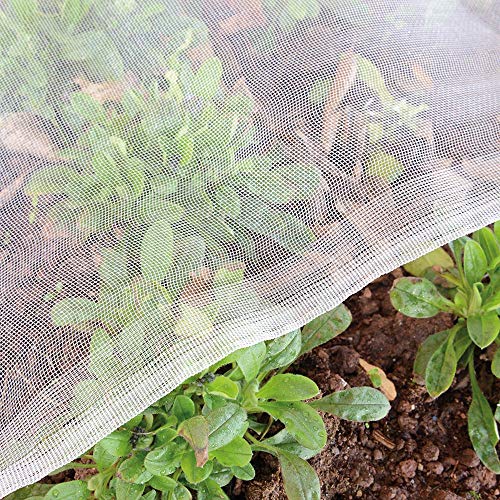
🥬Effective Bug Barrier: Protecting plants and vegetables from a wide range of pest insects and animals, such as cicadas, carrot fly and many species of aphids, you will get a healthier and happier garden

※Big Size to cover large area : The size of our plant cover is 10x30ft, the size can cover large areas. You can cut the plant covers freeze protection into different sizes for different use. You can cover it over the plant such as shrub tomato, pepper, pumpkin, and so on.
The plant row cover is made of 0.55 oz/sq non-woven polypropylene fabric which is lightweight breathable and durable. It allows air and moisture to reach your vegetables and flowers.
Best Practices for Pest Control
- Maintain Cleanliness: Regularly remove debris, fallen leaves, and damaged plants. Debris can harbor pests and diseases.
- Inspect Regularly: Conduct frequent checks for signs of pests. Early detection minimizes damage.
- Utilize Companion Planting: Planting certain herbs and flowers alongside lettuce can deter pests. For example, marigolds can repel aphids.
- Use Row Covers: Lightweight fabrics can protect seedlings from pests while still allowing sunlight and moisture to penetrate.
- Encourage Beneficial Insects: Attract natural predators like ladybugs and lacewings by planting diverse flora or providing insect hotels.
- Water Wisely: Water at the base of the plants to minimize the risk of fungal diseases and reduce pest attraction to excessive moisture.
Crop Rotation and Its Benefits
Rotating crops annually helps disrupt pest life cycles and prevent infestations. When you change the location of your lettuce each year, you reduce the chance of pests returning. Here are some benefits of crop rotation:
- Less Pest Reinfestation: Pests that thrive on lettuce won’t find their preferred food in the same spot.
- Improved Soil Health: Different plants contribute various nutrients back into the soil. This boosts overall soil quality.
- Reduced Soil-Borne Diseases: Alternating crops lowers the risk of soil-borne diseases affecting your lettuce.
- Enhanced Yield: Healthier soil and reduced pest pressure often lead to better yields and more abundant harvests.
Implementing these preventative measures can significantly enhance the success of your lettuce crop.
Conclusion
Keeping your lettuce healthy and pest-free is totally achievable with the right approach. By using safe and effective sprays and incorporating preventative measures, you can create a thriving garden. Regular monitoring and prompt action will help you stay ahead of any pest issues.
Remember to choose sprays that suit your gardening style and follow the application tips for the best results. With a little effort and attention, you’ll enjoy a bountiful harvest of fresh, delicious lettuce. Happy gardening!
Frequently Asked Questions
What are common pests that affect lettuce growth?
Pests that commonly affect lettuce include aphids, slugs, caterpillars, spider mites, and the Lettuce Enterlobar Virus. These insects can cause significant damage, leading to poor crop yields. Signs of infestation may include holes in leaves, discoloration, webbing, and sticky residue.
How can I identify a pest issue in my lettuce?
Look for holes or ragged edges on the leaves, discoloration, sticky residue, and droppings on or near the plants. Regular inspections can help catch pest issues early, allowing for timely intervention.
What are some organic pest control methods for lettuce?
Effective organic pest control methods include neem oil, soap spray, garlic spray, and pepper spray. Additionally, insecticidal soaps, pyrethrin, diatomaceous earth, and horticultural oils are also recommended. Ensure to follow label instructions for safe and effective use.
How often should I apply pest sprays to my lettuce?
It’s best to apply pest sprays every 7–14 days, depending on pest populations and weather conditions. Regular applications, combined with monitoring, will help maintain healthy lettuce crops.
What preventative measures can I take for healthier lettuce?
To prevent pest problems, maintain cleanliness by removing debris, conduct regular inspections, use companion planting, apply row covers, encourage beneficial insects, and water wisely. Additionally, crop rotation can help disrupt pest life cycles.
When is the best time to apply pest sprays?
The ideal times to apply pest sprays are early morning or late evening when pests are most active. This timing can increase the effectiveness of the sprays while minimizing the risk of harming beneficial insects.
