

Have you ever tried planting celery seeds only to be met with disappointing germination rates? Picture this: eagerly preparing your garden, sowing the seeds, and waiting anxiously for signs of life, only to find stubbornly dormant seeds. Fret not! In this article, I’ll share a simple yet effective trick to boost your celery seed germination success.
Key Takeaways
- Understanding the nature of celery seeds is crucial for successful germination, as their small size requires shallow planting and careful handling.
- Pre-soaking celery seeds in warm water before planting can help soften the hard seed coat and improve germination rates.
- Optimal soil conditions, temperature maintenance between 70-75°F, and consistent moisture levels are key factors for successful celery seed germination.
- Tricks like using the paper towel method or soaking techniques can enhance germination rates by providing a controlled environment for seed activation.
- Monitoring post-germination care, including proper watering to prevent overwatering and ensuring adequate light exposure, is essential for nurturing healthy celery seedlings.
Understanding Celery Seed Germination
The Nature of Celery Seeds
When it comes to celery seeds, understanding their nature is crucial for successful germination. Celery seeds are tiny and light, making them prone to uneven distribution when sowing. Their small size also means they require a shallow planting depth for optimal germination. To ensure proper growth, it’s important to handle these delicate seeds with care during the planting process.
Common Germination Challenges
Germinating celery seeds can pose several challenges for gardeners. One common issue is the slow or inconsistent germination rate of celery seeds due to factors like temperature fluctuations or inadequate moisture levels in the soil. Additionally, celery seeds have a hard outer coating that can inhibit water absorption, leading to delayed germination.
To address these challenges and improve your chances of successful celery seed germination, consider using a simple yet effective trick: pre-soaking the seeds before planting. By soaking celery seeds in warm water for a few hours or overnight, you can help soften the hard seed coat and kickstart the germination process.
Preparing for Celery Seed Germination
Recommended Products

Reliable Results: The VIVOSUN professional heat mat maintains optimal temperatures around 68-86℉ (20-30℃), perfect for Seedling start and cutting propagation; Made from durable PVC material, it's designed to last
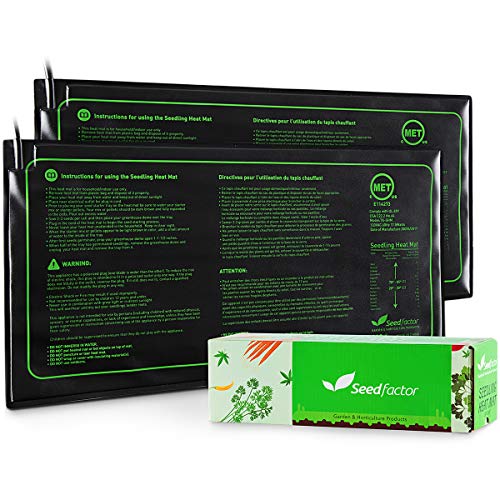
MET safety certified;Comply with UL 499;CSA C22.2 No.64

IDEAL GERMINATION TEMPERATURE: The BN-LINK seedling heat mats for seed starting helps maintain temperatures around 70°F to 85°F, the optimal range for seed germination, cutting propagation, and healthy seedling growth. Achieve faster germination and higher growth rates with seed heating mat.
Optimal Soil Conditions
To ensure successful celery seed germination, you should use well-draining soil rich in organic matter. Choose a location with full sun exposure as celery thrives in sunlight. Avoid compacted soils that can impede root growth. Mix compost into the soil to enhance nutrient content and improve moisture retention, creating an ideal environment for seedling development.
Necessary Temperature and Moisture Levels
Maintain soil temperatures between 70-75°F (21-24°C) for optimal celery seed germination. You can use a heat mat to regulate the temperature if needed. Keep the soil consistently moist but not waterlogged by watering gently or using a spray bottle. Covering the planting tray with plastic wrap can help retain moisture during the germination process.
By following these guidelines on soil conditions, temperature, and moisture levels, you’ll increase your chances of successfully germinating celery seeds and nurturing healthy seedlings ready for transplanting into your garden.
Tricks to Enhance Celery Seed Germination
When it comes to enhancing celery seed germination, there are a few effective tricks you can employ. Follow these tips to maximize the chances of successful germination and ensure healthy seedlings for transplanting.
Using Paper Towel Method
To kickstart the germination process, consider using the paper towel method. Here’s how you can do it:
- Moisten a paper towel until damp but not dripping wet.
- Spread your celery seeds evenly on half of the towel.
- Fold the other half of the towel over the seeds gently.
- Place this in a plastic bag or container to maintain moisture levels.
- Check regularly for any signs of sprouting.
This method provides a controlled environment that encourages seed activation without being buried too deep in soil.
Implementing Soaking Techniques
Soaking your celery seeds before planting can significantly boost germination rates by softening their hard outer shells. Here’s how you can implement soaking techniques:
- Fill a small container with warm water.
- Place your celery seeds in the water and let them soak for 24-48 hours.
- After soaking, drain the water and proceed with planting immediately.
By pre-soaking your seeds, you help expedite the germination process and increase overall success rates.
Temperature Regulation Tips
Maintaining optimal soil temperatures is crucial for successful celery seed germination. Follow these temperature regulation tips:
- Ensure that soil temperatures remain between 70-75°F (21-24°C) consistently.
- Consider using heat mats or placing containers near a heat source to achieve ideal temperatures.
- Use a thermometer to monitor soil temperature regularly, especially during colder periods.
By regulating soil temperatures effectively, you create an environment conducive to prompt and uniform seed germination.
Monitoring and Care Post-Germination
Watering Requirements
After your celery seeds have successfully germinated, it’s crucial to maintain consistent moisture levels in the soil. Keep the soil evenly moist but not waterlogged. You can achieve this by watering the plants regularly, ensuring that the soil doesn’t dry out completely between waterings. Remember, overwatering can lead to rotting of the delicate seedlings, so find a balance that keeps them healthy.
Light Exposure Needs
Once your celery seeds have sprouted, they require ample light exposure to continue growing strong and healthy. Ensure that your seedlings receive at least 6-8 hours of sunlight daily. If you’re growing them indoors, place them near a sunny window or use grow lights to provide sufficient light intensity for optimal growth. Monitor the seedlings closely to prevent leggy growth due to insufficient light.
Remember, proper monitoring and care post-germination are essential for nurturing your celery seedlings into robust plants ready for transplanting into your garden or containers. By meeting their watering requirements and providing adequate light exposure, you’ll set them on the path to thriving successfully.
Conclusion
That’s it! You’ve learned some fantastic tricks to boost celery seed germination. By implementing the methods shared in this article, you’re on your way to nurturing healthy celery plants. Remember, post-germination care is key – maintain consistent moisture levels and provide ample light exposure for those little seedlings. Your dedication and attention will pay off as you watch your celery plants thrive. Happy gardening!
Frequently Asked Questions
What are the common challenges with celery seed germination?
Celery seeds often face low germination rates due to their small size and slow growth.
How can I improve celery seed germination rates?
To enhance germination, consider pre-soaking seeds in water overnight or using well-draining soil rich in nutrients.
What is the paper towel method for celery seed germination?
The paper towel method involves placing moist paper towels with celery seeds in a sealed plastic bag to promote sprouting before planting.
Why is post-germination care crucial for celery seedlings?
Post-germination care ensures healthy growth by maintaining consistent moisture levels, avoiding overwatering, and providing sufficient light exposure.
How much light do celery seedlings need after germination?
Celery seedlings require 6-8 hours of daily light exposure to thrive post-germination.
Why is monitoring essential for successful cultivation of celery plants?
Regular monitoring helps identify issues early on, allowing prompt intervention to ensure healthy development and successful transplantation.
