

Have you ever wondered if starting lettuce seeds indoors is worth the effort? You’re not alone. Many gardeners face the same dilemma every spring. With limited space and unpredictable weather, it can be tough to decide whether to sow seeds outside or give them a head start indoors.
Key Takeaways
- Controlled Environment: Starting lettuce seeds indoors provides a consistent and optimal environment for germination, protecting them from pests and ensuring proper moisture levels.
- Early Growth Advantage: Indoor seed starting gives lettuce a head start, allowing for earlier harvests and maximizing yields by transplanting seedlings four weeks before the last frost.
- Space Requirements: Ensure adequate space for seed trays and seedlings indoors, as each requires 2-4 inches for proper growth and airflow to prevent mold.
- Timing for Transplanting: Begin your indoor seed starting 4-6 weeks before the last expected frost, and acclimate seedlings gradually to outdoor conditions to reduce transplant shock.
- Choosing the Right Containers: Use containers with proper drainage, such as seed trays or biodegradable pots, to promote healthy root development and prevent waterlogging.
- Common Mistakes to Avoid: Be cautious of overwatering and insufficient lighting, which can lead to root rot or weak seedlings; monitor soil moisture and ensure adequate light exposure.
Benefits Of Starting Lettuce Seeds Indoors
Starting lettuce seeds indoors presents several advantages. Early planning and careful attention lead to healthy, robust plants ready for outdoor transplanting.
Recommended Products

EASIER SEED STARTING: Our Burpee SuperSeed tray with 36 flexible pop-out cells is designed to simplify indoor seed starting for all your favorite vegetables, flowers and herbs. Just add seed starting mix, seeds, water and light to get growing! Rows are labeled alphanumerically for seedling identification with included Plant-o-Gram diagram. Tray dimensions: 11.5" x 10-3/8" x 2-1/4"


Includes Back to the Roots Compressed Seed Starting Potting Mix that expands to 12qt of soil. A balanced pH, which means it’s truly all-purpose. Use alone or as an amendment for anything in a pot or in the ground — vegetables, flowers, herbs, and even starting seeds.
Controlled Environment
A controlled environment promotes optimal seed germination. Indoor conditions offer reliable warmth, consistent moisture, and protection from pests. Consider using seed trays with humidity domes to maintain moisture levels. Position trays near sunlight or under grow lights to ensure robust growth. With control over temperature and light, you’ll cultivate strong seedlings that withstand the outdoor transition.
Early Growth Advantage
Starting seeds indoors gives your lettuce a head start. This method allows for earlier harvests since indoor seedlings mature faster. For instance, if you start seeds indoors four weeks before the last frost date, you can transplant them when temperatures rise. This effort might yield fresh lettuce weeks earlier than direct sowing. Adjust your planting schedule based on local climate zones to maximize your yield.
Considerations Before Starting
Starting lettuce seeds indoors offers advantages, but certain factors require your consideration. Assess your space requirements and timing for transplanting.
Recommended Products

Sturdy & Reliable: Made from sturdy plastic, this seedling starter tray holds its shape when full of wet soil; A dependable plant starter tray built to resist bending or cracking season after season
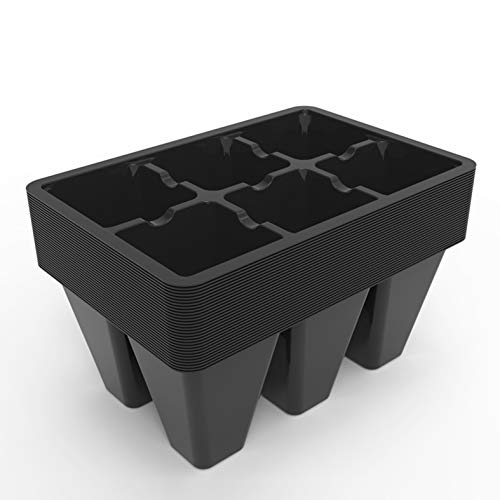
High Quality and Durable - Our Gardzen Seed Start Trays are made from premium plastic material, ensuring long-lasting use for all your seed starting needs. These trays are designed to withstand daily wear and tear, making them perfect for avid gardeners.

EASIER SEED STARTING: Our Burpee SuperSeed tray with 16 extra-large flexible pop-out cells is designed to simplify indoor seed starting. Just add seed starting mix, seeds, water and light to get growing! Rows are labeled alphanumerically for seedling identification with included Plant-o-Gram diagram.
Space Requirements
Indoor gardening requires adequate space for seed trays and plant growth. Ensure you’ll have enough room on windowsills or shelves to accommodate these trays. Each lettuce seedling needs around 2-4 inches of space to grow. If you plan to use grow lights, factor in the additional shelving or stand. Evaluate airflow as well; good circulation prevents mold and helps plants thrive.
Timing For Transplanting
Timing plays a crucial role in the success of your indoor lettuce seeds. Start seeds 4-6 weeks before the last expected frost date for your area. Monitor local weather for temperature fluctuations, as maintaining consistent warmth is essential. When seedlings reach about 3-4 inches tall, they’re ready for transplanting outdoors. Gradually acclimate your plants to the outdoor conditions over a week to reduce transplant shock.
Steps To Start Lettuce Seeds Indoors
Starting lettuce seeds indoors can lead to a successful outdoor garden. Follow these steps to ensure you get the best results.
Recommended Products

DIY Peat Pots for Seedlings:The seed starter pots tray size is 6.5 x 4.7x 2 inches, and each pot size is 1.6 x 1.6 x 2 inches. Small size, which can be used to plant flowers, vegetables, etc

Package Includes 40 pack seed starter trays (12 cells per tray) and 40 plastic plant labels for marking the seeds in your peat pots

EASY SEED STARTING: Place your 3 inch peat pots for seedlings on a tray, fill with seed starting mix, water until saturated, and sow seeds as directed for healthy germination.
Choosing The Right Containers
Choosing the right containers for your lettuce seeds is crucial. Look for seed trays, peat pots, or biodegradable containers. Ensure each container has drainage holes to prevent waterlogging.
Consider using small recycled containers, like yogurt cups or egg cartons, for a budget-friendly option. Just poke a few holes at the bottom for drainage. If you use larger pots, remember to space the seeds 2-4 inches apart for healthy root development.
Soil and Watering Needs
Using quality soil makes a significant difference in seed health. Opt for a seed starting mix; it’s light, free-draining, and rich in nutrients. Avoid using garden soil, as it may contain pests or diseases.
Watering thoroughly after planting is essential. Moisten the soil until it’s damp, but not soggy. Use a spray bottle or a gentle watering can to avoid displacing the seeds. Continue to keep the soil consistently moist, but not wet, throughout the germination process. Check daily, as the soil can dry out quickly indoors.
Common Mistakes To Avoid
Starting lettuce seeds indoors can be rewarding, but certain mistakes can hinder your success. Be mindful of the following common pitfalls.
Overwatering Issues
Overwatering can lead to root rot and mold development. Water your seedlings only when the top inch of soil feels dry. Use a spray bottle or a watering can with a narrow spout to apply water gently, ensuring you don’t displace the seeds. Check for drainage holes in your containers. If water collects at the bottom, empty excess water after watering.
Improper Lighting Conditions
Insufficient light can cause leggy, weak seedlings. Position your grow lights 2-4 inches above the seedlings to provide adequate brightness. Ensure they receive 12-16 hours of light daily. If using natural light, place your trays near south-facing windows. Rotate the trays weekly to expose all sides of the seedlings to light, preventing uneven growth. If you notice seedlings reaching for the light or becoming elongated, adjust the light source closer or increase exposure time.
Conclusion
Starting lettuce seeds indoors can be a rewarding experience that sets you up for success in your garden. With the right conditions you can enjoy healthier plants and an earlier harvest. Just remember to consider your space and timing to ensure a smooth transition to the outdoors.
By following the steps outlined and avoiding common pitfalls you’ll be well on your way to growing delicious lettuce right from your home. So go ahead and give it a try—your future salads will thank you!
Frequently Asked Questions
Should I start lettuce seeds indoors or sow them outside?
Starting lettuce seeds indoors is often beneficial as it provides a controlled environment with warmth, moisture, and protection from pests. This can result in healthier plants and earlier harvests compared to direct sowing outside.
How much space do I need for starting lettuce seeds indoors?
You’ll need sufficient space for seed trays and individual plants, with each seedling requiring 2-4 inches of space. If using grow lights, you may need additional shelving for optimal growth.
When should I start my lettuce seeds indoors?
Lettuce seeds should be started 4-6 weeks before the last expected frost date in your area. This timing helps ensure that your seedlings are ready for transplanting when the weather warms up.
What type of containers can I use for starting lettuce seeds?
You can use seed trays, peat pots, or biodegradable containers with drainage holes to prevent waterlogging. Budget-friendly options like recycled yogurt cups or egg cartons can also work well.
How often should I water my indoor lettuce seeds?
Keep the soil consistently moist, watering only when the top inch feels dry. Avoid overwatering, as it can lead to root rot and mold. Gentle watering methods are recommended to prevent displacing the seeds.
What kind of soil should I use for starting lettuce seeds?
It’s best to use a quality seed starting mix that is light, nutrient-rich, and free-draining. Avoid using garden soil, as it can contain pests and diseases that may harm your seedlings.
How can I prevent common mistakes when starting lettuce seeds indoors?
To prevent mistakes, avoid overwatering by letting the top inch of soil dry out. Ensure adequate lighting for seedlings by using grow lights positioned 2-4 inches above the plants, providing 12-16 hours of light daily.
How do I acclimate my seedlings before transplanting them outdoors?
Gradually acclimate your seedlings by exposing them to outdoor conditions for a few hours each day, increasing the time over a week or two. This process helps minimize transplant shock and ensures healthier plants when they go outside.
