

Have you ever wondered whether you should direct sow your lettuce seeds right into the ground? If you’ve tried growing lettuce before, you know it can be tricky to get just the right conditions for a successful crop.
Direct sowing can save you time and effort, but it’s not always the best choice for every gardener. In this article, you’ll explore the pros and cons of direct sowing lettuce, helping you decide if it’s the right method for your garden. By the end, you’ll feel confident about how to grow your lettuce for a bountiful harvest.
Key Takeaways
- Understand Direct Sowing: Direct sowing involves planting seeds directly in the soil, simplifying the gardening process by eliminating indoor germination steps.
- Weigh the Benefits: Key advantages include cost-effectiveness, natural growth conditions for stronger plants, and maintaining soil health.
- Acknowledge the Challenges: Be aware of factors like weather dependency, pest vulnerabilities, and weed competition that can impact seed germination and plant health.
- Follow Best Practices: For successful direct sowing, ensure proper soil preparation, plant at the correct depth and spacing, keep the soil moist, and thin seedlings to prevent overcrowding.
- Optimize Timing: Sow lettuce seeds in early spring or fall when temperatures are between 60°F and 70°F for optimal growth.
- Protect Your Crops: Use row covers to deter pests and safeguard seedlings from unexpected weather changes, enhancing your chances of a bountiful harvest.
Understanding Direct Sowing
Direct sowing involves planting seeds directly into the garden soil. This method often requires minimal equipment and fewer steps than starting seeds indoors. However, several factors affect the success of direct sowing lettuce.
Benefits of Direct Sowing
- Simplicity: You can skip the indoor germination steps, saving time and effort.
- Natural Growth: Seeds experience a natural transition, promoting stronger plants.
- Soil Health: Direct sowing can contribute to maintaining soil structure and health.
Challenges of Direct Sowing
- Weather Dependency: Cool temperatures and excessive rain can impact seed germination.
- Pest Vulnerability: Seeds planted outdoors may attract pests and predators.
- Weed Competition: Weeds can compete with lettuce for nutrients and sunlight.
Tips for Successful Direct Sowing
- Select the Right Time: Sow seeds in early spring or fall when temperatures range between 60°F and 70°F.
- Prepare the Soil: Loosen the soil and incorporate organic matter to improve drainage and fertility.
- Plant Seeds Properly: Sow seeds about 1/4 to 1/2 inch deep, spaced 12 inches apart for robust growth.
- Water Carefully: Keep the soil consistently moist but not waterlogged; use a fine spray to avoid disturbing the seeds.
- Thin Seedlings: Once seedlings appear, thin them to 6-12 inches apart to prevent overcrowding.
- How deep should I sow lettuce seeds?
Aim for a depth of about 1/4 to 1/2 inch for optimal growth. - When is the best time to direct sow?
Early spring or fall provides the ideal conditions for lettuce seeds. - How do I protect seedlings?
Use row covers or netting to deter pests and provide a microclimate for your seedlings.
Direct sowing can be a rewarding method for cultivating lettuce. By understanding the benefits and challenges, along with following practical tips, you increase your chances of a thriving lettuce harvest.
Benefits of Direct Sowing Lettuce
Direct sowing lettuce seeds offers several significant advantages that can enhance your gardening experience.
Recommended Products

Beautiful - Large, premium packet of a blend of heirloom Lettuce seeds (Latuca sativa). This surprising mix of pretty and colorful lettuces will be a welcome addition to your garden in early spring and fall. Minimum of 600 mg per packet (about 650 seeds).

Beautiful - Large individual packets of Buttercrunch, Jericho, Iceberg, Green Salad Bowl, Little Gem, Red Romaine, Black-Seeded Simpson, All The Year Round, Red Salad Bowl, and Lolla Rosa Lettuce Seed; A wonderful variety of shapes and colors for your salad bowl. Minimum of 600mg per packet.
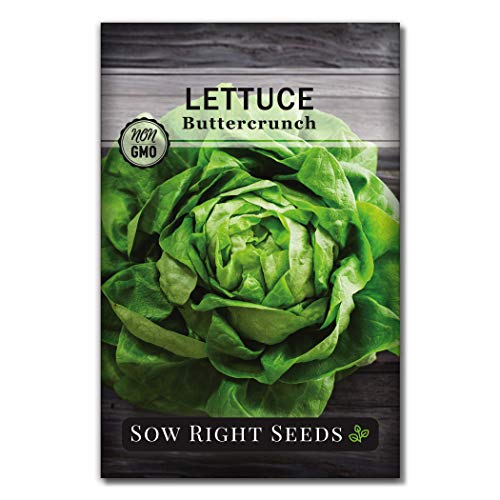
Beautiful - Full color packet of Buttercrunch Lettuce (Lactuca sativa) Seed. This bibb-type lettuce forms a tight rosette hiding a buttery yellow center. Slow to bolt and tolerant to warmer temperatures. AAS winner. Minimum of 600 mg per packet (about 650 seeds).
Cost-Effectiveness
Direct sowing proves to be a cost-effective method. You save money by avoiding additional expenses for seedling trays, growth lights, and heating mats. Purchasing seeds is often less expensive than buying established plants. For example, a packet of lettuce seeds typically ranges from $2 to $4, while seedlings can cost anywhere from $3 to $10 each. By directly sowing, you can plant multiple seeds and increase your harvest without spending a fortune.
Simplicity and Convenience
Direct sowing is simple and convenient. You eliminate several steps involved in starting seeds indoors, such as transplanting. Planting seeds directly into the ground allows you to save time and effort. For instance, once you prepare the soil, you only need to scatter the seeds at the right depth and water them. This straightforward approach fits perfectly for busy gardeners or those with limited space. With fewer tools and steps, you can enjoy the process of growing lettuce without the complications of indoor seed starting.
Drawbacks of Direct Sowing Lettuce
Direct sowing lettuce can pose several challenges. Consider these factors before choosing this method.
Recommended Products
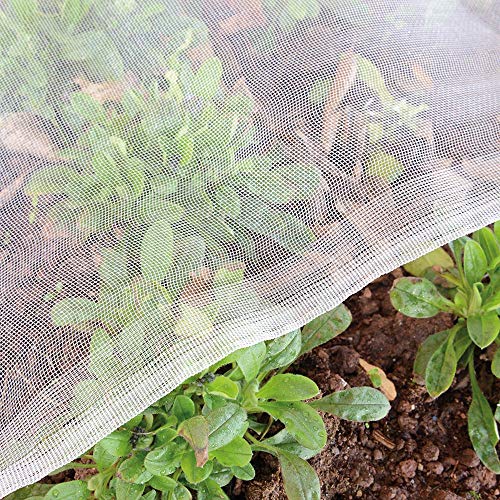
🥬Effective Bug Barrier: Protecting plants and vegetables from a wide range of pest insects and animals, such as cicadas, carrot fly and many species of aphids, you will get a healthier and happier garden

1. Fortify Your Garden Fortress: Say goodbye to pesky pests and unwanted critters! Our 4'x10' Plant Netting Pest Barrier acts as a sturdy shield, protecting your precious plants from insects, birds, and other garden invaders. It's like having a fortress around your garden beds, ensuring your plants thrive and flourish.

🌱 1. Protect Seedlings from Spring Frost & Cold Nights This 6.5 × 16.4 ft floating row cover helps shield young plants, seedlings, and vegetables from late spring frost and sudden overnight temperature drops.
Weather Vulnerability
Weather plays a crucial role when sowing lettuce seeds directly in the garden. Cool temperatures can slow germination, while excessive heat may cause the seeds to rot. Additionally, unexpected frost can harm young seedlings before they establish. To mitigate these risks, monitor local weather forecasts closely. If temperatures drop too low, use row covers to protect your seeds and seedlings. This practice helps maintain warmth and shields them from frost.
Dealing with Pests
Pest issues often increase with direct sowing. Seedlings are vulnerable to various pests like slugs, snails, and beetles, which can damage or even destroy young plants. To protect your lettuce, consider using barriers like floating row covers to deter pests while allowing sunlight and water through. Regularly check your garden for signs of infestation, and introduce natural predators, such as ladybugs, to help control pest populations. Additionally, keeping your garden clean and debris-free reduces hiding spots for pests, making it easier to maintain healthy plants.
Best Practices for Direct Sowing Lettuce
Direct sowing lettuce can yield excellent results with the right approach. Here are some best practices to follow for a successful harvest.
Recommended Products

NUTRIENT-RICH, NATURAL, AND ORGANIC SOIL: Grow a bountiful garden in your home with the Back to the Roots All-Purpose Natural and Organic Peat-Free 3-in-1 Seed Starting Mix, packed with the nutrients needed for your plants, flowers, and vegetables to thrive

Includes Back to the Roots Compressed Seed Starting Potting Mix that expands to 12qt of soil. A balanced pH, which means it’s truly all-purpose. Use alone or as an amendment for anything in a pot or in the ground — vegetables, flowers, herbs, and even starting seeds.

CONTAINS: This organic Seed Stating soil mix is a rich blend of sphagnum peat moss & perlite with yucca extract and lime to ensure correct pH.
Soil Preparation Tips
- Choose Quality Soil: Use well-draining soil rich in organic matter. Add compost or well-rotted manure to improve fertility.
- Test the pH: Lettuce thrives in slightly acidic to neutral soil (pH 6.0 to 7.0). Test your soil and adjust as needed.
- Till the Soil: Loosen the top 12 inches of soil with a garden fork or tiller. This encourages root growth.
- Level the Bed: Create a smooth, even surface to ensure even seed distribution and uniform watering.
- Remove Debris: Clear stones, weeds, and old plant material from the area to reduce competition and pests.
- Cool Weather: Sow lettuce seeds in early spring or fall when temperatures are between 60°F and 70°F. Lettuce can bolt in higher temperatures.
- Timing for Success: Start sowing 2-4 weeks before the last frost date. In warmer regions, consider a late summer sowing for a fall harvest.
- Monitor Local Conditions: Check daily temperature forecasts. Ideal conditions promote quick germination and healthy growth.
- Follow Up: If you’re in a risky climate, stagger your sowing every two weeks to spread the harvest timeline and ensure a steady supply.
Conclusion
Deciding whether to direct sow lettuce ultimately comes down to your gardening style and local conditions. If you appreciate simplicity and want to save time and money direct sowing might be the perfect fit for you. Just keep in mind the challenges that come with it like weather fluctuations and pests.
By following the tips shared in this article you can set yourself up for success and enjoy a bountiful harvest. Whether you choose to direct sow or not remember that every gardening journey is unique and filled with learning experiences. Happy gardening!
Frequently Asked Questions
What is direct sowing for lettuce seeds?
Direct sowing is the method of planting lettuce seeds directly into garden soil rather than starting them indoors. This approach often requires less equipment and is simpler for many gardeners.
What are the benefits of direct sowing lettuce seeds?
Direct sowing offers several benefits, including simplicity, a more natural growth process for stronger plants, improved soil health, and cost-effectiveness by eliminating the need for seedling trays and heating mats.
What challenges are associated with direct sowing lettuce?
Challenges of direct sowing include dependence on weather for germination and seedling survival, increased vulnerability to pests, and competition from weeds that can hinder plant growth.
What tips can improve success when direct sowing lettuce?
To improve success, select the right time to sow, prepare the soil well, plant seeds at the correct depth, water carefully, and thin seedlings to reduce crowding and improve airflow.
How can gardeners protect direct sown lettuce from pests?
Gardeners can protect young lettuce plants by using barriers, employing natural predators, and monitoring for pest activity. Additionally, row covers can provide physical protection from pests.
When is the best time to direct sow lettuce seeds?
Lettuce seeds are best sown in cool weather, typically in early spring or fall. In risky climates, stagger sowing every two weeks to ensure a steady harvest throughout the growing season.
What soil conditions are ideal for direct sowing lettuce?
Ideal soil for direct sowing lettuce should be well-draining and rich in organic matter. Testing and adjusting pH levels, tilling the soil, and removing debris are crucial steps for preparation.
