

Have you ever wondered if your lettuce needs a little extra boost? Growing lush, crunchy lettuce can be a rewarding experience, but knowing when and how to fertilize can be tricky. You might find yourself staring at your garden, questioning whether those vibrant greens could benefit from some added nutrients.
Key Takeaways
- Lettuce Nutrient Needs: Key nutrients for healthy lettuce growth include nitrogen, phosphorus, potassium, calcium, and magnesium, which are essential for leaf development and overall plant health.
- Optimal Fertilization Timing: Fertilize lettuce at planting to support early growth, and monitor plants around four to six weeks for signs of nutrient deficiency, applying additional fertilizer as needed.
- Soil Health is Crucial: Healthy soil composition, including organic matter and proper pH levels (6.0 to 7.0), enhances nutrient absorption and fosters strong lettuce growth.
- Fertilizer Types: Both organic (like compost and bone meal) and synthetic fertilizers (such as NPK and water-soluble options) offer effective means to deliver necessary nutrients, depending on your gardening approach.
- Signs of Nutrient Deficiency: Yellowing leaves and stunted growth are primary indicators that your lettuce requires fertilization; timely intervention can restore plant vitality.
- Regular Soil Testing: Performing soil tests regularly helps identify nutrient deficiencies and tailor fertilization schedules to meet the specific needs of your lettuce plants.
Understanding Lettuce Growth Requirements
Lettuce thrives when its growth requirements are met. Understanding these needs helps ensure healthy, robust plants.
Key Nutrients for Lettuce
Lettuce requires several key nutrients for optimal growth.
- Nitrogen: Essential for leaf development, promoting lush green foliage.
- Phosphorus: Supports root growth and strengthens plants, enhancing overall health.
- Potassium: Aids in water regulation, helping plants resist disease and stress.
- Calcium: Important for cell wall structure, improving firmness and shelf life.
- Magnesium: Helps with photosynthesis, ensuring vibrant leaf color.
A balanced fertilizer containing these nutrients helps maintain healthy lettuce plants. Consider soil tests to determine specific nutrient deficiencies.
Soil Composition and Health
Healthy soil fosters strong lettuce growth.
- Organic Matter: Incorporate compost or well-rotted manure to boost soil structure and nutrient content.
- pH Level: Ideal soil pH for lettuce ranges from 6.0 to 7.0. Test and amend soil as needed.
- Drainage: Ensure well-drained soil to prevent root rot. Raised beds often improve drainage.
Maintaining optimal soil composition leads to vigorous growth and enhances nutrient absorption. Regular monitoring of soil health makes a significant difference in your lettuce garden’s success.
When to Fertilize Lettuce
Understanding when to fertilize lettuce enhances growth and boosts yields. Pay attention to the growth stages to provide the right nutrients at the right time.
Recommended Products

Balanced Nitrogen Fertilizer Formula: This slow release fertilizer contains 17-17-17 NPK to provide complete nutritional support for lush foliage and healthy plant growth and is suitable for various gardening and agricultural needs

🌿 Balanced 10-10-10 Granular Fertilizer for Outdoor & Indoor Plants: All-purpose plant food with 10% Nitrogen, 10% Phosphorus, and 10% Potassium. Perfect for outdoor vegetable gardens, fruit trees, evergreens, shrubs, lawns, and flowers. Also great for potted plants and indoor gardening. One solution for all your plant needs!

Scotts All Purpose Flower & Vegetable Continuous Release Plant Food promotes beautiful flowers and abundant harvests
Early Growth Stage
Fertilize your lettuce right at planting. Incorporate a balanced fertilizer into the soil to kickstart growth. Focus on applying it when you transplant seedlings or sow seeds directly. During this early stage, nitrogen promotes leafy growth, so a fertilizer high in nitrogen is beneficial. You might consider using a slow-release formula to sustain nutrient levels.
Mid-Growth Considerations
Monitor your lettuce as it grows, especially around the four- to six-week mark. Apply additional fertilizer if you notice signs of nutrient deficiency, such as yellowing leaves. Side-dress with a high-nitrogen fertilizer every few weeks if needed. Water well after fertilizing to help the nutrients reach the roots effectively. Regular soil tests can guide your fertilization schedule to match your specific soil needs.
Types of Fertilizers for Lettuce
Choosing the right fertilizer for lettuce ensures optimal growth. Different types of fertilizers play a role in delivering essential nutrients.
Recommended Products

ORGANIC FISH EMULSION FERTILIZER - Our liquid fish fertilizer is made from sustainably sourced fish emulsion and we use up all the parts that would otherwise go to waste. Using an environmentally conscious method, ingredients are refined fresh and 100% cold pressed to help retain all of the nutrients, vitamins, and amino acids needed to grow healthy plants.

For Organic Gardening: Certified by OMRI for organic use, this organic fish fertilizer is trusted by gardeners who value natural growing practices

Made from Wild Fish Nutrients – Formulated to support plant growth using fish-based nutrition.
Organic Fertilizers
Organic fertilizers provide nutrients from natural sources. They improve soil health and structure, promoting beneficial microbial activity. Common organic fertilizers for lettuce include:
- Compost: Rich in nutrients, compost enhances soil fertility and moisture retention. Mix it into your soil before planting for balanced nutrition.
- Manure: Well-rotted manure, such as cow or chicken, offers nitrogen and other essential elements. Apply it at least a month before planting to avoid burning your plants.
- Bone Meal: This source offers phosphorus, vital for root development. Incorporate it into the planting hole to support strong initial growth.
- Fish Emulsion: A liquid fertilizer high in nitrogen, fish emulsion stimulates rapid leafy growth. Dilute it in water and apply every few weeks during the growing season.
Synthetic Fertilizers
Synthetic fertilizers supply targeted nutrients and can provide quick results. These fertilizers are typically formulated to meet specific nutrient requirements. Common types include:
- NPK Fertilizers: These contain nitrogen (N), phosphorus (P), and potassium (K) in varying ratios. Choose a balanced NPK fertilizer for general lettuce growth, or a higher nitrogen ratio for leafy varieties.
- Water-Soluble Fertilizers: Quick-acting and easy to apply, these fertilizers dissolve in water. Use them during watering for immediate nutrient uptake, especially during critical growth stages.
- Slow-Release Fertilizers: These gradually release nutrients over time. Apply them at planting for consistent feeding throughout the growth cycle, reducing the risk of over-fertilization.
Selecting the right fertilizer type benefits your lettuce plants. Assess your soil needs and specific growth stages to make informed choices.
Signs Your Lettuce Needs Fertilization
Identifying when your lettuce needs fertilization helps ensure robust growth and high yields. Look for these key signs:
Recommended Products
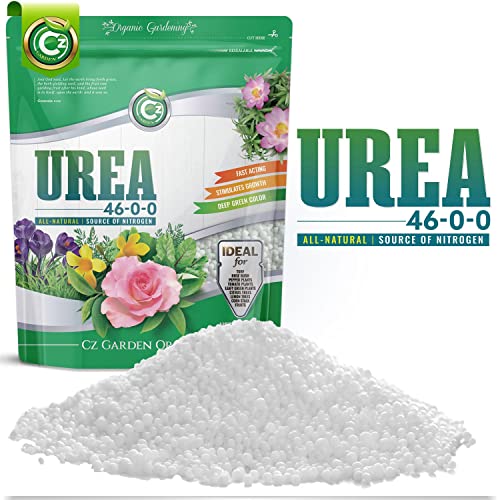
PREMIUM QUALITY INGREDIENTS – Cz Garden Urea is a water soluble, high purity nitrogen fertilizer designed to boost the healthy development of all your indoor flowers, lawn, and garden vegetables.

Made for Nitrogen Support – Formulated to supply nitrogen for essential plant nutrition.

🥬 CRAFTED FOR ALL LETTUCE VARIETIES – Gardenera LIQUID POWER Lettuce Fertilizer is specially formulated to support rapid leaf development, crisp texture, and vibrant green color in romaine, butterhead, iceberg, red leaf, and loose-leaf lettuces.
Yellowing Leaves
Yellowing leaves indicate a potential nitrogen deficiency. If your lettuce shows pale or discolored foliage, it’s time to consider adding a nitrogen-rich fertilizer. These nutrients are crucial for promoting healthy, vibrant leaves. Monitor younger leaves closely; they often show symptoms first. Quick application of a balanced fertilizer can restore vitality.
Stunted Growth
Stunted growth manifests as slow, uneven development of your lettuce plants. If you notice smaller heads or sparse leaf production, your plants might not be receiving adequate nutrients. Conduct a soil test to check nutrient levels. If deficiencies appear, applying a complete fertilizer tailored to the specific needs of your soil will help support optimal growth. Aim for uniform watering and mulching to enhance soil moisture retention, which also promotes consistent growth.
Conclusion
Deciding whether to fertilize your lettuce can make a big difference in its growth and overall health. By understanding your soil’s specific needs and keeping an eye on your plants for signs of deficiency you can ensure your lettuce thrives.
Whether you choose organic or synthetic options it’s important to apply the right nutrients at the right time. Regular soil tests and monitoring will help you fine-tune your approach. With a little care and attention your lettuce can flourish and provide you with a bountiful harvest. Happy gardening!
Frequently Asked Questions
What are the key nutrients needed for healthy lettuce growth?
Lettuce requires key nutrients such as nitrogen, phosphorus, potassium, calcium, and magnesium for optimal growth. A balanced fertilizer containing these nutrients promotes strong and healthy plants.
When should I fertilize my lettuce?
Fertilize lettuce at the planting stage by mixing a balanced fertilizer into the soil. Additionally, monitor plants at the mid-growth stage (around four to six weeks) for deficiencies and apply high-nitrogen fertilizer as needed.
How can I tell if my lettuce needs fertilization?
Look for signs like yellowing leaves, which often indicate nitrogen deficiency, and stunted growth, suggesting inadequate nutrients. These signs should prompt a soil test and appropriate fertilization.
What types of fertilizers are best for lettuce?
Both organic and synthetic fertilizers are suitable for lettuce. Organic options like compost and bone meal boost soil health, while synthetic options like NPK and water-soluble fertilizers provide quick nutrient delivery according to specific needs.
How important is soil health for growing lettuce?
Healthy soil is crucial for lettuce growth. Incorporating organic matter, maintaining an ideal pH, and ensuring proper drainage enhance soil health, supporting strong root systems and optimal plant development.
