

Ever wondered if covering your tomato plants during rain showers is a good idea? Picture this: you’ve nurtured your tomato garden with care, only to have a sudden downpour threaten to undo all your hard work. What should you do? In this article, we’ll explore whether it’s beneficial to shield your beloved tomato plants from the rain.
You might be asking yourself, “Should I cover my tomato plants when it rains?” The answer could make a significant difference in the health and yield of your precious tomatoes. By understanding the impact of rain on tomato plants and the potential benefits of providing them with shelter, you can make informed decisions to protect your garden investment. Let’s dive into this common gardening dilemma together.
Key Takeaways
- Proper water management is crucial for tomato plants to thrive, balancing moisture without overwatering to prevent issues like root rot and fungal diseases.
- Cover tomato plants during rain showers to shield them from harm, choosing materials like plastic sheeting, cloth covers, or umbrellas based on your needs.
- Not covering tomato plants during rain increases the risk of diseases like blight and physical damage such as bruising or splitting due to heavy raindrops.
- Alternative protective measures include using greenhouses, cloches, row covers, mulching, proper fertilization, and improving drainage to safeguard tomato plants during rainy periods.
Understanding Tomato Plant Care
When it comes to caring for your tomato plants, understanding the basics is essential. Here are some key aspects to consider:
Importance of Water Management
Proper water management is crucial for the health and growth of your tomato plants. While they need an adequate amount of water to thrive, overwatering can lead to issues like root rot and fungal diseases. It’s important to strike a balance and ensure that your plants receive consistent moisture without being waterlogged.
Signs of Overwatering
Identifying signs of overwatering in your tomato plants is vital to prevent damage. Look out for wilting leaves, yellowing foliage, or soggy soil, as these could indicate excess water. Adjust your watering schedule accordingly to avoid drowning your plants and promote their overall well-being.
By understanding the importance of water management and recognizing signs of overwatering, you can effectively care for your tomato plants and help them flourish.
Protecting Tomato Plants During Rain
When to Cover Your Tomato Plants
Cover your tomato plants during rain showers to shield them from potential harm. It’s best to cover them before heavy rain or storms to prevent overwatering and protect the plants from diseases that thrive in wet conditions.
Suitable Materials for Covering
You can use various materials to cover your tomato plants during rain. Options include:
- Plastic Sheeting: Provides excellent protection against heavy rainfall.
- Cloth Covers: Allow some airflow while protecting the plants from excess moisture.
- Umbrellas or Canopies: Ideal for smaller areas or potted plants, offering immediate shelter.
Choose a covering material that suits your needs and ensure it adequately shields the tomato plants without causing damage or restricting growth.
Recommended Products
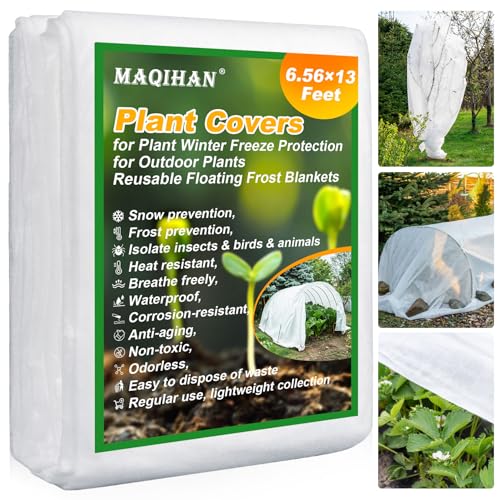
Product Features: Our plant covers are ideal for protecting all plant. Made from premium 1 oz/sq non-woven fabric, their durability and breathability ensuring both insulation against frost and facilitation of sunlight penetration for healthy plant growth
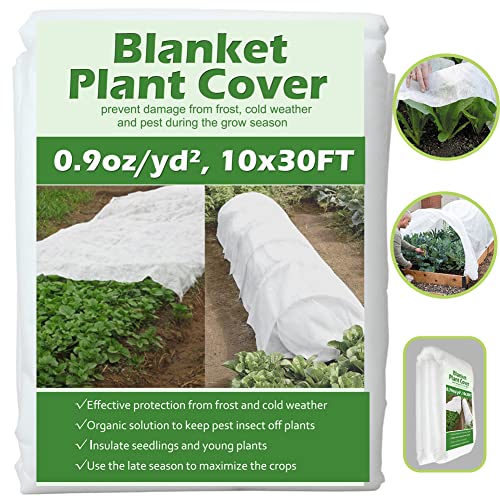
※Big Size to cover large area : The size of our plant cover is 10x30ft, the size can cover large areas. You can cut the plant covers freeze protection into different sizes for different use. You can cover it over the plant such as shrub tomato, pepper, pumpkin, and so on.

THICKER MATERIAL: Our plant freeze protection cover is made of UV stabilized polypropylene. Upgraded thicker 0.9oz./sq.yard lightweight but durable. Soft plant covers are friendly and no harm to your plants. Breathable non-woven fabric allow light, air go through the frost cloths and reach the plants.
Risks of Not Covering Tomato Plants
When it comes to safeguarding your tomato plants, overlooking covering them during rainfall can pose significant risks. Here are some potential consequences you should be aware of:
Recommended Products

Package Included: You will receive 1 pc red tomato trellis greenhouse cover, the color is long-lasting and not easy to fade. The size is 28.3 x 15.4 x 15.4 inch, appropriate size can meet your usage requirements. (Trellis not included)

Sufficient Quantity: you will receive 6 pieces of winter plant covers freeze protection, the sufficient quantity and transparent design are enough to meet your daily use and replacement needs

3 Pack Quantity and Size: the set includes 3 white tomato plant covers, each measuring about 59.1 x 17.7 inches (150 x 45 cm); The tall rectangular shape fits vertical planter boxes and square tomato cages, surrounding upright plants more closely than loose frost blankets while keeping separate growing areas covered and organized
Potential Diseases
Leaving your tomato plants exposed to rain increases the likelihood of various diseases taking hold. Excessive moisture on the leaves and fruit can create a breeding ground for fungal infections such as blight, leaf spot, or powdery mildew. These diseases can weaken the plants, affect fruit development, and ultimately reduce your harvest.
Physical Damage
In addition to disease susceptibility, failing to cover tomato plants during rainy periods can lead to physical damage. Heavy raindrops hitting the delicate foliage and fruit may cause bruising or splitting, making them vulnerable to pests and further disease infiltration. Moreover, prolonged exposure to excess water can result in root rot, stunting growth and hindering nutrient absorption.
By understanding these risks associated with not covering your tomato plants when it rains, you can take proactive measures to protect your precious crop and ensure a bountiful harvest.
Alternative Protective Measures
When it comes to safeguarding your tomato plants from rain, there are alternative protective measures you can consider. Here are some practical solutions to help you keep your plants safe and healthy:
Recommended Products

Protect Your Vegetables and Fruits: LCHUANG Garden Netting is great for orchards, greenhouses, gardens, nurseries, patios, and shrubs. This Bird Netting with a zipper can protect blueberries, tomatoes, trees, fruits, flowers, vegetables, and potted plants from insects, birds, and bugs, which helps the plants grow normally.

Protect Your Vegetables and Fruits: LCHUANG Garden Netting is great for orchards, greenhouses, gardens, nurseries, patios, and shrubs. This Bird Netting with a zipper can protect blueberries, tomatoes, trees, fruits, flowers, vegetables, and potted plants from insects, birds, and bugs, which helps the plants grow normally.

Plant grow tent with mesh all around, instant pest guard and plant shade cover to grow and protect fruit, vegetables, herbs, flowers and shrubs.
Structural Solutions
- Greenhouses: Consider using a greenhouse to shield your tomato plants from rain and adverse weather conditions. Greenhouses provide a controlled environment that protects your plants while allowing them to thrive.
- Cloches: Utilize cloches, which are bell-shaped coverings placed over individual tomato plants, offering protection from rain showers while creating a microclimate ideal for plant growth.
- Row Covers: Employ row covers made of lightweight fabric or plastic to shield rows of tomato plants from excessive rainfall without compromising air circulation.
- Mulching: Apply mulch around the base of your tomato plants to prevent soil erosion caused by heavy rain and maintain soil moisture levels for optimal plant growth.
- Fertilization: Ensure proper fertilization tailored to the specific needs of tomato plants during rainy periods to support their health and resilience against potential diseases.
- Drainage Improvement: Enhance soil drainage in the planting area by amending the soil with organic matter or creating raised beds to prevent waterlogging and root rot issues during rainy spells.
By implementing these alternative protective measures and managing soil conditions effectively, you can safeguard your tomato plants during rainfall, promoting their well-being and maximizing yield potential.
Conclusion
It’s essential to shield your tomato plants from rain to prevent damage and ensure optimal growth. By utilizing protective measures like greenhouses, cloches, row covers, mulching, proper fertilization, and improving drainage, you can maintain a controlled environment that fosters plant health and resilience. These strategies not only safeguard your tomato plants but also enhance their ability to thrive and produce bountiful yields. Remember, a little extra care during rainy periods can go a long way in supporting the well-being of your tomato plants.
Frequently Asked Questions
Why is it important to protect tomato plants from rain showers?
Rain showers can harm tomato plants by causing diseases, fruit cracking, and soil erosion. Providing shelter helps maintain plant health and increase yield potential.
What are the benefits of shielding tomato plants from rain?
Shielding tomato plants from rain promotes healthy growth, prevents diseases, reduces fruit spoilage, and enhances overall yield quality.
What are some alternative protective measures for safeguarding tomato plants during rainfall?
Alternative protective measures include using greenhouses, cloches, row covers, mulching, proper fertilization, and improving drainage to shield tomato plants effectively.
