

Ever wondered why your pepper seedlings are struggling to thrive? Picture this: you’ve carefully planted your seeds, eagerly waiting for them to sprout, but instead, they seem to be facing unexpected challenges. Don’t fret – you’re not alone in this dilemma. Understanding common pepper seedling problems is the first step towards ensuring a successful harvest.
Key Takeaways
- Overwatering can cause yellowing leaves and wilting in pepper seedlings; adjust watering schedule to allow soil to dry slightly between waterings.
- Insufficient light exposure results in thin, weak stems and pale green/yellow leaves; provide more natural light or use grow lights for optimal growth.
- Recognize signs of nutrient deficiencies early, such as yellowing leaves or stunted growth, and implement strategies like soil testing, balanced fertilizers, foliar feeding, organic amendments, and avoiding over-fertilizing.
- Prevent fungal infections by ensuring proper air circulation and avoiding wetting leaves; manage bacterial issues through hygiene practices, prompt removal of diseased plants, and using copper-based fungicides.
Common Pepper Seedling Problems
Symptoms of Overwatering
Overwatering your pepper seedlings can lead to various issues. One common symptom is yellowing leaves that may appear waterlogged or feel mushy to the touch. Another sign is wilting, where the plant looks limp and droopy even though it’s been adequately watered. If you notice these symptoms, adjust your watering schedule by allowing the soil to dry out slightly between waterings.
Impact of Low Light Exposure
Insufficient light exposure can stunt the growth of your pepper seedlings. If you see elongated stems that are thin and weak, this could be a result of not getting enough light. Additionally, pale green or yellow leaves indicate a lack of chlorophyll production due to inadequate sunlight. To remedy this, place your seedlings in a location with more natural light or consider using grow lights to supplement their lighting needs.
Correcting Nutrient Imbalances
Recommended Products

🌿 READY-TO-USE CONVENIENCE – Skip the hassle of measuring and mixing. This LIQUID POWER pepper fertilizer spray comes fully premixed in an easy-to-use spray bottle, ready for immediate application to your garden or indoor plants.

Helps Support Healthy Growth – Supports foliage development and plant vitality.

Made for Leaf Feeding – Formulated for direct application to plant leaves for efficient nutrient support.
Identifying Nutrient Deficiencies
When dealing with nutrient deficiencies in your pepper seedlings, it’s crucial to recognize the signs early on. Look for yellowing leaves, stunted growth, or unusual discoloration as indicators of potential nutrient imbalances. For instance, if you notice leaf yellowing starting from the bottom leaves and progressing upwards, it could signify a nitrogen deficiency. On the other hand, purple coloring on the underside of leaves might point towards a phosphorus deficiency.
Strategies for Optimal Fertilization
To ensure your pepper seedlings receive adequate nutrients for healthy growth, consider implementing these strategies:
- Soil Testing: Conduct a soil test to identify existing deficiencies and adjust your fertilization plan accordingly.
- Balanced Fertilizer: Choose a balanced fertilizer with equal parts nitrogen (N), phosphorus (P), and potassium (K) to provide essential nutrients in the right proportions.
- Foliar Feeding: Supplement traditional root fertilization with foliar feeding by spraying diluted liquid fertilizer directly onto the leaves for quick absorption.
- Organic Amendments: Incorporate organic matter like compost or aged manure into the soil to improve nutrient retention and microbial activity.
- Avoid Over-Fertilizing: While it’s important to provide adequate nutrients, avoid over-fertilizing as excessive amounts can lead to nutrient imbalances or even harm your seedlings.
By identifying potential deficiencies early and following these fertilization strategies, you can correct nutrient imbalances effectively and promote robust growth in your pepper seedlings.
Managing Disease in Seedlings
Fungal Infections and Prevention
To prevent fungal infections in your pepper seedlings, ensure proper air circulation by spacing out your plants adequately. Overcrowding can create a humid environment ideal for fungal growth. Additionally, water the soil directly at the base of the plants to avoid wetting the leaves, as moisture on foliage can contribute to fungal diseases. If you notice signs of fungal infection such as moldy spots or wilting leaves, remove and destroy affected plant parts to prevent further spread.
Dealing with Bacterial Issues
Bacterial problems in pepper seedlings can be challenging but manageable. One effective method is practicing good hygiene by sterilizing tools between uses and avoiding cross-contamination between healthy and infected plants. Remove any diseased seedlings promptly to prevent bacteria from spreading. Consider using copper-based fungicides, which can help control bacterial infections when applied according to instructions.
By staying vigilant and taking proactive measures like proper spacing, targeted watering, hygiene practices, and timely removal of infected plants, you can effectively manage disease issues in your pepper seedlings and promote their overall health and growth.
Environmental Factors Affecting Pepper Seedlings
In your journey of growing pepper seedlings, it’s crucial to understand how environmental factors can impact their growth. Paying attention to these aspects will help you cultivate healthy and thriving plants.
Recommended Products

Reliable Results: The VIVOSUN professional heat mat maintains optimal temperatures around 68-86℉ (20-30℃), perfect for Seedling start and cutting propagation; Made from durable PVC material, it's designed to last
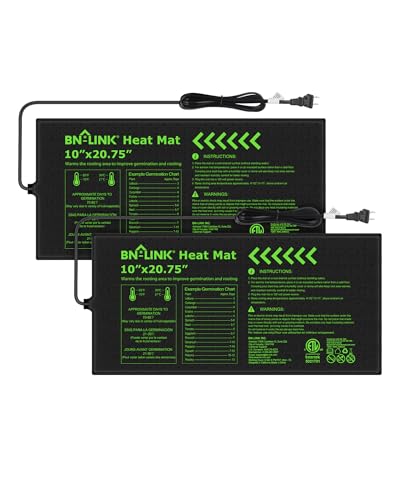
IDEAL GERMINATION TEMPERATURE: The BN-LINK seedling heat mats for seed starting helps maintain temperatures around 70°F to 85°F, the optimal range for seed germination, cutting propagation, and healthy seedling growth. Achieve faster germination and higher growth rates with seed heating mat.

Reliable Results: The VIVOSUN professional heat mat maintains optimal temperatures around 68-86℉ (20-30℃), perfect for Seedling start and cutting propagation; Made from durable PVC material, it's designed to last
Temperature Control
Maintaining the right temperature is key to ensuring the well-being of your pepper seedlings. Extreme temperatures can stunt growth or even cause irreversible damage. Here’s what you need to know:
- Ideal Range: Pepper seedlings thrive in temperatures between 70-80°F (21-27°C). Ensure they are not exposed to sudden drops or spikes in temperature.
- Protection: Shield your seedlings from cold drafts and excessive heat sources like radiators or direct sunlight that can scorch tender leaves.
- Monitoring: Invest in a thermometer to keep track of the temperature around your plants, especially if they are grown indoors or in a controlled environment.
- Adaptation: Adjust the temperature gradually when moving seedlings from indoor to outdoor settings to prevent shock.
Humidity and Ventilation Solutions
Proper humidity levels and ventilation are essential for the overall health of your pepper seedlings. Here’s how you can create an optimal environment:
- Humidity Levels: Aim for a humidity range of 50-70% for pepper seedling growth, as higher levels can lead to mold issues.
- Ventilation Importance: Good air circulation helps prevent fungal diseases by reducing excess moisture around the plants.
- Natural Methods: Utilize fans or open windows strategically to promote airflow without causing drafts that could harm delicate seedlings.
- Misting Technique: If humidity is too low, consider using a fine mist spray bottle occasionally near the plants rather than directly on them.
By controlling these environmental factors effectively, you’ll provide your pepper seedlings with a conducive setting for robust development and minimize potential issues that may hinder their growth journey.
Conclusion
Ensuring the success of your pepper seedlings requires attentiveness to their needs. By recognizing and addressing common problems like overwatering, nutrient deficiencies, and environmental factors, you can promote healthy growth. Remember to monitor your seedlings closely for any signs of distress and take proactive steps to provide them with the ideal conditions they require. With proper care and attention, you’ll set your pepper seedlings on the path to flourishing into robust plants that will reward you with a bountiful harvest. Stay vigilant, stay informed, and enjoy the journey of nurturing your pepper seedlings from delicate seeds into thriving plants.
Frequently Asked Questions
What are some common issues when growing pepper seedlings?
Pepper seedlings commonly face problems like overwatering and low light exposure, which can stunt their growth.
How can I correct nutrient imbalances in pepper seedlings?
Identify signs of deficiencies such as yellowing leaves and stunted growth. Conduct soil tests, use balanced fertilizers, foliar feed, incorporate organic amendments, and avoid over-fertilizing.
What environmental factors affect pepper seedling growth?
Temperature control, humidity levels, and ventilation solutions play a crucial role in the healthy growth of pepper seedlings.
Why is it important to address nutrient deficiencies and environmental factors early on?
Addressing these issues early ensures the health and robust growth of your pepper seedlings.
