

Are you wondering why your peas aren’t thriving as expected in your garden? Picture this: you’ve diligently planted your pea seeds, eagerly awaiting a bountiful harvest, only to find them struggling to grow. Fret not, as we’re here to help you troubleshoot and revitalize your pea plants.
Key Takeaways
- Check soil quality for proper drainage and fertility to support pea growth.
- Ensure consistent moisture supply, providing about 1 inch of water per week.
- Peas require at least 6-8 hours of direct sunlight daily for optimal growth.
- Maintain temperatures between 60-75°F (15-24°C) for healthy pea plants.
- Monitor weather conditions to protect peas from frost, excessive rain, or extreme heat.
- Implement pest and disease management strategies such as introducing beneficial insects and practicing good garden hygiene.
Common Reasons Why Peas Are Not Growing Well
Recommended Products

Kindly NOTE: This soil tester can not be applied to test pH value of any other liquid. If the soil is too dry the indicator will not move, and water it before testing.

Accurate Soil pH Testing: Dewildetradingco Soil pH Test Strips offer measurements of soil pH levels (pH 3.5-9). As an essential tool for every gardener and grower, these test strips help determine the optimal pH for various plants, such as outdoor plants, indoor plants, gardens, grass lawns, fruit trees, flowers, vegetables, and forest shrubs.

Comprehensive Soil Analysis: Liquid soil test kits offer a comprehensive analysis of essential soil parameters, including pH, ammonia, nitrogen, phosphorus, and potassium. Having all these measurements in one kit provides a holistic understanding of the soil's fertility and health.
Soil Quality Issues
Check your soil for potential problems. Peas require well-draining, fertile soil to thrive. Compacted or nutrient-deficient soil can hinder their growth. Test the pH level of your soil—it should ideally be slightly acidic to neutral, around 6.0-7.5, for optimal pea growth.
Insufficient Water Supply
Ensure your pea plants are receiving adequate water. Peas need consistent moisture throughout their growing season, especially during flowering and pod development. Lack of water can lead to stunted growth and poor pod formation. A general guideline is to provide about 1 inch of water per week through rainfall or irrigation.
Inadequate Sunlight Exposure
Evaluate the amount of sunlight reaching your pea plants. Peas thrive in full sun, requiring at least 6-8 hours of direct sunlight daily for robust growth and good harvests. Insufficient sunlight can result in leggy plants with fewer flowers and pods. If needed, consider pruning nearby vegetation that may be blocking sunlight from reaching your peas.
Impact of Climate on Pea Growth
Temperature Variations
Peas are sensitive to temperature changes. Consistent temperatures between 60-75°F (15-24°C) are ideal for pea growth. Extreme heat above 85°F (29°C) can stress the plants, affecting flower and pod development. Conversely, frost or cold snaps below 40°F (4°C) can damage young pea plants, leading to stunted growth or even death.
Unexpected Weather Patterns
Sudden weather fluctuations like unseasonal frosts or prolonged periods of rain can significantly impact pea plants. Frost can harm tender shoots and flowers, while excessive rain may cause waterlogged soil, depriving roots of oxygen and nutrients essential for healthy growth. It’s crucial to monitor weather forecasts and protect your pea plants during adverse conditions by using row covers or providing temporary shelter.
By understanding how climate influences pea growth and implementing strategies to mitigate adverse effects, you can help your peas thrive despite challenging environmental conditions.
Pest and Disease Management for Peas
Recommended Products

3-IN-1 PLANT CARE: 3-In-1 Insect, Disease & Plant Mite Control provides insect control, disease control, and plant mite control all in one; Rainproof protection starts in 4 hours and lasts up to 14 days

3-in-1 FORMULA: Aphid spray for outdoor plants for use on roses, flowers, shrubs and trees to control listed insects, disease and mites
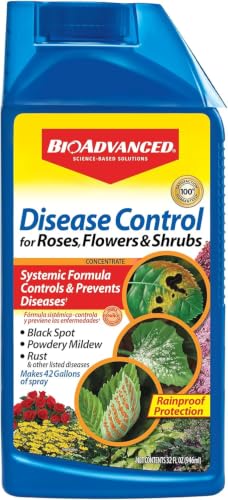
SYSTEMIC PLANT DISEASE CONTROL: Disease Control for Roses, Flowers, and Shrubs is a systemic formula that cures and prevents listed diseases for roses, flowers, shrubs, or even houseplants (treated outside)
Common Pests Affecting Peas
Peas can fall victim to various pests that hinder their growth. One common pest you may encounter is the pea aphid. These tiny insects feed on pea plants, causing stunted growth and yellowing leaves. To combat aphids, consider introducing beneficial insects like ladybugs or using insecticidal soap as a natural remedy. Another troublesome pest is the pea weevil, which lays eggs on developing peas, leading to damaged seeds. Practice crop rotation and proper garden hygiene to deter these pests from infesting your pea plants.
Diseases That Stunt Pea Growth
Diseases can also pose a threat to your pea plants’ health and productivity. One prevalent disease is powdery mildew, characterized by a white powdery substance on the plant’s leaves. To prevent powdery mildew, ensure good air circulation around your plants by spacing them adequately and avoiding overhead watering. Root rot is another concern for peas, often caused by waterlogged soil or fungal pathogens. Improve soil drainage and avoid overwatering to reduce the risk of root rot in your pea crop.
By staying vigilant for signs of pests and diseases while implementing proactive management strategies, you can protect your pea plants and promote healthy growth throughout the growing season.
Best Practices for Healthy Pea Plants
Recommended Products

High Phosphorus & Potassium Fertilizer – Designed to deliver elevated phosphorus and potassium for targeted plant support.


High Phosphorus & Potassium Fertilizer – Designed to deliver elevated phosphorus and potassium for targeted plant support.
Proper Planting Techniques
When planting pea seeds, ensure you sow them in well-draining soil with a pH level between 6.0 and 7.0. Plant the seeds about 1 to 1.5 inches deep and provide support like trellises or stakes as they grow to prevent them from sprawling on the ground. It’s essential to space the seeds properly, typically around 2-3 inches apart, to allow each plant enough room for growth.
Optimal Fertilization Strategies
For healthy pea plants, consider using organic fertilizers rich in phosphorus and potassium but low in nitrogen. Avoid over-fertilizing as excessive nitrogen can lead to lush foliage but poor pod development. A good practice is to apply a balanced fertilizer before planting and side-dress with a phosphorus-rich fertilizer when the plants start flowering to promote robust pod formation.
By following these best practices for planting techniques and fertilization strategies, you can ensure that your pea plants thrive and produce an abundant harvest in your garden.
Conclusion
Ensuring your pea plants thrive involves a careful balance of factors like soil quality, water, sunlight, and climate. Remember to monitor temperature fluctuations and adjust accordingly. Follow best practices such as planting in well-draining soil with the right pH level, spacing seeds correctly, and providing adequate support. Opt for organic fertilizers rich in phosphorus and potassium for healthy growth. By implementing these strategies, you can promote robust pod formation and enjoy bountiful harvests from your garden.
Frequently Asked Questions
What are the main challenges faced by pea plants in a garden setting?
Pea plants face challenges related to soil quality, water availability, sunlight exposure, and climate conditions.
How sensitive are pea plants to temperature variations?
Pea plants are highly sensitive to temperature changes, requiring consistent monitoring of unexpected weather fluctuations.
What are the best practices for healthy pea plants?
Healthy pea plants benefit from proper planting techniques in well-draining soil with a pH level between 6.0 and 7.0, adequate seed spacing, and structural support as they grow.
What fertilization strategies are recommended for optimal pea plant growth?
Optimal fertilization involves using organic fertilizers rich in phosphorus and potassium but low in nitrogen to prevent over-fertilization and promote robust pod formation.
