

Have you ever wondered if that crisp romaine lettuce in your salad is safe to eat? You’re not alone. Many people enjoy the fresh crunch of romaine but worry about potential health risks that often make headlines.
In this article, we’ll explore the safety of romaine lettuce, helping you make informed choices for your meals. You’ll learn about recent concerns, how to properly wash and store your greens, and tips for enjoying your favorite salads without worry. By the end, you’ll feel confident about adding romaine back into your diet.
Key Takeaways
- Contamination Risks: Romaine lettuce can be contaminated with harmful bacteria like E. coli and Salmonella, making proper washing and storage crucial for safety.
- Recent Outbreaks: Be aware of past outbreaks linked to romaine lettuce, particularly in 2017, 2018, and 2020, which highlight ongoing health concerns.
- Washing Techniques: Always rinse romaine under cold running water, use a clean brush for whole heads, and dry thoroughly to reduce contamination risks.
- Safe Storage: Store romaine lettuce in clean, airtight containers in the refrigerator at temperatures below 40°F to prevent bacterial growth and spoilage.
- Trusted Sources: Purchase romaine from reputable suppliers and stay informed about recalls or safety alerts from the CDC and FDA.
- Organic Options: Opt for organic romaine when possible to minimize exposure to pesticide residues and support safer farming practices.
Overview of Romaine Lettuce Safety
Romaine lettuce can pose health risks due to contamination, but understanding these risks helps you enjoy it safely. The primary concerns arise from bacteria like E. coli and Salmonella, often linked to outbreaks in the past. The Centers for Disease Control and Prevention (CDC) provides regular updates on these incidents, so checking for recalls and warnings before purchasing romaine is wise.
Recent Outbreaks
Recent outbreaks highlight the importance of caution. The CDC reported several E. coli outbreaks associated with romaine lettuce in the last few years. Symptoms of infection include stomach cramps, diarrhea, and vomiting. If you experience these symptoms after consuming romaine, seek medical attention promptly.
Proper Washing and Storage
To minimize risks, washing romaine lettuce properly is essential. Follow these steps:
- Rinse Under Cold Water: Hold the lettuce under cold running water to remove dirt and bacteria.
- Use a Clean Brush: For whole heads, consider using a vegetable brush.
- Dry Thoroughly: Use a clean towel or salad spinner to dry the leaves before consumption.
Store your romaine lettuce in the refrigerator at temperatures below 40°F. Keep it in a clean, airtight container to maintain freshness and reduce the chance of cross-contamination.
Enjoying Romaine Lettuce Safely
When preparing salads, here are some tips:
- Combine Different Greens: Mix romaine with other types of lettuce to reduce the risk of exposure.
- Add Heat: Cooking romaine can eliminate potential bacteria if you’re concerned about raw consumption.
- Choose Trusted Sources: Purchase romaine from reputable suppliers with quality control measures in place.
By staying informed and following these guidelines, you can enjoy romaine lettuce as a nutritious addition to your meals while minimizing health risks.
Recommended Products


Package includes: each set comes with 4 pieces of vegetable brushes, each in blue, rose red, yellow, green respectively, sufficient for daily using and replacing

WASH ALL YOUR VEGETABLES WITH THIS BRUSH
Common Contaminants in Romaine Lettuce
Romaine lettuce can harbor various contaminants, which pose health risks. Understanding these hazards helps you make safe choices.
Recommended Products
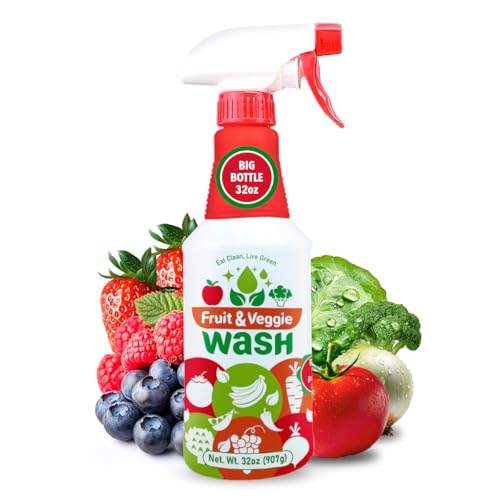
Fruit Wash Spray That Helps Lift Wax, Soil & Surface Residue: The foam clings to apples, grapes, potatoes, lettuce and other fresh produce, then rinses clean with no aftertaste, so fruits and veggies taste like themselves, not like soap

WASH WELL, BE WELL: safely removes wax, soil, agricultural chemicals, and handling residue found on both standard and organic fruits and veggies

USDA-certified Organic and Kosher (Orthodox Union) fruit and vegetable fruit and vegetable wash made with only wholesome, natural ingredients. Fit leaves no after taste or smell, unlike other fruit and veggie washes
Pathogens Linked to Romaine
Bacteria like E. coli and Salmonella frequently contaminate romaine. E. coli can cause severe gastrointestinal distress, while Salmonella often leads to fever and abdominal pain. In several outbreaks, contaminated romaine from specific regions contributed to widespread illness. The CDC regularly updates its data on these incidents, emphasizing the importance of monitoring for recalls and safety notices.
Pesticide Residues
Pesticide residues can also contaminate romaine. These chemicals, used to control pests and diseases, may remain on the leaves. Washing your romaine thoroughly under cold water helps minimize these residues. Choosing organic romaine can further reduce exposure to pesticides. Be sure to check for reputable labels when purchasing to ensure you’re getting a cleaner product.
Historical Outbreaks Related to Romaine Lettuce
Historical outbreaks of contamination involving romaine lettuce reveal significant public health concerns. Multiple incidents linked to pathogens like E. coli and Salmonella inform ongoing safety discussions.
Case Studies
- 2017 E. coli Outbreak
In 2017, an E. coli outbreak resulted in 25 states reporting illnesses. The CDC linked contaminated romaine from California’s Yuma region to 201 cases, leading to numerous hospitalizations. - 2018 E. coli Outbreak
Another notable outbreak occurred in 2018, affecting 62 people across 16 states. This incident involved romaine from the Central Coast of California. Increased awareness prompted more stringent recall actions. - 2020 Salmonella Outbreak
A Salmonella outbreak traced back to romaine affected 51 individuals in 15 states in the summer of 2020. The investigation pinpointed the Salinas Valley as the source, highlighting ongoing risks even in trusted regions.
Impact on Public Health
Outbreaks of romaine lettuce contamination pose significant threats to public health. Illnesses can lead to severe gastrointestinal symptoms and, in some cases, long-term complications. Each outbreak heightens awareness about food safety practices.
Regulatory agencies like the CDC and FDA closely monitor these incidents. They implement recalls and provide guidance, aiming to reduce future risks. Your awareness of these outbreaks and adherence to safety guidelines enhance your protection and well-being.
Guidelines for Safe Consumption
Ensuring the safety of romaine lettuce requires attention to washing, handling, and sourcing. Follow these simple guidelines to minimize risks.
Recommended Products

Ergonomic Handle & Easy Hanging: Ergonomic handles provide a comfortable grip and better control while scrubbing. Each brush includes a hanging hole and comes with a hook for convenient storage and air-drying.

Targeted Grid Cleaning – Designed specifically for cutter assemblies, this lettuce cutter brush reaches through grid openings to remove trapped food particles efficiently.
Washing and Handling Tips
- Rinse Thoroughly: Wash romaine leaves under cold running water. Even if you buy pre-washed lettuce, give it a quick rinse to remove any remaining bacteria.
- Use a Clean Brush: For whole heads, use a clean vegetable brush to scrub the outer leaves. This helps remove pathogens that may linger on the surface.
- Dry Well: After rinsing, dry the leaves with a clean paper towel or salad spinner. Moisture can harbor bacteria and lead to spoilage.
- Store Properly: Place dried leaves in a clean, airtight container. Keep the container in the refrigerator at temperatures below 40°F to prevent bacterial growth.
- Avoid Cross-Contamination: Use separate cutting boards and utensils for lettuce and raw meats. This reduces the risk of transferring harmful bacteria.
- Trusted Suppliers: Buy romaine from reputable grocery stores or farmers’ markets. Look for suppliers that adhere to safety standards and provide traceability.
- Check Recalls: Stay updated on recent recalls and safety alerts from the CDC and FDA. These organizations monitor outbreaks and provide knowledge on specific vendors or regions to avoid.
- Buy Organic: Consider choosing organic romaine when possible. Organic certifications can offer additional assurance regarding pesticide use and farming practices.
- Seasonal Awareness: Be mindful of the season. Certain regions may pose higher risks during specific times of the year due to growing conditions and past incidents.
By following these guidelines, you enhance your safety while enjoying romaine lettuce in your meals.
Conclusion
Staying informed and cautious is key when it comes to enjoying romaine lettuce. By following proper washing and storage techniques you can significantly reduce the risk of contamination. Always check for recalls and updates from the CDC to keep your meals safe.
Don’t hesitate to mix romaine with other greens or cook it to further minimize risks. Choosing organic options can also help you steer clear of pesticide residues.
With a little extra care you can savor the crisp freshness of romaine lettuce while keeping your health in check. Enjoy your salads knowing you’re taking the right steps for safety!
Frequently Asked Questions
What are the main health risks associated with romaine lettuce?
Romaine lettuce can be contaminated with harmful bacteria like E. coli and Salmonella, leading to severe gastrointestinal issues. Past outbreaks have highlighted these risks, making it crucial for consumers to be aware of safety practices and to monitor CDC updates for recalls.
How can I safely wash and store romaine lettuce?
To wash romaine, rinse it under cold running water and use a clean brush for whole heads. After rinsing, dry the leaves thoroughly. Store romaine in an airtight container in the refrigerator at temperatures below 40°F to maintain freshness and reduce contamination risk.
What symptoms should I watch for after consuming romaine?
Symptoms of infection from contaminated romaine can include stomach cramps, diarrhea, and vomiting. If you experience these symptoms after eating romaine, it’s important to seek medical attention promptly to address potential foodborne illness.
Should I choose organic romaine lettuce?
Choosing organic romaine can help reduce exposure to pesticide residues. Additionally, thorough washing of both organic and conventional romaine is recommended to ensure safety from chemicals and pathogens.
How can I stay informed about romaine lettuce recalls?
Stay updated by regularly checking the CDC and FDA websites for recall notices and safety updates. These agencies monitor outbreaks closely and provide guidance to consumers about safe food practices.
Are there specific seasons when romaine lettuce is riskier to consume?
Certain regions have higher risks during specific times of the year due to weather conditions and harvesting practices. It’s essential to stay aware of seasonal updates and advisories from health authorities regarding romaine safety.
