

Have you ever wondered if that crisp organic lettuce you picked up at the store is truly safe to eat? You’re not alone. With so much information out there about food safety and farming practices, it’s easy to feel confused about what’s best for your health.
Key Takeaways
- Organic Standards: Organic lettuce is grown without synthetic fertilizers, pesticides, or GMOs, ensuring a safer product for consumers.
- Sustainable Practices: Organic farming includes sustainable methods like crop rotation and natural pest control, which promote soil health and biodiversity.
- Pesticide Residues: Despite stricter regulations, organic lettuce can still carry minimal pesticide residues; thorough washing helps minimize this risk.
- Bacterial Contamination: Always check for freshness and handle organic lettuce properly to reduce the risk of bacterial contamination from pathogens like E. coli and Salmonella.
- Nutritional Benefits: Organic lettuce is often richer in essential nutrients and antioxidants compared to conventional varieties, supporting overall health.
- Smart Purchasing Tips: Look for the USDA Organic label, check for freshness indicators, and consider local sources to ensure you’re buying high-quality organic lettuce.
Understanding Organic Lettuce
Organic lettuce is a popular choice for many health-conscious consumers. Understanding its attributes and cultivation process can help you make informed decisions.
Recommended Products

Selected and stored fresh

365 by Whole Foods Market products give you that dance-down-the-aisles feeling, virtual aisles too!

Romaine lettuce is low in carbohydrates, sugar, and fiber
What Is Organic Lettuce?
Organic lettuce refers to lettuce grown without synthetic fertilizers, pesticides, or genetically modified organisms (GMOs). In organic farming, natural methods enhance soil health and reduce environmental impact. Labels marked as “USDA Organic” indicate compliance with strict agricultural standards. Varieties of organic lettuce include Romaine, Butterhead, and Leaf, each offering distinct flavors and nutritional benefits.
How Is It Grown?
Organic lettuce is grown using sustainable practices aimed at preserving soil fertility and biodiversity. Farmers use crop rotation, cover crops, and natural pest control methods, such as beneficial insects.
| Practice | Description |
|---|---|
| Crop Rotation | Alternating crops to improve soil health |
| Cover Crops | Planting other crops to prevent soil erosion |
| Natural Pest Control | Utilizing insects that prey on harmful pests |
Farmers also monitor environmental conditions, like moisture and temperature, to optimize growth. Understanding these practices highlights the commitment to producing lettuce that aligns with health and environmental goals.
Safety Concerns of Organic Lettuce
Understanding safety considerations related to organic lettuce is crucial for health-conscious consumers. You want to enjoy your salads without worry, so here are some key areas to consider.
Recommended Products

Organ veggie wash bottle 32oz

REMOVES DIRT, WAX & RESIDUE: Washes away soil, wax coatings and surface residue from apples, berries, greens, peppers and everything in between, rinsing clean with no taste and no smell left behind.
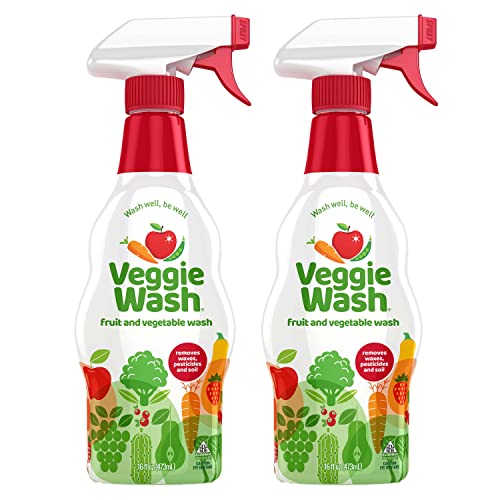
WASH WELL, BE WELL: safely removes wax, soil, agricultural chemicals, and handling residue found on both standard and organic fruits and veggies
Pesticide Use in Organic Farming
Organic farming limits pesticide use significantly. Organic growers must adhere to regulations set by the USDA, which allows only certain natural pesticides. These do not pose the same risks as synthetic alternatives. However, even organic produce can carry pesticide residues, albeit minimal.
You can wash organic lettuce thoroughly to reduce pesticide traces. Rinsing under running water for at least 30 seconds helps remove residues and any soil that may cling to the leaves.
Bacterial Contamination Risks
Bacterial contamination presents another concern with organic lettuce. Contamination can occur during various stages, from soil to harvesting and packaging. Pathogens like E. coli and Salmonella can thrive in environments where proper sanitation is lacking.
To mitigate these risks, always check for freshness. Choose organic lettuce with vibrant color and crisp texture. Store it in the refrigerator in a separate produce drawer. Before consumption, rinse the leaves under cold water. If you’re particularly cautious, you might consider using a produce wash or vinegar solution.
Remember, proper handling and preparation of any fresh produce play a significant role in ensuring food safety. By focusing on these practices, you can enjoy organic lettuce confidently.
Benefits of Eating Organic Lettuce
Eating organic lettuce offers several advantages that benefit your health and the environment. You enjoy fresh flavors, nutrient-dense options, and sustainable practices with every bite.
Nutritional Value
Organic lettuce often contains higher nutrient levels compared to conventional varieties. You may find increased amounts of vitamins A and C, fiber, and antioxidants. Varieties like Romaine and Butterhead are particularly rich in these nutrients. Eating a variety of organic lettuce enhances your diet, providing essential nutrients that support immune function and overall health.
Environmental Impact
Organic lettuce cultivation practices promote sustainability. You benefit from lower pesticide use, reduced synthetic fertilizer application, and improved soil health. Organic farming techniques, such as crop rotation and cover cropping, boost soil fertility. These methods increase biodiversity and reduce pollution, contributing to a healthier ecosystem. Choosing organic lettuce supports environmentally-friendly agriculture and helps protect your local environment.
Consumer Guidelines for Buying Organic Lettuce
When choosing organic lettuce, knowing what to look for helps you make the best choice.
What to Look For
- USDA Organic Label: Look for the USDA Organic seal. This label indicates adherence to strict organic farming standards.
- Freshness Indicators: Check for vibrant color and crisp leaves. Avoid any limp or yellowed lettuce.
- Packaging Details: If buying pre-packaged lettuce, inspect the date. Choose packages with the latest harvest date for optimal freshness.
- Local Sources: Buy from local farmers’ markets. Local produce often means shorter transit times, leading to fresher lettuce.
- Non-GMO Verification: While organic standards prohibit GMOs, products with a non-GMO label provide an added level of assurance.
- Rinse Thoroughly: Rinse lettuce under cold water for at least 30 seconds. This step removes dirt and any potential pesticide residues.
- Use a Salad Spinner: Utilize a salad spinner to dry the leaves after washing. This prevents sogginess when preparing salads.
- Tear, Don’t Cut: Tear leaves instead of cutting them for salads. Tearing reduces cell damage, helping maintain nutrients.
- Store Properly: Keep washed and dried lettuce in a sealed container with a paper towel. This prevents excess moisture from promoting spoilage.
- Include Other Ingredients: Mix organic lettuce with other fresh vegetables, nuts, or proteins. This combination boosts nutrition and enhances flavor.
By following these guidelines, you can enjoy organic lettuce confidently, knowing that you’re making informed choices for your health.
Conclusion
Eating organic lettuce can be a safe and nutritious choice for your meals. By following simple practices like washing your lettuce and checking for freshness, you can enjoy all the benefits it offers without worry.
Choosing organic not only supports your health but also promotes sustainable farming practices that care for the environment. So next time you’re at the store or farmer’s market, feel confident in selecting organic lettuce for your salads and dishes. It’s a delicious way to nourish yourself while making a positive impact on the planet.
Frequently Asked Questions
What is organic lettuce?
Organic lettuce is lettuce grown without synthetic fertilizers, pesticides, or genetically modified organisms (GMOs). It is cultivated using sustainable practices that enhance soil health and reduce environmental impact.
Is organic lettuce safe to eat?
Yes, organic lettuce is generally safe to eat. While it may have minimal pesticide residues and can be susceptible to bacterial contamination, proper washing and handling can reduce these risks.
How do I wash organic lettuce?
To wash organic lettuce, rinse each leaf under cold running water. A salad spinner can help remove excess water. Ensure all leaves are clean to minimize any pesticide residues and bacteria.
What are the health benefits of organic lettuce?
Organic lettuce often contains higher levels of vitamins A and C, fiber, and antioxidants compared to conventional types. Varieties like Romaine and Butterhead are particularly nutritious, benefiting your overall health.
How can I buy fresh organic lettuce?
When buying organic lettuce, look for the USDA Organic label, check for freshness indicators like vibrant color and crisp leaves, and consider purchasing from local sources to ensure quality.
Why is organic farming better for the environment?
Organic farming minimizes synthetic pesticide and fertilizer use, promotes biodiversity, and enhances soil health. This cultivation method helps create a more sustainable agriculture system that benefits ecosystems.
What are some common varieties of organic lettuce?
Popular varieties of organic lettuce include Romaine, Butterhead, and Leaf lettuce. Each type offers unique flavors and textures, along with various nutritional benefits.
How should I store organic lettuce?
Store organic lettuce in the refrigerator in a sealed container or a produce bag. Keeping it dry and cool helps maintain freshness and prevents spoilage.
Can organic lettuce have pesticides?
Yes, organic lettuce may contain minimal pesticide residues approved by USDA regulations. However, these are typically natural pesticides and are generally considered safer than synthetic options.
What’s the best way to prepare organic lettuce?
To prepare organic lettuce, rinse it thoroughly, dry it with a salad spinner, and consider tearing leaves instead of cutting them to preserve nutrients. Mixing with other fresh ingredients enhances flavor and nutrition.
