

Ever wondered when lettuce is at its freshest? If you’ve ever strolled through the grocery store or farmer’s market, you’ve likely seen a variety of lettuce options, but knowing when they’re in season can make all the difference in taste and quality.
Key Takeaways
- Lettuce Seasons: Lettuce is best enjoyed in spring and fall when temperatures are cooler, enhancing flavor and quality.
- Varieties by Season: Spring features butterhead, red leaf, and green leaf; summer offers heat-tolerant types like romaine; fall welcomes butterhead and crisphead; winter may limit varieties, but hydroponic options are available.
- Temperature Preferences: Lettuce thrives between 60°F and 70°F, with higher temperatures causing bitterness and bolting.
- Soil Conditions: Well-draining, loamy soil rich in organic matter and a pH of 6.0 to 7.0 are ideal for growing healthy lettuce.
- Regional Availability: Seasonal availability differs between the Northern and Southern Hemispheres; understanding local climate helps in selecting the freshest lettuce.
- Choose In-Season: Opting for in-season lettuce maximizes flavor, texture, and nutritional value, enhancing your salads and dishes.
Understanding Lettuce Seasons
Lettuce grows in different seasons, and knowing when it’s available can enhance your salads and sandwiches. Generally, lettuce thrives in cooler temperatures, making spring and fall the best seasons for many varieties.
Spring Season
- Availability: Lettuce is at its peak during late winter through early spring.
- Varieties: Popular types include butterhead, red leaf, and green leaf lettuce.
- Flavor: Spring lettuce often tastes milder and sweeter.
Summer Season
- Challenges: High temperatures can cause lettuce to bolt, or flower, making it bitter.
- Varieties: Heat-tolerant types like romaine and oakleaf may perform better.
- Harvest: Aim to harvest early in the morning to ensure crispness.
Fall Season
- Availability: Late summer through fall sees a resurgence in lettuce varieties.
- Varieties: Ideal options include butterhead and crisphead.
- Flavor: Cooler temperatures enhance sweetness as flavors develop.
Winter Season
- Availability: In many regions, lettuce growth slows significantly. However, greenhouse-grown and hydroponic options exist.
- Varieties: Some farms provide varieties like romaine and leaf lettuce year-round.
- Flavor: Winter lettuce might be less flavorful than spring and fall varieties.
- Climate Impact: Your local climate influences when lettuce is in season.
- Regional Differences: Consult local farmers’ markets to determine what’s freshest in your area.
Understanding these seasonal patterns helps you select the best lettuce for your culinary creations. When you choose in-season lettuce, you enjoy better flavor, texture, and nutritional value.
Types Of Lettuce
Understanding different types of lettuce helps you choose the best options for your salads and dishes. Here are some common varieties:
Recommended Products

Selected and stored fresh

365 by Whole Foods Market products give you that dance-down-the-aisles feeling, virtual aisles too!

Selected and stored fresh
Butterhead Lettuce
Butterhead lettuce is known for its soft, tender leaves and slightly sweet flavor. This variety has a loose rosette shape and comes in two main types: Boston and Bibb. You can enjoy butterhead lettuce in salads, sandwiches, or wraps. Its delicate texture makes it ideal for fresh dishes, and it pairs well with creamy dressings or simple vinaigrettes.
Romaine Lettuce
Romaine lettuce features crisp, upright leaves and a robust flavor. This variety is rich in nutrition, offering vitamins A, C, and K. Romaine works well in salads, especially Caesar salads, due to its sturdy leaves that hold up against heavy dressings. Grilled romaine, a popular dish, adds a smoky flavor and interesting texture. Look for vibrant green leaves without browning for the best quality.
Iceberg Lettuce
Iceberg lettuce is crisp and crunchy, known for its mild flavor. Its tightly packed head makes it a favorite for burgers and sandwiches, providing a satisfying crunch. Although it’s often seen as less nutritious than other varieties, iceberg offers hydration with high water content. Use it as a refreshing base for salads or as a topping for tacos and wraps. Fresh iceberg should feel firm and heavy.
Growing Conditions For Lettuce
Lettuce thrives in specific growing conditions that significantly impact its flavor and quality. Understanding these requirements helps you cultivate or choose the best lettuce for your needs.
Recommended Products
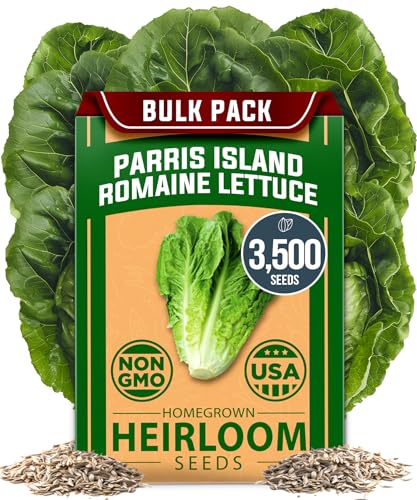
HIGH GERMINATION RATE FOR RELIABLE GROWTH - Our Parris Island Romaine Lettuce Seeds boast an impressive germination rate. High quality and rapid sprouting heirloom lettuce seeds ensuring a bountiful harvest for your vegetable garden.

CLASSIC ROMAINE VARIETY – Parris Island Cos lettuce (Lactuca sativa var. longifolia) produces tall, crisp green heads with tender hearts and a fresh, mild flavor perfect for Caesar salads

PERFECT FOR ALL GARDENERS – Beginner-friendly and a favorite among experienced growers; ideal for backyard gardens, raised beds, hydroponics, and even indoor containers.
Temperature Requirements
Lettuce flourishes in cooler temperatures, ideally between 60°F and 70°F (15°C to 21°C). Spring and fall provide the perfect environment, where day lengths are longer and conditions more stable. During hot summer months, temperatures above 75°F (24°C) can stress lettuce plants, leading to bitterness and bolting. If you choose heat-tolerant varieties, such as romaine, you can extend your growing season into the warmer months. For successful growth, monitor local temperatures to determine the best times to sow lettuce seeds.
Soil Preferences
Lettuce prefers well-draining, loamy soil rich in organic matter. Aim for a soil pH between 6.0 and 7.0 to encourage healthy growth. Incorporating compost or well-rotted manure improves soil structure and nutrients. Prior to planting, till the soil to ensure it’s aerated, which supports robust root growth. Additionally, keeping soil consistently moist is crucial; avoid standing water to prevent rot. Testing soil fertility can also guide you in adjusting nutrient levels for optimal lettuce production.
Seasonal Availability
Understanding when lettuce is in season ensures you enjoy the freshest and most flavorful varieties. Lettuce’s availability varies between the Northern Hemisphere and Southern Hemisphere due to seasonal climate differences.
Recommended Products

🥬 Classic French Butterhead Lettuce: Marvel of Four Seasons is a traditional French butterhead variety known for forming beautiful, firm round heads with tender buttery leaves and attractive bronze-tinged color. The compact plants grow quickly and produce crisp, mild greens that are perfect for fresh salads and garden meals. Gardeners appreciate this variety for its dependable head formation and attractive appearance in garden beds.

🥬 Winter Density Lettuce: 65 days until Maturity. Latin Name: Lactuca sativa. Open Pollinated. The plant produces heavy yields of dark green romaine lettuce. Leaves are tightly folded and have a delicious sweet flavor. Lettuce retains its crisp sweetness best when harvested in the morning.
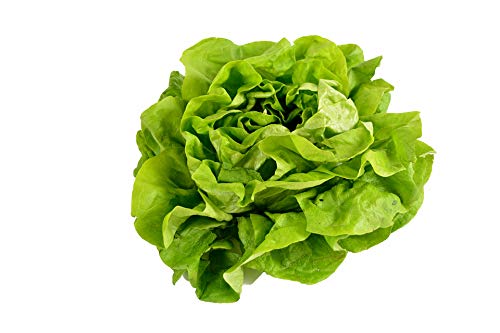
This lettuce is well known for its sweet flavor. Best if harvested in the morning.
Northern Hemisphere
In the Northern Hemisphere, spring and fall represent the prime growing seasons for lettuce. Lettuce planting typically begins in March, with optimal harvesting extending into June. During this time, varieties like butterhead, red leaf, and romaine flourish, providing a mild flavor and crisp texture. The cooler temperatures between 60°F and 70°F (15°C to 21°C) create ideal conditions. By late summer, heat can stress lettuce, leading to bitterness unless you choose heat-tolerant types. Fall brings another wave of lettuce harvests, often from late September through November, enhancing sweetness as temperatures drop.
Southern Hemisphere
In the Southern Hemisphere, lettuce thrives primarily from September to May, aligning with the cooler months. Spring planting occurs around September, with peak harvesting times from November to January. Varieties such as butterhead and romaine offer excellent flavors during this period. Summer heat, particularly in January and February, can pose challenges, making it advantageous to select heat-resistant varieties. As temperatures cool down in April and May, you can expect a resurgence in taste and quality.
Conclusion
Understanding when lettuce is in season can truly elevate your meals. You’ll enjoy fresher flavors and better textures when you choose the right varieties at the right times. Spring and fall are your best bets for peak quality while summer may require a bit more care in your selection.
Don’t forget to explore the different types of lettuce available. Each has its unique taste and texture that can enhance your dishes. By keeping seasonal availability in mind and being mindful of local growing conditions, you can make the most of your lettuce choices all year round. Happy eating!
Frequently Asked Questions
When is lettuce in season?
Lettuce is typically in season during spring and fall. In the Northern Hemisphere, planting begins in March and peak harvesting occurs from late spring to early summer, then again in the fall from late September through November. The Southern Hemisphere sees the best lettuce from September to May, particularly between November and January.
What types of lettuce are best for salads?
Popular types of lettuce for salads include butterhead, romaine, and red leaf. Butterhead has tender, sweet leaves, while romaine offers a crisp texture and robust flavor. Red leaf adds visual appeal and a mild taste, making all three great choices for enhancing your dishes.
How does temperature affect lettuce growth?
Lettuce thrives in cooler temperatures between 60°F and 70°F (15°C to 21°C). While spring and fall provide ideal growing conditions, high summer temperatures can lead to bitterness unless heat-tolerant varieties are selected. Cooler weather helps maintain the lettuce’s sweetness.
What is the best soil for growing lettuce?
Lettuce grows best in well-draining, loamy soil rich in organic matter. The ideal pH is between 6.0 and 7.0. Incorporating compost can enhance soil quality, and maintaining consistent moisture is essential for healthy growth.
Can I find lettuce year-round?
Yes, while fresh lettuce is seasonal, greenhouse and hydroponic options are available year-round. However, these varieties may be less flavorful compared to those harvested during peak seasons in spring and fall.
