

Are you wondering if you can still enjoy fresh lettuce from your garden as the temperatures drop? Many home gardeners face this question as they plan their fall planting. Lettuce is a versatile vegetable, but knowing when to plant it can make all the difference in your harvest.
Key Takeaways
- Lettuce Varieties Matter: Focus on cool-season varieties like Butterhead, Romaine, and Looseleaf for successful fall planting, as they thrive in colder temperatures.
- Ideal Growing Conditions: Maintain soil temperatures between 60°F and 70°F with well-draining, nutrient-rich soil to support optimal lettuce growth.
- Optimal Planting Time: Plan to sow lettuce seeds from mid-August to late September, ideally 6-8 weeks before the first expected frost in your area.
- Pest Control Benefits: Fall gardening generally experiences fewer pests and diseases, making it easier to manage crops with strategies like row covers and companion planting.
- Flavor Enhancement: Cooler temperatures during fall growth periods enhance the flavor of Lettuce, making fall-grown varieties tastier than those grown in warmer months.
Understanding Lettuce Varieties
Lettuce comes in various types, each thriving in different seasons. Knowing which varieties suit fall planting can help you maximize your harvest.
Recommended Products

YEAR-ROUND GARDEN FAVORITE – Dependable butterhead lettuce that thrives in cool or moderate weather for consistent harvests from spring through fall, even under cover in winter

ABUNDANT AUTUMN & WINTER HARVEST: Unlock a generous bounty of the finest autumn and winter vegetables from our carefully curated collection. Designed for fast results, effortless care, and high yields, this premium assortment allows you to plant new crops multiple times per season. Experience the joy of growing robust, cold-hardy varieties that thrive in shorter daylight hours and cooler temperatures.
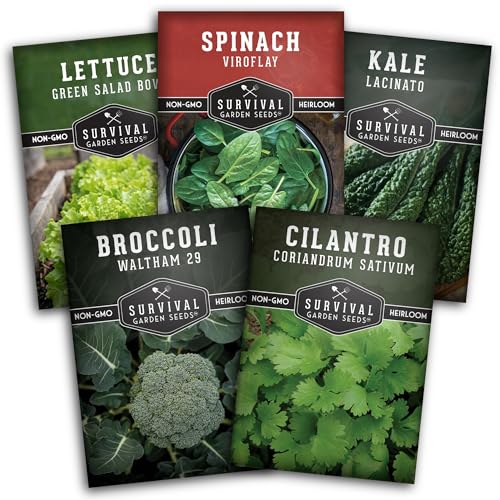
5 COOL SEASON VARIETIES – Includes Broccoli Waltham 29, Kale Lacinato, Lettuce Green Salad Bowl, Spinach Viroflay, and Cilantro for versatile garden harvests
Cool-Season Lettuce Types
Cool-season lettuces thrive in temperatures ranging from 60°F to 70°F. These types are well-suited for fall planting and can withstand mild frosts. Popular varieties include:
- Butterhead: Known for its tender leaves and smooth texture, butterhead lettuce has varieties like ‘Boston’ and ‘Bibb.’
- Romaine: Crisp and robust, romaine lettuce comes in types such as ‘Parris Island’ and ‘Little Gem,’ making it a favorite for salads.
- Looseleaf: This variety grows quickly and offers a range of colors, with types including ‘Red Romaine’ and ‘Green Oakleaf.’
These cool-weather varieties can be sown directly in your garden or started indoors and transplanted later.
Warm-Season Lettuce Types
Warm-season lettuces flourish in temperatures between 70°F and 80°F. These varieties struggle as temperatures cool in the fall. However, some types may still be grown earlier in the season. Here are a few:
- Iceberg: Renowned for its crispness, iceberg lettuce thrives in warm temperatures but bolts quickly as it cools, making it less ideal for fall.
- Butter Crisp: This variety is a hybrid between butterhead and crisphead. It can tolerate slightly cooler temperatures but prefers warmth.
- Crisphead: Varieties such as ‘Summer Crisp’ enjoy warm conditions but also tend to bolt if temperatures drop too swiftly.
For successful fall planting, focus primarily on cool-season varieties, as warm-season types may not yield a fruitful harvest.
Growing Conditions for Lettuce
Lettuce thrives in specific growing conditions that cater to its cool-season nature. Understanding these requirements helps you achieve a successful fall harvest.
Recommended Products

Complete Lettuce Garden Starter Kit Indoor – 5 heirloom salad and green seed packets, 8 biodegradable soil disks, 8 plant markers, and 8 starter pots. Romaine, Spinach, Arugula, Kale and Buttercrunch lettuce heirloom seeds are the star of the set!
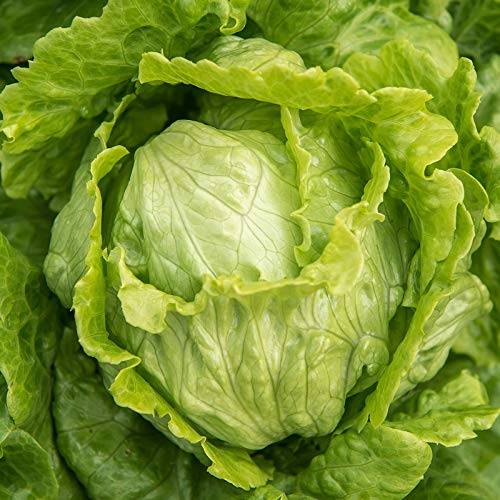
Crisphead lettuce offer greens with a nice toothy, snap and sweet flavor that complements any dressing.

We grow a variety of edible seasonal seedlings (aka plugs/starts/transplants) that will flourish in your soil or hydroponic garden.
Ideal Temperature Ranges
Lettuce prefers temperatures between 60°F and 70°F. Cool-season varieties, such as Butterhead and Romaine, flourish in these conditions and can even handle mild frosts. Plant your lettuce when nighttime temperatures consistently stay within this range for optimal growth. If temperatures drop below 50°F, you may notice slower growth. Avoid planting warm-season varieties, like Iceberg, as they tend to bolt and become bitter in cooler weather.
Soil Requirements
Lettuce demands well-draining soil rich in organic matter. Aim for a pH level between 6.0 and 6.8, which facilitates nutrient absorption. Amend your soil with compost to improve fertility and drainage. Keep soil consistently moist but not soggy; lettuce grows best when the soil maintains adequate moisture. Mulching around your plants helps retain moisture and suppress weeds, creating an ideal environment for your lettuce to flourish.
Timing for Fall Planting
Timing for fall planting is essential for a successful lettuce harvest. You’ll want to plant your lettuce when temperatures start to cool, typically in late summer or early fall.
Best Planting Dates
For many regions, mid-August to late September is the prime window for planting cool-season lettuce varieties. If you live in a warmer climate, you might extend this period into early October. Monitor local frost dates; planting 6 to 8 weeks before your area’s first expected frost maximizes your chances for a tasty harvest.
Factors Influencing Timing
Several factors play a role in determining the best planting times:
- Temperature: Lettuce grows best in temperatures between 60°F and 70°F. Planting when nighttime temperatures are consistently within this range encourages healthy growth.
- Frost Resistance: Choose varieties known for their frost tolerance, like Romaine and Butterhead. These can withstand light frosts, extending your growing season.
- Soil Conditions: Test your soil’s temperature and moisture. It should be warm enough, around 50°F or higher, before planting. If the soil is too cold, growth may stall.
- Day Length: Shorter daylight hours in fall signal to lettuce to mature rapidly. Understanding how this affects your variety can guide your planting schedule.
By considering these factors, you can optimize your fall planting for a rewarding lettuce garden.
Benefits of Growing Lettuce in Fall
Growing lettuce in fall offers several advantages for home gardeners. Cooler temperatures promote healthy growth, while ample rainfall can eliminate the need for frequent watering.
Pest and Disease Management
Growing lettuce in fall typically reduces pest and disease pressures common in warmer months. Fewer insects, such as aphids and slugs, thrive in cooler weather. Here’s how to manage any potential issues:
- Monitor Regularly: Check for pests weekly. Early detection prevents outbreaks.
- Use Row Covers: Protect seedlings from pests with lightweight row covers.
- Employ Companion Planting: Pairing lettuce with plants like marigolds can deter harmful insects.
Improved Flavor and Quality
Fall-grown lettuce often boasts enhanced flavor and quality, as cooler temperatures slow growth and build sugars. Varieties such as Butterhead and Romaine develop a rich taste under these conditions. To maximize flavor and quality:
- Select Cool-Season Varieties: Choose varieties known for their taste, such as Red Leaf or Green Leaf.
- Harvest at the Right Time: Pick leaves early in the day when they’re crisp for the best flavor.
- Avoid Heavy Fertilizer Use: Too much fertilizer can dilute flavors. Focus on maintaining healthy soil instead.
Implementing these strategies ensures gardeners reap the full benefits of growing lettuce in fall, resulting in a bountiful and flavorful harvest.
Conclusion
Growing lettuce in the fall can be a rewarding experience if you choose the right varieties and timing. By focusing on cool-season types you can enjoy fresh and flavorful greens even as temperatures drop. Remember to pay attention to soil conditions and moisture levels to create the best environment for your lettuce.
With a little planning and care you can maximize your harvest and savor the benefits of fall gardening. So grab those seeds and get ready to enjoy a bountiful lettuce crop this fall. Happy gardening!
Frequently Asked Questions
What types of lettuce are best for fall gardening?
Cool-season varieties such as Butterhead, Romaine, and Looseleaf are ideal for fall gardening. They thrive in temperatures between 60°F and 70°F and can handle mild frosts. Warm-season varieties like Iceberg are less suitable for cooler conditions and are likely to bolt.
When should I plant lettuce for a fall harvest?
The best time to plant lettuce for a fall harvest is from mid-August to late September. For gardeners in warmer climates, you can extend this planting window into early October. Ensure you plant 6 to 8 weeks before the first expected frost.
What are the ideal growing conditions for lettuce?
Lettuce prefers well-draining soil rich in organic matter with a pH level between 6.0 and 6.8. It thrives in temperatures between 60°F and 70°F, and you should maintain consistent moisture without sogginess. Use mulch to help retain moisture and suppress weeds.
How do I protect my lettuce from pests?
To protect your fall-grown lettuce from pests, regularly monitor your plants for signs of infestation. Using row covers can also deter harmful insects. Consider companion planting to attract beneficial insects that prey on pests.
Why is fall lettuce often more flavorful?
Fall-grown lettuce tends to be more flavorful due to the cooler temperatures, which slow down growth and concentrate flavors. Additionally, managing nutrients properly and avoiding heavy fertilizer use can further enhance the taste of your lettuce.
