

Have you ever wondered why your lettuce bolts in the summer heat? If you’ve tried growing this leafy green, you know that timing is everything. Understanding whether lettuce is a cool weather crop can make all the difference in your garden’s success.
Key Takeaways
- Lettuce is primarily a cool weather crop, thriving in temperatures between 60°F and 70°F, which prevents bolting and maintains flavor.
- The ideal planting time for lettuce is in early spring or late summer to maximize yield, as these seasons provide the most favorable conditions.
- There are three main types of lettuce suited for cool weather: Crisphead, Butterhead, and Looseleaf, each with specific planting and care requirements.
- Growing lettuce in cooler temperatures enhances its flavor profile by increasing sugar content, resulting in sweeter leaves.
- Cooler weather also reduces the incidence of pests, leading to healthier lettuce plants and minimizing the need for pesticides.
- Gardeners must be cautious of frost and ensure optimal soil temperatures for germination to achieve successful lettuce cultivation.
Overview of Lettuce Growing Conditions
Lettuce thrives in cool weather, making it essential to understand its growing conditions for successful cultivation.
Defining Cool Weather Crops
Cool weather crops prefer temperatures ranging from 45°F to 75°F. These plants do not handle heat well. In fact, exposure to high temperatures can lead to bolting, which is when lettuce flowers and produces seeds. This process causes the leaves to become bitter and unpalatable. Favorable examples of cool weather crops include spinach, peas, and kale. Timing your planting is crucial; making sure to sow seeds in early spring or late summer maximizes your yield.
Ideal Temperature Ranges for Lettuce
Ideal temperatures for lettuce growth fall between 60°F and 65°F. Temperatures above 70°F can stress the plants. Stress often results in bolting, reducing overall quality. Monitoring soil temperature also helps; soil temperatures should ideally be around 55°F to 65°F for optimal germination. For the best results, plant your lettuce seeds indoors 4 to 6 weeks before the last frost, then transplant them outdoors when soil temperatures reach the ideal range. Choosing a variety suited for your climate, such as Butterhead or Leaf lettuce, increases chances of success.
Types of Lettuce Suited for Cool Weather
Lettuce thrives in cool weather, but not all varieties perform equally well. Understanding which types to grow can help you maximize your harvest. Below are three key categories of lettuce that are particularly suited for cool temperatures.
Recommended Products
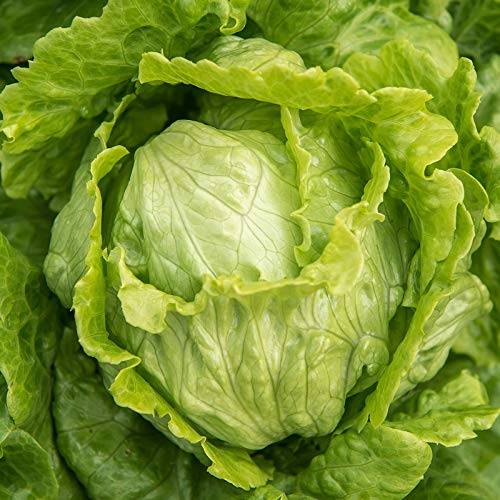
Crisphead lettuce offer greens with a nice toothy, snap and sweet flavor that complements any dressing.

Beautiful - Full color packet of Iceberg Lettuce Seed (Lactuca sativa). Popular crisphead lettuce with mild, sweet taste, crisp texture, and pale green leaves. Produces a cabbage-like head of lettuce you’ll want to harvest all at once. Makes a delicious base for salad. Enjoy successive crops and fresh produce through multiple seasons, ensuring your kitchen is always stocked with delectable leafy greens without any off-season gaps. Minimum of 600mg per packet (about 340 seeds).

Produces a firm head of lettuce perfect for salads, popular salad green that is known for its crisp texture and mild flavor
Crisphead Lettuce
Crisphead lettuce, commonly known as Iceberg, prefers cool weather for optimal growth. This variety develops tightly packed heads that are crunchy and refreshing. Aim to plant Crisphead lettuce in early spring or late summer when temperatures range from 60°F to 70°F. Monitor for signs of stress, such as wilting, as high heat can lead to bolting. Popular cultivars include ‘Great Lakes’ and ‘Summit.’
Butterhead Lettuce
Butterhead lettuce, characterized by its soft, tender leaves, thrives in cooler conditions. Cultivars like ‘Bibb’ and ‘Boston’ provide a delicate flavor perfect for salads and sandwiches. This type grows best when planted in early spring, where temperatures stay within 60°F to 70°F. Keep soil consistently moist to prevent wilting, ensuring a healthy crop.
Looseleaf Lettuce
Looseleaf lettuce offers versatility in both flavor and texture, making it an excellent choice for cool weather. Varieties include ‘Red Romaine’ and ‘Green Leaf,’ which grow quickly and can be harvested continuously. Plant during early spring or late summer, maintaining temperatures around 50°F to 70°F for best results. Regular harvesting encourages new growth, allowing you to enjoy fresh greens longer.
Benefits of Growing Lettuce in Cool Weather
Growing lettuce in cool weather offers several advantages that contribute to both flavor and health. Understanding these benefits helps maximize your garden’s potential.
Recommended Products
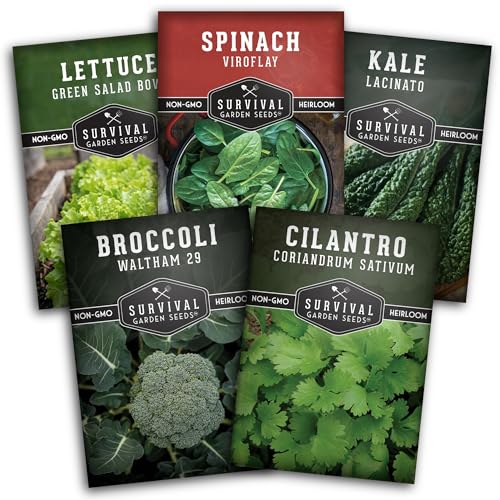
5 COOL SEASON VARIETIES – Includes Broccoli Waltham 29, Kale Lacinato, Lettuce Green Salad Bowl, Spinach Viroflay, and Cilantro for versatile garden harvests


Dual Variety for Flavor & Contrast: This blend features two complementary butterhead lettuces—Roxy and Mirlo—selected for their contrasting yet balanced appearance, taste, and performance. Roxy offers bold red, ruffled outer leaves with a dense, green center, while Mirlo brings soft, creamy green foliage with mild, succulent flavor. Together, they deliver both visual variety and a gourmet-quality eating experience.
Enhanced Flavor Profiles
Lettuce tends to develop richer flavors when grown in cooler temperatures. Cooler weather enhances sugars in lettuce, resulting in sweeter leaves. For example, Butterhead lettuce often tastes buttery and sweet when harvested in spring or fall. Harvesting during cool periods ensures you enjoy crisp and flavorful greens.
Reduced Pest Incidence
Cooler temperatures decrease the activity of common pests that typically affect lettuce. Aphids and caterpillars thrive in warmer conditions, which means growing lettuce in cooler weather significantly reduces pest presence. This leads to healthier plants with fewer pesticide applications. For instance, planting in early spring or late summer may provide a natural barrier against pests, allowing for a more organic gardening approach.
Challenges of Growing Lettuce in Cooler Climates
Growing lettuce in cooler climates presents unique challenges for gardeners. While lettuce prefers cool temperatures, frosty conditions and germination issues can complicate successful cultivation.
Recommended Products

Product Features: Our plant covers are ideal for protecting all plant. Made from premium 1 oz/sq non-woven fabric, their durability and breathability ensuring both insulation against frost and facilitation of sunlight penetration for healthy plant growth

※Big Size to cover large area : The size of our plant cover is 10x30ft, the size can cover large areas. You can cut the plant covers freeze protection into different sizes for different use. You can cover it over the plant such as shrub tomato, pepper, pumpkin, and so on.

THICKER MATERIAL: Our plant freeze protection cover is made of UV stabilized polypropylene. Upgraded thicker 0.9oz./sq.yard lightweight but durable. Soft plant covers are friendly and no harm to your plants. Breathable non-woven fabric allow light, air go through the frost cloths and reach the plants.
Frost Sensitivity
Lettuce is sensitive to frost damage. Frost can occur even in late spring or early fall, posing a risk to young plants. It’s crucial to protect seedlings when temperatures drop below freezing. Use row covers, cloches, or blankets to shield plants from cold snaps. For extra protection, consider planting in a raised bed, which warms faster and can mitigate frost risk.
Seed Germination Issues
Seed germination can be problematic in cooler climates. While lettuce seeds germinate at temperatures as low as 40°F, optimal conditions occur between 65°F and 70°F. If soil temperatures drop too low, seeds may not sprout or take longer to germinate. Utilize a soil thermometer to check temperatures before planting. To enhance germination rates, cover seeds with a light layer of mulch to retain heat and moisture. Additionally, starting seeds indoors and transplanting them after the last frost can provide a head start on the growing season.
Conclusion
Growing lettuce can be a rewarding experience when you understand its cool weather preferences. By timing your planting for early spring or late summer you can enjoy a bountiful harvest of crisp and flavorful leaves. Remember to choose the right varieties for your climate and keep an eye on soil temperatures for optimal growth.
With a little care and attention you can navigate the challenges of frost sensitivity and bolting. Embracing the cool weather will not only enhance the taste of your lettuce but also help you cultivate healthier plants. So grab your seeds and get ready to enjoy the fresh crunch of homegrown lettuce in your salads. Happy gardening!
Frequently Asked Questions
What causes lettuce to bolt in summer?
Lettuce bolts when exposed to high temperatures, typically above 75°F. This natural response triggers flowering, leading to bitter leaves. To prevent bolting, it’s essential to plant lettuce in cooler weather, ideally between 45°F and 75°F.
When is the best time to plant lettuce?
The best time to plant lettuce is early spring or late summer. Planting during these periods ensures cooler temperatures, which are ideal for lettuce growth and helps avoid the risk of bolting.
What types of lettuce are best for cooler weather?
Crisphead, Butterhead, and Looseleaf varieties are well-suited for cooler weather. Each type thrives in temperatures between 60°F and 70°F, making them ideal choices for early spring and late summer planting.
How does growing lettuce in cool weather benefit flavor?
Cool weather enhances the flavor of lettuce, particularly Butterhead varieties, which become sweeter when grown in cooler conditions. Lettuce harvested in cooler months offers richer taste profiles compared to those grown in heat.
What should I do to protect lettuce from frost?
To protect lettuce from frost, consider using row covers or planting in raised beds. These methods can shield plants from frost damage, especially in late spring or early fall when temperatures can unexpectedly drop.
How can I improve lettuce seed germination rates?
To improve germination rates, check soil temperatures and ensure they are between 65°F and 70°F. Using mulch can help retain warmth and moisture, while starting seeds indoors before the last frost can enhance success.
