

Have you ever wondered if that fresh romaine lettuce from Kroger is safe to eat? You’re not alone. With all the news about food safety and recalls, it’s easy to feel uncertain about what’s on your plate.
Key Takeaways
- Common Risks: Romaine lettuce is associated with foodborne pathogens like E. coli and Listeria, which can lead to serious health issues if ingested.
- Recent Recalls: Stay updated on recent recalls, particularly those affecting romaine lettuce from Kroger, to ensure safe consumption.
- Safe Handling Practices: Always wash your hands, rinse lettuce thoroughly, dry it, and store it properly to reduce contamination risks.
- Choosing Fresh Produce: Select romaine lettuce with crisp, undamaged leaves, paying attention to packaging and expiration dates to guarantee freshness.
- Stay Informed: Regularly check official sources like the CDC and USDA for food safety alerts and recall information related to romaine lettuce.
- Cross-Contamination Awareness: Prevent cross-contamination by maintaining separate utensils and surfaces for lettuce and raw meats.
Overview of Romaine Lettuce Safety
Romaine lettuce safety remains a crucial concern for consumers. Foodborne illnesses linked to romaine have prompted higher scrutiny regarding its safety, especially from suppliers like Kroger.
Common Risks
E. coli and Listeria are common pathogens associated with romaine lettuce. These bacteria can contaminate the lettuce during growing, harvesting, or packaging processes. Contamination may lead to serious health issues if ingested.
Recent Recalls
Monitoring recent recalls provides insight into ongoing safety challenges. For example, in 2022, several romaine lettuce brands faced recalls due to E. coli outbreaks. Keeping track of recalls through resources like the CDC or USDA can help you stay informed.
Best Practices for Handling
You can reduce risks with proper handling and preparation techniques:
- Wash Hands: Always wash your hands before handling food.
- Rinse Lettuce: Rinse romaine lettuce under cold water to remove dirt or bacteria.
- Dry with a Clean Towel: Drying lettuce helps eliminate any remaining contaminants.
- Store Properly: Keep romaine in the refrigerator, ideally in a crisper drawer, to maintain freshness and safety.
Buying Considerations
Choose romaine lettuce that appears fresh and free from browning. Inspect for any signs of damage or wilting. Checking the packaging date can also provide better assurance of freshness.
Conclusion
You can enjoy romaine lettuce safely by understanding the risks, monitoring recalls, and practicing proper food safety measures. This proactive approach allows you to consume this nutritious vegetable with confidence.
Kroger Romaine Lettuce: An Analysis
Kroger’s romaine lettuce raises important questions regarding food safety. Understanding the potential risks and recent health concerns associated with this lettuce can help you make informed choices.
Recommended Products

ULTRA-FAST & HIGHLY ACCURATE: With a precision sensor, this Digital meat thermometer reads temperature in 2 to 4 seconds and is accurate within 2 °F . Supporting Celsius and Fahrenheit display from -58°F to 572°F (-50°C to 300°C) makes the food thermometer suitable for BBQ, grill, pan-frying, baking or candy making.

【High Accuracy & Fast Reading】Digital candy thermometer get precise temperature readings in just 1 second with accuracy ±0.9°F, making it a smart choice for candy making and deep frying

EASY TO READ: It is easy to read the temperatures with the bright blue food-safe spirit.
Potential Risks Involved
Consuming romaine lettuce may expose you to foodborne pathogens. Contamination can occur at any stage, from farming practices to handling in the store. Common risks include:
- E. coli: This bacteria can lead to severe gastrointestinal distress. Reports have linked E. coli outbreaks to romaine lettuce, prompting recalls.
- Listeria: This bacterium can cause serious illness, particularly in vulnerable populations. Listeria outbreaks linked to lettuce products have been documented.
- Cross-Contamination: If romaine shares space with raw meats or unclean surfaces, pathogens can transfer. Always practice separation in your kitchen.
You can minimize risks by following safety measures during preparation, such as washing your hands and thoroughly rinsing the lettuce.
Recent Health Concerns
Recent health alerts highlight ongoing safety issues with romaine lettuce. Multiple recalls in 2022 affect various brands, including Kroger. Notable incidents included:
- E. coli Outbreaks: Specific recalls were issued due to reported illnesses directly linked to romaine products.
- Public Health Advisories: The CDC and USDA issued warnings encouraging consumers to check their lettuce sources before consumption.
Staying updated on recalls is critical. Follow official food safety platforms for real-time information. If you notice any safety alerts regarding Kroger romaine, consider avoiding it temporarily.
Practicing these precautions helps ensure you enjoy romaine lettuce while minimizing health risks.
Safety Standards and Regulations
Safety standards and regulations play a crucial role in ensuring the quality of romaine lettuce available in stores, including Kroger.
Recommended Products


The Best Value - Organo Republic Lettuce Romaine Seeds Pack contains 3 g or 2,600 Non-GMO heirloom lettuce seeds. Romaine Lettuce (Lactuca sativa longifolia) is known for its deeply lobed leaves and tender texture, making it the perfect addition to fresh vegetable salads or culinary creations.

COMPLETE VARIETY PACK: Eight popular lettuce seeds including Buttercrunch, Romaine, Iceberg, Bibb, Red Oakleaf, Prizehead, plus Kale and Spinach; Perfect lettuce seeds for planting outdoors or in hydroponic systems
USDA Guidelines
The United States Department of Agriculture (USDA) sets mandatory guidelines for the safe production of lettuce. These guidelines include standards for irrigation water quality, soil management, and hygiene practices during harvesting and handling. The USDA emphasizes the importance of reducing microbial contamination to protect public health. For example, farmers must monitor water sources and test for harmful pathogens like E. coli regularly.
FDA Involvement
The Food and Drug Administration (FDA) also actively oversees food safety, particularly through the Food Safety Modernization Act (FSMA). This act establishes regulations requiring food manufacturers and distributors to implement preventive controls. The FDA regularly inspects food production facilities and tracks foodborne illness outbreaks. For instance, if a specific romaine lettuce batch is linked to an outbreak, the FDA can trace it back to the source to contain the situation effectively.
Additionally, the FDA provides guidelines on proper washing and handling techniques to minimize risks for consumers. Always wash romaine under running water, even if you plan to peel or cut it. This practice reduces potential contamination.
Staying aware of both USDA and FDA regulations helps assure you that the romaine lettuce you purchase has gone through extensive safety scrutiny.
Consumer Guidelines for Safe Consumption
To ensure your romaine lettuce is safe to eat, follow these guidelines:
Recommended Products

Red Romaine: Features vibrant red-tinged leaves with green bases, offering a mild, slightly sweet flavor and crisp texture ideal for salads and garnishes.

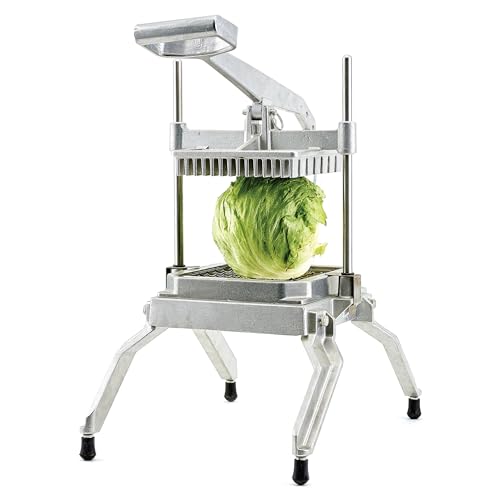
Adjustable Cutting Size – Cuts lettuce into 1” x 1” ideal for iceberg lettuce or 1” x 2” cuts perfect for romaine lettuce
Check for Recalls
Stay informed about current recalls. Visit the CDC or USDA websites regularly for updates on romaine products, including those marketed by Kroger. These resources provide real-time information about any safety concerns.
Examine Packaging
Inspect the packaging before purchase. Look for any tears or damage that could compromise the lettuce’s safety. Pay attention to expiration dates to guarantee freshness.
Choose Fresh Romaine
Select romaine with crisp, undamaged leaves. Avoid any heads showing signs of browning or wilting. Freshness is key for taste and safety.
Wash Your Hands
Before handling food, always wash your hands with soap and water for 20 seconds. This simple step reduces the risk of cross-contamination.
Rinse Thoroughly
Before consumption, rinse romaine lettuce under cold running water. Use your hands to gently rub the surface to remove any dirt or residues. Avoid using soap or bleach.
Dry Properly
After rinsing, dry the lettuce using a clean towel or a salad spinner. Ensuring the lettuce is dry helps prevent bacteria from thriving in moisture.
Store Correctly
Store romaine in the refrigerator at a temperature below 40°F (4°C). Keep it in a clean crisper drawer, away from raw meats to prevent cross-contamination.
Avoid Cross-Contamination
Use separate cutting boards and utensils for romaine, distinct from those used for raw meats or fish. This practice minimizes the risk of harmful bacteria spreading.
By following these consumer guidelines, you can enjoy romaine lettuce while minimizing health risks associated with contamination. Always stay vigilant about the freshness and safety of your produce.
Conclusion
Staying informed is key when it comes to enjoying romaine lettuce safely. By keeping an eye on recalls and practicing proper handling techniques you can significantly reduce your risk of foodborne illnesses. Always choose fresh and undamaged leaves and remember to wash your hands and the lettuce thoroughly before eating.
With the right precautions in place you can confidently add romaine to your meals. Enjoy your salads knowing you’re doing your part to keep your food safe and delicious.
Frequently Asked Questions
Is romaine lettuce from grocery stores safe to eat?
Romaine lettuce can be safe to eat if proper handling and safety practices are followed. However, concerns remain due to potential contamination with pathogens like E. coli and Listeria. It’s essential to stay informed about any recent recalls and purchase fresh, undamaged leaves.
What recent recalls have affected romaine lettuce?
In 2022, several brands of romaine lettuce were recalled due to E. coli outbreaks. Health alerts frequently update consumers about such incidents, emphasizing the importance of monitoring resources like the CDC and USDA for the latest information.
How can I reduce risks when consuming romaine lettuce?
To minimize risks, wash your hands before handling food, rinse romaine thoroughly under cold water, dry it with a clean towel, and store it properly in the fridge. Avoid cross-contamination by using separate utensils for romaine and raw meats.
What should I look for when buying romaine lettuce?
When shopping for romaine lettuce, choose fresh, undamaged leaves and check the packaging dates for assurance of freshness. Avoid any packages that appear damaged or excessively bruised.
Why is it important to follow USDA and FDA guidelines?
USDA and FDA guidelines ensure the safety and quality of romaine lettuce through strict production practices, including water quality and hygiene standards. Adhering to these guidelines helps consumers feel more confident in the food they purchase.
How often should I check for recalls on romaine lettuce?
It’s advisable to check for recalls regularly, especially after any reported outbreaks. Keeping an eye on updates from the CDC or USDA can help consumers stay informed about the safety of romaine lettuce and other food products.
What are the common pathogens found in romaine lettuce?
Romaine lettuce is primarily at risk of contamination from pathogens like E. coli and Listeria. These bacteria can pose serious health risks if consumed, making it crucial for consumers to handle and store lettuce correctly.
How should I wash romaine lettuce?
To wash romaine lettuce, rinse it thoroughly under cold running water, gently rubbing the leaves to remove any dirt or debris. Use a clean towel to dry it afterward to minimize moisture and extend freshness.
