

Have you ever thought about growing your own romaine lettuce? Imagine stepping into your garden and picking fresh, crisp leaves for your salad. It sounds great, right? But you might wonder if it’s really as easy as it seems.
Growing romaine lettuce can be a rewarding experience, even for beginners. This article will guide you through the basics, helping you understand what it takes to cultivate this tasty green. You’ll learn about the ideal conditions, common challenges, and tips to ensure a bountiful harvest. By the end, you’ll feel confident in your ability to grow your own romaine lettuce, making your meals a little fresher and more satisfying.
Key Takeaways
- Ideal Growing Conditions: Romaine lettuce thrives in temperatures between 60°F and 70°F, with well-aerated, nutrient-rich soil and at least 6-8 hours of sunlight daily.
- Planting Techniques: You can grow romaine from seeds or transplants. Proper spacing when sowing seeds helps prevent overcrowding, ensuring healthy growth.
- Watering and Maintenance: Consistent watering is crucial for romaine lettuce. Water deeply once or twice a week and avoid wetting the leaves to prevent diseases.
- Pest and Disease Management: Frequently check for pests like aphids and slugs. Utilize organic solutions and practice crop rotation to minimize disease risks.
- Harvesting Tips: Harvest lettuce when leaves are 6 to 8 inches tall for optimal flavor. Cut the base carefully and leave roots intact to encourage regrowth.
- Storage Advice: Store harvested romaine lettuce in a breathable bag in the refrigerator to maintain freshness for 5 to 7 days.
Growing Romaine Lettuce: An Overview
Growing romaine lettuce is a straightforward process that suits both novice and experienced gardeners. This leafy green thrives in cooler temperatures, making spring and fall ideal seasons for planting.
Ideal Growing Conditions
- Temperature: Romaine lettuce prefers temperatures between 60°F and 70°F. Extreme heat can cause bolting, while frost can damage the plants.
- Soil: Use well-aerated, nutrient-rich soil with a pH of 6.0 to 7.0. Consider adding compost to enhance soil structure.
- Sunlight: Aim for at least 6 to 8 hours of sunlight daily. Partial shade can help during peak summer heat.
Planting Steps
- Seeds vs. Transplants: You can either start seeds indoors or buy young plants from a nursery. Seeds provide more variety, but transplants offer convenience.
- Sowing Seeds: Plant seeds ¼ inch deep, spaced 12 inches apart, in rows 18 inches apart. Thin seedlings to avoid overcrowding.
- Watering: Keep the soil consistently moist but not soggy. Water deeply, especially during dry spells.
Common Challenges
- Pests: Watch for aphids and slugs. Use insecticidal soap or handpick pests when necessary.
- Diseases: Prevent issues like powdery mildew by ensuring good air circulation. Rotate crops each season for better disease management.
- Timing: Harvest romaine lettuce when leaves reach a height of 6 to 8 inches. Younger leaves are crisper and more flavorful.
- Techniques: Cut the leaves just above the soil level to encourage new growth. Always handle plants gently to avoid bruising.
Growing romaine lettuce can be a rewarding kitchen garden experience. With proper care and attention, you’ll enjoy fresh, homegrown lettuce in your salads and sandwiches.
Factors Affecting Growth
Several factors play crucial roles in cultivating healthy romaine lettuce. Understanding these elements enhances your chances of a successful harvest.
Recommended Products

Kindly NOTE: This soil tester can not be applied to test pH value of any other liquid. If the soil is too dry the indicator will not move, and water it before testing.

KNOW BEFORE YOU GROW | Grow the healthiest, sustainable lawn and garden with the most accurate and easy to use professional soil test kit on the market

Accurate Soil pH Testing: Dewildetradingco Soil pH Test Strips offer measurements of soil pH levels (pH 3.5-9). As an essential tool for every gardener and grower, these test strips help determine the optimal pH for various plants, such as outdoor plants, indoor plants, gardens, grass lawns, fruit trees, flowers, vegetables, and forest shrubs.
Soil Quality
Soil quality significantly influences romaine lettuce growth. You should aim for well-draining, nutrient-rich soil with a pH between 6.0 and 7.0. Consider these tips:
- Organic Matter: Incorporate compost to enhance soil fertility and structure.
- Texture: Use loamy or sandy soils for better drainage and aeration.
- Moisture Retention: Ensure the soil retains moisture without becoming waterlogged.
Testing your soil before planting can provide insights into its nutrient content and pH levels.
Climate Conditions
Romaine lettuce thrives in specific climate conditions. You need to monitor temperature, light, and humidity to foster optimal growth.
- Temperature: Ideal growth occurs between 60°F and 70°F. Higher temperatures can cause bolting, while lower temperatures may stunt growth.
- Sunlight: Aim for 6 to 8 hours of direct sunlight daily. Morning sun is preferable, as it prevents moisture accumulation that can lead to diseases.
- Humidity: Moderate humidity supports growth. High humidity can encourage fungal diseases, so ensure adequate air circulation around the plants.
Being aware of these factors and adjusting your gardening practices accordingly can lead to a bountiful romaine lettuce harvest.
Step-by-Step Guide to Planting
Growing romaine lettuce can be straightforward with the right approach. Follow these steps for a successful planting process.
Choosing Seeds
Select high-quality seeds from a reputable source. Look for varieties known for their bolt resistance and flavor. Popular options include ‘Paris Island Cos’ and ‘Butterhead’. Check the seed packet for information on growing conditions and maturity days. Aim for seeds that mature within 60 to 80 days, ensuring a timely harvest.
- Prepare the Soil: Loosen the soil to a depth of 12 inches. Mix in compost or well-rotted manure to improve fertility and drainage. Aim for a pH between 6.0 and 7.0 for optimal growth.
- Sow Seeds Indoors: If starting indoors, fill seed trays with seed-starting mix. Sow seeds ¼ inch deep, spacing them 1 inch apart. Keep the trays in a warm location until germination, typically within 7 to 14 days.
- Transplanting: Once seedlings are 3 inches tall and have true leaves, transplant them outdoors. Choose a cloudy day or late afternoon for best results. Space plants 12 to 18 inches apart in rows.
- Direct Seeding Outdoors: If direct seeding, sow seeds ¼ inch deep in rows spaced 12 to 18 inches apart. Thin seedlings to 12 inches apart once they reach 2 inches tall.
- Watering: Use a gentle spray to water immediately after planting. Maintain consistent moisture but avoid overwatering, which can lead to root rot.
- Mulching: Apply a layer of mulch after seedlings establish. Mulch helps retain moisture and suppress weeds, creating ideal conditions for your romaine lettuce.
Following these steps ensures your romaine lettuce gets a strong start. Pay attention to environmental factors, and you’ll enjoy a bountiful harvest.
Maintenance and Care
Caring for romaine lettuce involves specific practices to ensure robust growth and a healthy harvest. Consider the following key aspects of maintenance.
Recommended Products

PEST DEFENSE - Insecticidal Super Soap controls species of adelgid, ant, aphid, borer, caterpillar, spider mite, cricket, chinch bug, weevil, fly, thrip, & more.

READY-TO-USE CONTACT SPRAY: No mixing required. Thoroughly spray insecticide on all plant parts, including the underside of leaves. Pests must be sprayed directly to achieve control
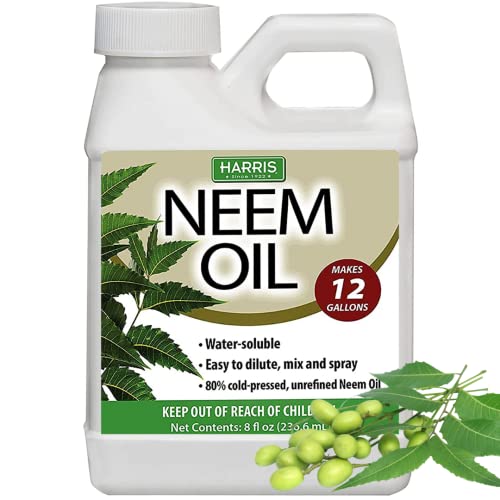
Cold-Pressed Neem Oil is a potent natural solution, ideal for maintaining healthy plants
Watering Needs
Romaine lettuce requires consistent watering to thrive. Keep the soil evenly moist but not waterlogged. It’s best to water deeply once or twice a week, depending on weather conditions. Monitor the soil moisture by checking the top inch; if it feels dry, it’s time to water. When giving your lettuce water, aim for the base of the plant to prevent wetting the leaves, which can lead to fungal diseases.
Pest and Disease Management
Vigilance is crucial for managing pests and diseases that may affect romaine lettuce. Common pests include aphids, slugs, and caterpillars. Inspect your plants regularly for signs of infestation. Use barriers like row covers to protect young plants and consider natural predators, such as ladybugs, to control aphid populations.
For diseases, practice crop rotation and avoid planting lettuce in the same spot year after year. If you notice any signs of wilt or discoloration, remove affected plants immediately to prevent spreading. Choosing resistant varieties can also help minimize risks.
Utilize organic solutions, like neem oil or insecticidal soap, to tackle pests. These methods provide an eco-friendly way to maintain healthy romaine lettuce. Regularly maintaining your plants through proper watering and proactive pest management ensures a thriving garden.
Harvesting Romaine Lettuce
Harvesting romaine lettuce involves timing and technique. You can pick your lettuce at various stages, but the ideal time occurs when the leaves reach 6 to 8 inches in height. This ensures the best flavor and texture.
When to Harvest
- Start Checking: Begin checking your lettuce after 60 to 70 days from planting.
- Look at the Leaves: The outer leaves should be crisp and green.
- Full Size: Harvest when the head feels firm to the touch.
How to Harvest
- Use a Knife: Cut the base of the plant about an inch above the soil.
- Leave the Roots: Leaving the roots intact promotes regrowth.
- Harvesting Tools: You can use sharp scissors or pruners for clean cuts.
- Wash Your Lettuce: Rinse your freshly picked leaves under cool water to remove dirt and pests.
- Store Properly: Store in a breathable bag in the refrigerator. This keeps the lettuce crisp for 5 to 7 days.
- Avoid Moisture: Excess moisture can cause the leaves to rot, so ensure they’re dry before storage.
By following these guidelines, you’ll enjoy fresh romaine lettuce right from your garden.
Conclusion
Growing romaine lettuce can be a fun and fulfilling journey. With the right conditions and a little care you’ll find it’s quite manageable. Whether you’re a novice or have some gardening experience you’ll appreciate the fresh taste of homegrown lettuce.
Remember to keep an eye on the temperature and sunlight while ensuring your soil is rich and well-drained. By following the tips shared you’ll be well on your way to enjoying delicious salads straight from your garden. So grab those seeds and get started—your taste buds will thank you!
Frequently Asked Questions
What conditions are best for growing romaine lettuce?
Romaine lettuce thrives in cooler temperatures between 60°F and 70°F, with 6 to 8 hours of direct sunlight daily. It’s essential to use well-aerated, nutrient-rich soil with a pH between 6.0 and 7.0. Consistent humidity is also important to prevent diseases.
How do I plant romaine lettuce seeds?
You can start romaine lettuce seeds indoors or directly in the garden. Choose high-quality, bolt-resistant seeds like ‘Paris Island Cos’ and ‘Butterhead.’ Prepare well-draining soil, sow the seeds at the recommended depth, and water them gently to maintain moisture.
What are common challenges in growing romaine lettuce?
Common challenges include pests like aphids and slugs, as well as diseases related to humidity and poor soil conditions. Regularly inspect plants, use barriers for pest control, and practice crop rotation to reduce disease risk.
How often should I water romaine lettuce?
Water deeply once or twice a week, making sure to keep the soil evenly moist but not waterlogged. Monitor soil moisture, especially during hot weather, to ensure your romaine lettuce stays healthy and grows well.
When is the best time to harvest romaine lettuce?
Harvest romaine lettuce when the leaves reach about 6 to 8 inches in height, typically 60 to 70 days after planting. Cut the leaves at the base to promote regrowth, and be sure to wash and store them properly to maintain their freshness.
