

Are your lettuce seedlings struggling to thrive? You’re not alone. Many new gardeners find it tricky to get the watering just right. Too much water can drown those delicate roots, while too little can leave them parched and wilting.
Key Takeaways
- Consistent Moisture is Key: Maintain consistent soil moisture for healthy lettuce seedlings; avoid both overwatering and underwatering to prevent stress and promote strong growth.
- Understand Influencing Factors: Soil type, climate, seedling age, sunlight exposure, and container size significantly influence watering needs and should guide your watering routine.
- Monitor Soil Moisture Daily: Check the top inch of soil for dryness; water when it feels dry to ensure your seedlings are appropriately hydrated.
- Choose Effective Watering Methods: Utilize top-down and bottom-up watering techniques to provide adequate moisture directly to the root zone while minimizing the risk of fungal diseases.
- Avoid Common Mistakes: Prevent overwatering by ensuring well-draining soil and sticking to a flexible watering schedule; likewise, avoid underwatering by regularly checking soil moisture, particularly in hot conditions.
Understanding Lettuce Seedlings
Lettuce seedlings require specific care, especially regarding watering. Proper attention during this initial stage helps ensure healthy growth.
Importance of Proper Watering
Proper watering fosters strong roots and healthy leaves. Adequate moisture prevents stress and improves nutrient absorption. Watering at regular intervals promotes even growth. For example, keeping the soil consistently moist encourages seedlings to flourish and prevents them from becoming leggy or weak.
Factors Influencing Watering Needs
Several factors influence how much and how often you should water lettuce seedlings:
- Soil Type: Soil that drains well requires more frequent watering, while clay or compacted soil retains moisture longer.
- Climate: Hot, dry conditions lead to quicker evaporation, necessitating increased watering.
- Seedling Age: Young seedlings need consistent moisture, while more established plants can tolerate slight drying.
- Sunlight Exposure: Direct sunlight dries out soil faster, so you may need to water more often if your seedlings are in sunny spots.
- Container Size: Larger containers hold more soil and moisture compared to smaller ones, affecting your watering schedule.
By understanding these factors, you can tailor your watering routine to meet the unique needs of your lettuce seedlings, ensuring robust growth.
Best Practices for Watering Lettuce Seedlings
Watering lettuce seedlings requires a mindful approach. You must balance moisture levels to ensure healthy growth and prevent issues.
Recommended Products
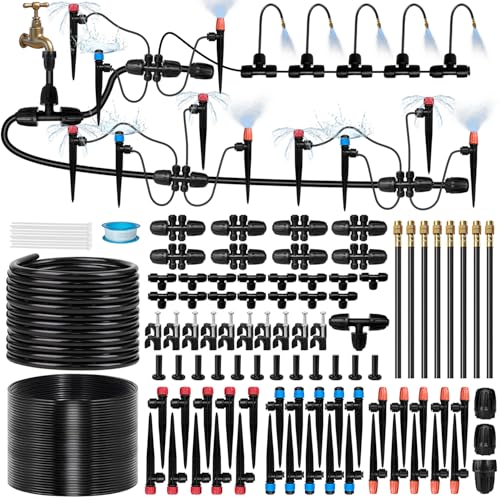
【Upgraded Tube Design & Water Saving】 Our garden watering system is upgraded to 1/2” diameter to support high water pressure. The 1/2” tee connector allows seamless splitting into 2 independent zones for customized watering schedules. By delivering moisture directly to root zones, this drip Irrigation system significantly reduces evaporation and runoff—saving more water compared to conventional sprinklers while eliminating the need for manual watering.

【Adjustable valve】 The flow rate can be controlled. The plant watering Device with control valve can control the dripping speed of 0-62 s/drip, and the sustained drip lasts for 1-12 days, The bigger the bottle of water, the longer they water your plants; Water discharge is approx Only adjust the valve to Meet your needs without complicated setup steps.

✔Comprehensive Drip Irrigation Kit:MIXC drip irrigation system, equipped with a versatile range of components, caters to all your garden watering needs.Includes essential parts such as 197ft 1/4'' irrigation tube, 33ft 1/2'' irrigation tube, 1/2‘’ Lock Barbed Tee connectors, drip emitter streams, vortex emitters, Blue Mist Nozzles, Quick connection tees, Faucet Connector, and more.
Frequency of Watering
Watering frequency depends on several factors, including soil type, climate, and container size. Check the soil moisture daily. If the top inch feels dry, it’s time to water. In hot, dry weather, you might need to water twice a day, while cooler days may require watering every other day. Adjust based on seedling age as well; younger seedlings need consistent moisture, while older ones can tolerate slightly drier conditions.
Amount of Water to Use
Use the right amount of water to saturate the soil without causing pooling. Aim for around 1 inch of water per week, either through rainfall or irrigation. When watering, apply enough to reach the root zone, which is about 6 to 12 inches deep for lettuce. Be mindful not to water directly on the leaves to avoid fungal diseases. Instead, direct the water at the base of the plant. A gentle spray or drip irrigation can help achieve this.
Techniques for Watering Lettuce Seedlings
Watering techniques greatly impact the health of your lettuce seedlings. Two effective methods include top-down and bottom-up watering, each offering distinct benefits.
Recommended Products

Flexible watering options: This watering can features a detachable shower head that switches between a direct stream and a soft spray; it suits both indoor and outdoor plants, giving you flexible control over water flow

Small Design Watering Can:The watering can in timeless design is ideal for watering the room or balcony plants.

Built tough for big watering jobs: This watering can has thickened PP resin walls to resist crushing and bending; 2 gallon capacity waters multiple plants and saves refills in heat; ideal for gardens, patios and large indoor pots with frequent refills
Top-Down Watering Method
Top-down watering involves applying water directly to the soil surface. This method encourages strong root development by ensuring moisture evenly reaches the roots.
- Use a watering can: Opt for one with a spout to control water flow.
- Water gently: Pour slowly and steadily, avoiding forceful splashes that can disturb the soil.
- Target the soil: Focus on the soil rather than the leaves, as this reduces the risk of fungal infections.
Aim to saturate the soil, ensuring water seeps down to the root zone. Check your seedlings daily, adjusting frequency based on climate conditions and soil moisture levels.
Bottom-Up Watering Method
Bottom-up watering allows seedlings to absorb moisture through drainage holes. This method provides a consistent moisture level around the roots.
- Fill a tray with water: Use a shallow tray that fits under your seedling containers.
- Place containers in the tray: Make sure the drainage holes are submerged in the water.
- Allow to soak: Let the seedlings absorb water for about 30 minutes, or until the surface of the soil feels moist.
This method reduces the risk of overwatering and helps prevent soil erosion. Monitor the water level in the tray, refilling as needed to maintain consistent moisture.
Common Mistakes to Avoid
Awareness of common mistakes helps you nurture healthy lettuce seedlings effectively. Identifying these issues improves your watering approach and promotes better growth.
Overwatering Concerns
Overwatering leads to root suffocation and can cause seedlings to rot. Recognize the symptoms: yellowing leaves and a soggy soil texture indicate excess moisture. To avoid this mistake:
- Check Soil Moisture: Stick your finger about an inch into the soil. If it feels wet, skip watering that day.
- Use Well-Draining Soil: Ensure your potting mix provides proper drainage. This helps excess water escape and keeps roots healthy.
- Water Less Frequently: Instead of daily watering, adjust your schedule based on weather and soil type. Water every 2-4 days if conditions allow.
Underwatering Issues
Underwatering stresses seedlings, resulting in wilting and stunted growth. Symptoms include shriveled leaves and dry soil. To prevent underwatering:
- Monitor Weather Conditions: Hot, sunny days require more frequent checks. Seedlings may need watering twice a day in high temperatures.
- Establish a Routine: Set a consistent watering schedule based on your local climate. This helps ensure seedlings receive adequate moisture.
- Inspect for Dry Soil: If the surface feels dry early in the day, it’s time to hydrate. Aim for regular moisture without saturation.
By avoiding these common pitfalls, you strengthen the care you provide to your lettuce seedlings, fostering robust growth and healthy plants.
Conclusion
Taking care of your lettuce seedlings can be a rewarding experience when you get the watering just right. By keeping an eye on factors like soil moisture and environmental conditions you’ll help your seedlings thrive. Remember to choose the right watering method that suits your setup and always stay mindful of avoiding common mistakes.
With a little patience and attention you’ll soon be on your way to enjoying a lush and vibrant lettuce harvest. Happy gardening and may your seedlings grow strong and healthy!
Frequently Asked Questions
What are the main challenges in growing lettuce seedlings?
New gardeners often struggle with watering techniques. The right balance is crucial: overwatering suffocates roots, while underwatering leads to wilting. It’s important to maintain proper moisture levels for strong roots and healthy leaves, considering factors like soil type, climate, and seedling age.
How often should I water my lettuce seedlings?
Watering frequency varies based on conditions. In hot weather, you may need to water twice a day, while cooler days may require watering every other day. Always check soil moisture daily to ensure your seedlings receive the right amount of water.
What’s the best way to water lettuce seedlings?
Both top-down and bottom-up methods are effective. Top-down involves watering directly onto the soil, ensuring even moisture. Bottom-up allows seedlings to absorb water through drainage holes by placing containers in a shallow tray. Choose the method that suits your setup best.
How do I avoid overwatering my lettuce seedlings?
To prevent overwatering, always check the soil moisture before watering. Use well-draining soil and adapt your watering routine based on environmental conditions. Ensure that you do not let your containers sit in water to avoid root rot.
What are signs of underwatering in lettuce seedlings?
Signs of underwatering include wilting leaves, dry soil, and stunted growth. To remedy this, monitor weather conditions and establish a consistent watering schedule. Regularly inspect your seedlings to ensure they are receiving adequate moisture.
