

Have you ever brought home a fresh head of lettuce only to find it crawling with slugs? It’s a frustrating moment that can make you think twice about that salad you planned. You’re not alone—many people face this pesky problem when enjoying homegrown or farmer’s market greens.
Key Takeaways
- Understanding Slug Attraction: Slugs are drawn to lettuce due to its moisture and tender leaves. Preventing infestations starts with selecting more resilient varieties and using barriers.
- Signs of Infestation: Look for irregular holes, slime trails, droppings, and visible slugs to confirm an infestation’s presence.
- Effective Cleaning Tools: Essential tools for washing lettuce include a colander, a large bowl, cold water, a vegetable brush, and absorbent materials like paper towels.
- Washing Techniques: An initial rinse followed by soaking in a saltwater or vinegar solution effectively removes slugs and debris. Always rinse thoroughly after soaking.
- Preventive Measures: Utilize natural repellents such as coffee grounds, crushed eggshells, and beer traps, while maintaining cleanliness and inspecting plants regularly.
- Choosing Resistant Varieties: Consider planting slug-resistant lettuce varieties like ‘Butterhead’ and ‘Oakleaf’ to minimize risk and ensure a healthier harvest.
Understanding the Problem
Finding slugs on fresh lettuce poses a common challenge for home gardeners and salad enthusiasts. Understanding why slugs are attracted to your greens can help prevent infestations and keep your lettuce clean.
Why Slugs Are Attracted to Lettuce
Slugs are drawn to lettuce due to its moisture content and nutritional value. They thrive in damp conditions, making leafy greens an ideal meal choice. Young, tender lettuce is particularly appealing as it provides easy access to the soft tissue that slugs enjoy. To discourage slugs, consider planting more resilient varieties or using barriers.
Common Signs of Slug Infestation
Identifying a slug infestation involves recognizing specific signs. Look for:
- Holes: Irregular holes in leaves indicate feeding damage from slugs.
- Slime Trails: Silvery, slimy trails on leaves or soil show slug activity.
- Droppings: Small, round black pellets often appear on or near infested plants.
- Visible Slugs: Spotting slugs, especially in the early morning or late evening, confirms their presence.
These indicators help you assess the severity of the problem and decide on appropriate washing techniques.
Preparing to Wash Lettuce
Proper preparation makes washing lettuce more effective and efficient. Gathering the necessary tools and understanding the right timing enhances the cleaning process.
Recommended Products
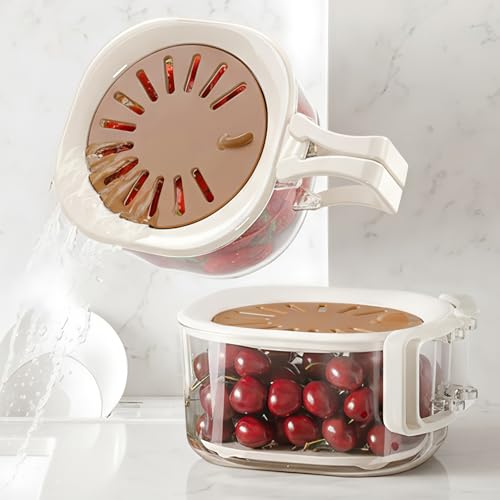
【Versatile in Use】This fruit draining basket is designed not just for washing but also for soaking, straining, rinsing, and storing various foods. The bowl can be directly used as a salad container. Its compact size makes it ideal for both kitchen use and outdoor picnics.

4 PACK FOOD CONTAINERS SETS: Fruit containers for fridge includes include 4 pack of large size 106 OZ (3.15L) + medium size 57 OZ(1.7L) +small size 27 OZ(0.8L) + mini size 13 OZ(0.38L). Various capacities perfect for most fruit, vegetable, lettuce, berry, cereal, meat, produce and other food storage. Perfect for most fridges, freezers, cupboards & drawers

【Versatile in Use】This fruit draining basket is designed not just for washing but also for soaking, straining, rinsing, and storing various foods. The bowl can be directly used as a salad container. Its compact size makes it ideal for both kitchen use and outdoor picnics.
Tools and Materials Needed
- Colander: A colander helps drain excess water post-wash.
- Large Bowl: Use a bowl to soak the lettuce and loosen debris.
- Cold Water: Cold water is essential for rinsing, as it helps keep the lettuce fresh.
- Vegetable Brush: A soft brush aids in scrubbing stubborn dirt or slime if necessary.
- Paper Towels or Clean Cloth: These absorbent materials dry the lettuce after washing.
Best Time to Wash Lettuce
Wash lettuce soon after harvesting or purchasing it. Doing so eliminates slugs before they settle in. Ideally, wash lettuce in the late afternoon or early evening, when temperatures are cooler. This prevents wilting and maintains crispness. Avoid washing right before serving; instead, clean and store properly to retain freshness for later use.
Step-by-Step Guide on How to Wash Slugs Off Lettuce
Washing slugs off lettuce is straightforward. Follow these steps to ensure your greens are clean and ready to enjoy.
Initial Rinse
Start by rinsing the lettuce under cold running water. Hold each leaf separately, allowing the water to wash away surface dirt and debris. Use your fingers to gently rub the leaves, focusing on areas where slugs might hide. This quick rinse removes loose contaminants and prepares the lettuce for further cleaning.
Using Saltwater Solution
Create a saltwater solution by dissolving 1-2 tablespoons of salt in a bowl of cold water. Submerge the lettuce in the mixture for 10-15 minutes. Salt causes slugs to contract and detach from the leaves. After soaking, rinse the lettuce thoroughly under cold running water to remove any salt residue and remaining slugs. Ensure all saltwater is gone before preparing your salad.
Soaking in Vinegar
Prepare a vinegar solution by mixing 1 cup of white vinegar with 3 cups of cold water. Soak the lettuce in this solution for 10-15 minutes. Vinegar acts as a natural pesticide, helping to eliminate slugs and other pests. After soaking, rinse the lettuce under cold water to remove any vinegar taste. This method not only cleans but also adds an extra layer of protection against pests.
Tips for Preventing Slugs on Lettuce
Preventing slugs from feasting on your lettuce takes proactive measures. Implementing effective strategies ensures a healthy crop without damage.
Recommended Products

Effective Slug & Snail Defense: Copper Stopper creates a powerful barrier against slugs and snails, serving as a slug repellent for garden beds in a pet-safe solution.

[EXTRA-WIDE SLUG & SNAIL BARRIER] – Protect your plants with a heavy-duty barrier. The 2-inch width provides a much larger barrier zone than standard narrow tapes, making it an incredibly effective slug and snail barrier for garden pots, raised beds, and planters
![Kraftex Copper Tape [1 Inch x 66ft] – Conductive Copper Foil Tape with Adhesive for Stained Glass, Slug Barrier, Guitar Shielding & Faraday Cage](https://m.media-amazon.com/images/I/51R1IRCouIL._SL500_.jpg)
Molluscs and More: Copper tape is a great way to keep those pesky slugs away from your garden plants. Just put a connected ring of our copper slug tape around your garden pots or planters to create a copper slug barrier to keep them away.
Natural Repellents
- Coffee Grounds: Spread used coffee grounds around your plants. The caffeine in coffee repels slugs and deters them from approaching.
- Crushed Eggshells: Scatter crushed eggshells on the soil. The sharp edges create an uncomfortable terrain for slugs, keeping them away from your lettuce.
- Beer Traps: Set out shallow dishes filled with beer. Slugs are attracted to the beer, crawl in, and drown. This method effectively reduces their numbers.
- Garlic Spray: Mix crushed garlic with water and spray it on your lettuce. The scent and taste of garlic deter slugs.
- Regularly Inspect Plants: Check your lettuce for slugs at least once a week. Early detection prevents significant infestations.
- Water Early: Water your lettuce in the morning. Keeping the soil dry by evening reduces moisture, making it less appealing to slugs.
- Create Barriers: Use copper tape or copper wire around your garden beds. Slugs receive a small shock when they touch copper, creating a barrier.
- Maintain Cleanliness: Remove fallen leaves, debris, and weeds surrounding your lettuce. Clutter provides shelter for slugs.
- Choose Resistant Varieties: Opt for lettuce varieties known for their resistance to slugs, such as ‘Butterhead’ and ‘Oakleaf.’ These varieties withstand slug damage better.
Incorporating these tips into your gardening routine helps protect your lettuce from slugs, resulting in a healthier harvest.
Conclusion
Getting rid of slugs on your lettuce doesn’t have to be a hassle. With the right approach and a few simple tools you can enjoy clean and fresh greens without the slimy hitchhikers. Remember to wash your lettuce soon after harvesting or buying it to keep it crisp and tasty.
Utilizing natural solutions like saltwater and vinegar not only helps remove slugs but also ensures your lettuce stays healthy. Plus with some preventative measures in place you can minimize future infestations. By taking these steps you’re setting yourself up for a successful harvest that’s not only slug-free but also delicious. Happy gardening and enjoy your fresh salads!
Frequently Asked Questions
How do slugs get on my lettuce?
Slugs are attracted to fresh, moist lettuce due to its soft texture and high water content. They often hide during the day in damp areas and come out at night to feed, leading to infestations if not managed properly.
What tools do I need to wash lettuce?
To effectively wash lettuce, you’ll need a colander to drain excess water, a vegetable brush to remove dirt, and some clean cold water for rinsing. These tools help ensure that your lettuce is thoroughly cleaned.
When is the best time to wash lettuce?
It’s best to wash lettuce soon after harvesting or purchasing, preferably in the late afternoon or early evening. This timing helps maintain its freshness and reduces the chance of wilting.
How do I remove slugs from lettuce?
Start by rinsing the lettuce under cold water to dislodge slugs. Use a saltwater solution to encourage them to detach, followed by soaking the lettuce in a vinegar solution, which acts as a natural pesticide.
What natural repellents can I use to prevent slugs?
To deter slugs, consider using natural repellents like coffee grounds, crushed eggshells, beer traps, and garlic spray. These methods create barriers or unpleasant environments for slugs without harming your plants.
What are slug-resistant lettuce varieties?
Slug-resistant lettuce varieties include ‘Butterhead’ and ‘Oakleaf’. Choosing these types can help protect your crop from slug damage and ensure a healthier harvest, reducing the need for constant pest management.
