

Have you ever noticed mysterious orange spots on your tomato plant leaves, slowly spreading like tiny wildfires in your garden? It’s frustrating to see rust taking hold, threatening the health of your precious plants. But fret not – there are simple yet effective ways to combat this common issue and restore your tomatoes to their former glory.
Imagine strolling through your garden and admiring lush, vibrant tomato plants free from the clutches of rust. With just a few easy-to-follow steps, you can banish this pesky problem and ensure a bountiful harvest of juicy, disease-free tomatoes. In this article, we’ll walk you through practical tips and natural remedies to treat rust on tomato plants, empowering you to protect your garden oasis with confidence.
Key Takeaways
- Rust disease caused by fungal pathogens appears as orange spots on tomato plant leaves, impacting plant health and fruit production.
- Early detection of rust signs like orange spots, yellowing leaves, and brown pustules is crucial for effective treatment.
- Preventative measures such as proper spacing, mulching, watering at the base, weed control, and selecting resistant tomato varieties can help reduce the risk of rust.
- Treatment options include organic methods like neem oil or baking soda-water mix and chemical treatments with copper-based fungicides (use cautiously).
- Regular monitoring, early detection, cultural practices maintenance (spacing, mulching), weed control, and choosing resistant varieties are essential for long-term management against rust.
Understanding Rust on Tomato Plants
Rust disease is a common issue that can affect tomato plants in your garden. It presents as orange or rusty spots on the leaves, causing concern for gardeners like yourself.
What Is Rust Disease?
Rust disease, caused by fungal pathogens, appears as powdery, rusty-orange spots on the leaves of tomato plants. These spores spread easily and can impact the overall health and yield of your tomatoes.
How Does Rust Affect Tomato Plants?
Rust affects tomato plants by weakening them, reducing their ability to photosynthesize effectively. This can lead to stunted growth, decreased fruit production, and ultimately affect the quality of your harvest. Regular inspection and prompt action are crucial to prevent extensive damage.
Identifying Rust on Your Tomato Plants
Rust on your tomato plants can be easily identified by looking for specific signs and symptoms. Early detection is key to effectively treating the issue before it spreads further.
Signs and Symptoms of Rust
When inspecting your tomato plants, watch out for the following signs that indicate the presence of rust:
- Orange Spots: Look for small, orange-colored spots on the upper surface of the leaves.
- Yellowing Leaves: Leaves may start turning yellow as the rust progresses.
- Brown Pustules: These are tiny brown pustules that appear on the underside of leaves.
Stages of Rust Development
Understanding the stages of rust development can help you take timely action to address the problem:
- Initial Infection: The fungus spores land on your plant, leading to the formation of orange spots.
- Colonization: The fungus spreads rapidly, causing more spots and affecting a larger area of leaves.
- Advanced Stage: If left untreated, rust can lead to severe leaf damage, weakening the plant over time.
By being vigilant and recognizing these signs early on, you can effectively manage rust infestations on your tomato plants. Regular monitoring and quick intervention are crucial in preventing extensive damage and ensuring healthy growth.
Preventative Measures for Rust on Tomato Plants
To prevent rust from affecting your tomato plants, there are several key strategies you can implement. By following these preventative measures, you can safeguard your plants and promote healthy growth.
Cultural Practices to Reduce Risk
Maintaining good cultural practices is essential in reducing the risk of rust on tomato plants. Here are some effective methods:
- Proper Spacing: Ensure adequate spacing between tomato plants to promote air circulation, which helps prevent the spread of rust spores.
- Mulching: Use organic mulch around the base of the plants to reduce soil splashing onto leaves, as damp conditions can encourage rust development.
- Watering: Water your tomato plants at the base early in the day to allow foliage to dry quickly and minimize moisture levels that contribute to rust formation.
- Weed Control: Keep the area around your tomato plants free of weeds that can harbor pests and diseases, including rust.
Choosing Resistant Tomato Varieties
Selecting resistant tomato varieties is a proactive approach to combatting rust. Look for cultivars that exhibit resistance or tolerance to common types of rust found in tomatoes. Some examples include:
- Roma Tomatoes: Known for their resistance to various diseases, including certain strains of rust.
- Cherry Tomatoes: Certain cherry tomato varieties show resilience against rust infections.
By incorporating these preventative measures into your gardening routine and selecting resistant tomato varieties, you can significantly reduce the risk of rust impacting your precious tomato plants.
Treatment Options for Rust Affected Plants
If you’re dealing with rust on your tomato plants, here are some effective treatment options to help you address the issue promptly.
Organic Methods to Treat Rust
When combating rust on tomato plants organically, consider using neem oil. It’s a natural fungicide that can help control the spread of rust. Another organic option is a mixture of baking soda and water sprayed onto the affected leaves. This solution alters the pH on the leaf surface, creating an environment less conducive to rust development.
Chemical Treatments: Pros and Cons
Chemical treatments like copper-based fungicides can be effective in managing rust on tomato plants. These products are potent and can provide quick results in controlling the disease. However, it’s essential to use them cautiously as they can harm beneficial insects and impact soil health. Always follow instructions carefully when using chemical treatments and consider their potential environmental impact before application.
Monitoring and Maintaining Healthy Tomato Plants
To ensure your tomato plants stay healthy and vibrant, it’s crucial to monitor them regularly and implement effective maintenance strategies. By taking proactive steps, you can prevent issues like rust from affecting your precious crop.
Recommended Products
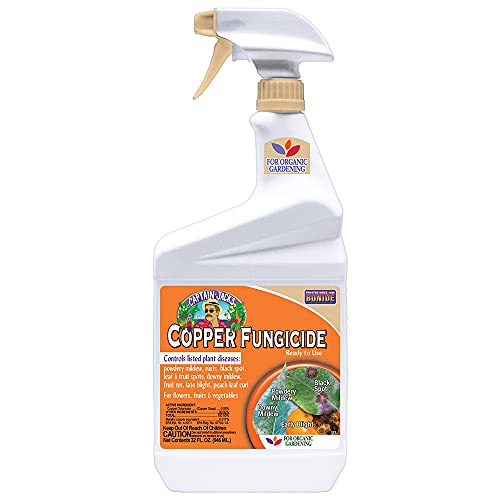
Control fungus and disease in your garden with Captain Jack’s ready-to-use Liquid Copper Fungicide!

Neudorff Copper Fungicide Controls Listed Plant Diseases: Powdery Mildew, Rusts, Black Spot, Leaf & Fruit Spot, Downy Mildew, Fruit Rot, Late Blight, Peach Leaf Curl and Other Listed Diseases.

3-IN-1 PLANT CARE: 3-In-1 Insect, Disease & Plant Mite Control provides insect control, disease control, and plant mite control all in one; Rainproof protection starts in 4 hours and lasts up to 14 days
Regular Checks and Early Detection
Regularly inspecting your tomato plants is key to catching any signs of rust early on. Make it a habit to look for yellow or orange spots on the leaves, which are indicative of rust infection. By identifying these symptoms promptly, you can take immediate action to prevent the spread of the disease.
Long-Term Management Strategies
In addition to early detection, adopting long-term management strategies can help safeguard your tomato plants against rust. Consider implementing cultural practices such as proper spacing between plants to improve air circulation, mulching around the base of the plants to maintain soil moisture levels, and using appropriate watering techniques to avoid wetting the foliage excessively.
Furthermore, effective weed control in your garden can reduce the risk of rust development by eliminating potential alternate hosts for the disease. Selecting resistant tomato varieties like Roma or Cherry tomatoes can also proactively combat rust infections before they take hold in your garden.
By incorporating these monitoring techniques and long-term management practices into your gardening routine, you’ll be better equipped to maintain healthy tomato plants that are less susceptible to rust infestations. Stay vigilant and proactive in caring for your tomatoes to enjoy a bountiful harvest free from diseases like rust.
Conclusion
You now have a comprehensive understanding of how to tackle rust on your tomato plants. By following the preventative measures and treatment options outlined in this article, you can effectively combat rust infections and promote healthy growth in your tomato garden. Remember to regularly inspect your plants, implement proper spacing and watering techniques, and consider using resistant tomato varieties to minimize the risk of rust. With a proactive approach and the right strategies in place, you can enjoy a thriving tomato garden free from the damaging effects of rust. Happy gardening!
Frequently Asked Questions
What are the detrimental effects of rust on tomato plants?
Rust can weaken tomato plants, hinder photosynthesis, lead to stunted growth, and reduce fruit production.
How can I combat rust on tomato plants naturally?
You can use organic methods like neem oil and a baking soda-water mixture.
What preventative measures can I take to reduce the risk of rust on tomato plants?
Practice proper spacing, mulching, watering techniques, weed control, and choose resistant tomato varieties.
What are some chemical treatment options for rust-affected tomato plants?
You can use copper-based fungicides but be cautious due to potential harm to beneficial insects and soil health.
Why is it important to monitor tomato plants regularly for rust?
Regular monitoring allows for early detection of rust which enables prompt action and long-term management strategies.
