

Have you ever planted lettuce seeds only to find your seedlings crowded together like a busy subway? It’s a common struggle for many gardeners. While it’s exciting to see those little greens sprouting, overcrowding can lead to weak plants and poor yields.
Key Takeaways
- Thinning lettuce seedlings is essential for promoting healthy growth and maximizing yield by reducing competition for nutrients, light, and water.
- Optimal thinning should occur when seedlings develop their first true leaves and are between 2 to 4 inches tall, ensuring minimal disturbance to roots.
- Aim for a spacing of 6 to 12 inches between seedlings to encourage robust root systems and improve air circulation, reducing the risk of diseases.
- Employ hand thinning or scissors for a precise thinning method, ensuring to work during cooler parts of the day to minimize stress on the plants.
- Avoid common mistakes, such as thinning too late, over-thinning, and using dirty tools, to maintain seedling health and productivity.
- Regularly monitor your seedlings post-thinning to prevent overcrowding and to address any other potential issues, such as pests or nutrient deficiencies.
Importance Of Thinning Lettuce Seedlings
Thinning lettuce seedlings creates space for healthy growth. Crowded plants compete for nutrients, light, and water, leading to stunted growth and weak leaves. Proper spacing allows each plant to access essential resources.
Thinning also promotes better air circulation around seedlings. Improved airflow reduces the risk of diseases, like downy mildew and root rot, which thrive in dense, humid conditions. Healthier plants result in higher yields.
Another benefit includes encouraging more robust root systems. When seedlings have room to expand, roots can grow deeper and stronger. This results in more resilient plants that withstand drought and pests better.
Timely thinning enhances overall garden productivity. Instead of harvesting limited amounts from overcrowded plants, you’ll enjoy a bountiful crop. A simple thinning process can dramatically improve the quality and quantity of your lettuce harvest.
Consider thinning once the seedlings develop their first true leaves. This ensures you’re leaving the strongest, healthiest plants while giving them the best chance to thrive.
Recommended Products

🌱Durable Material: The whole body of the plant transplanting tongs is made of high-quality stainless steel, easy to clean and does not rust, very durable.

BUILT TO LAST A LIFETIME WITH FULL STAINLESS STEEL: Crafted from a single piece of high-quality, rust-resistant stainless steel. Unlike tools with weak wooden handles, the Gardmate hand dibber is built for a lifetime of use, bending and wear in all weather conditions.

Package Details: You will get 1 mini seeder set, which includes 4 pieces of seeders, 2 pieces of shovels and 5 pieces of boxes, fully equipped, which can well improve your sowing efficiency.
Best Time To Thin Lettuce Seedlings
Thinning lettuce seedlings at the right time is crucial for healthy growth. This helps ensure your plants receive adequate resources and thrive.
Recommended Products

Made of plastic, Simple and easy to use of the plant sow seeds dispenser

Material: Made of good quality plastic, smooth surface without burrs, durable and lasting
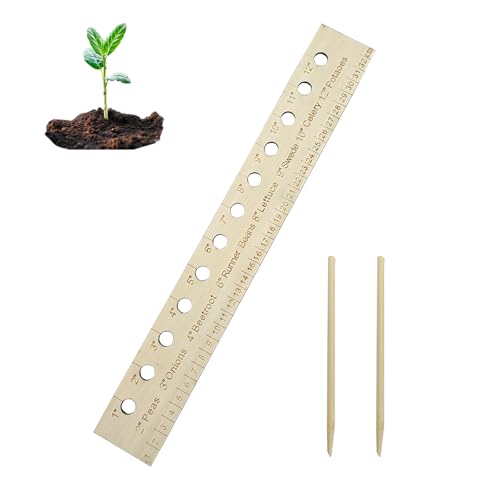
1. Precise Planting and Spacing: This seed spacer and planting ruler ensures accurate and consistent spacing for your vegetable gardens and yard, promoting healthy plant growth.
Signs That Thinning Is Necessary
- Crowding: If seedlings are too close together, it’s time to thin. Overcrowded plants compete for light, nutrients, and water.
- Stunted Growth: Seedlings that appear weak or are growing slowly indicate they may need more space. Thinning promotes access to essential resources.
- Yellowing Leaves: Leaves turning yellow can signal nutrient deficiency caused by competition. Thinning allows remaining seedlings to flourish.
- Uneven Growth: If some seedlings are significantly larger than others, this suggests uneven access to resources. Thinning helps balance growth.
- First True Leaves: Thin seedlings once they develop their first true leaves. This stage indicates enough growth to handle thinning.
- 2-4 Inches Tall: Ideally, seedlings should be between 2 to 4 inches tall when you thin them. This height ensures they’re established enough to recover from the thinning process.
- Spacing Guidelines: Aim for 6 to 12 inches between seedlings, depending on the variety. Adequate spacing results in healthier, more robust plants.
- Timing: Conduct thinning in the morning or evening when temperatures are cooler. This reduces stress on seedlings and promotes quicker recovery.
By recognizing signs that thinning is necessary and knowing optimal seedling sizes, you enhance the growth potential of your lettuce plants.
Methods For Thinning Lettuce Seedlings
Thinning lettuce seedlings can enhance their growth. There are a couple of effective methods you can use to achieve this.
Recommended Products
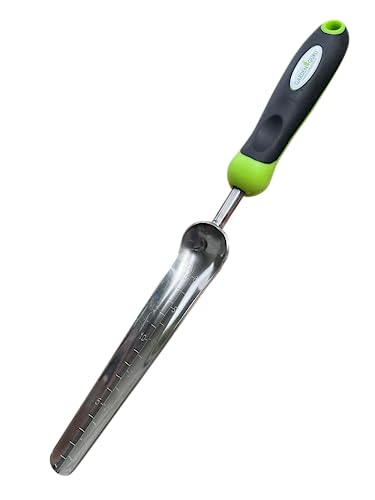
PERFECT SEED PLANTING TROWEL – Narrow edge to easily fit in small spaces. Ideal for planting seeds and transplanting small plants, vegetables, flowers in narrow and hard to reach spaces.

12 Piece Set-Meeting Different Needs: Our gardening tool set contains a garden rake, gardening shovel, garden trowel, two different shaped plant tweezers, 1pcs garden shears, 2pcs gardening shears, dustpan brush, spatula, hole punch, and transplant garden hand fork. A single purchase for all your different needs, saving you time for selection

Precise Wooden Seed Spacing Tool for Perfect Rows:Achieve professional-grade garden planning with this 13" x 1.8" wooden seed spacing tool. Whether you're planting carrots, radishes, or peas, this seeding ruler with holes eliminates guesswork. Simply press the included plant dibble into the pre-drilled guide holes to create uniform depth and spacing, ensuring even growth and maximizing your harvest yield.
Hand Thinning Techniques
Hand thinning involves gently pulling out excess seedlings. Start by identifying overcrowded areas and selecting the weaker seedlings for removal. Grasp the seedlings just below the soil surface, and carefully pull them out to minimize disturbance to the remaining roots. Aim for spacing of 6 to 12 inches between each healthy seedling. Work in the morning or evening to reduce stress on plants, and always handle seedlings gently to avoid damage.
Using Scissors For Precision
Using scissors offers a precise approach for thinning seedlings. This technique minimizes disturbance to the neighboring seedlings. Hold the scissors just above the base of the undesired seedling and snip it off at the soil level. Ensure that you avoid cutting nearby plants. This method is particularly useful when seedlings are very close together. Remember to clean your scissors before and after thinning to prevent the spread of diseases.
Common Mistakes To Avoid
- Thinning Too Late: Thinning after seedlings grow too tall leads to root disturbance and stress. Thinning when seedlings are 2 to 4 inches tall ensures minimal disruption to roots.
- Over-Thinning: Removing too many seedlings reduces plant density. Aim for proper spacing of 6 to 12 inches to maximize growth potential.
- Using Dirty Tools: Using unclean scissors increases the risk of transferring diseases. Always clean scissors before and after each thinning session.
- Thinning During Heat: Thinning during hot parts of the day stresses seedlings. Opt for early morning or evening to lessen shock and aid recovery.
- Ignoring Watering Needs: Failing to water seedlings post-thinning can hamper recovery. Water lightly to help seedlings adjust and maintain moisture.
- Not Monitoring Growth: Skipping regular checks on remaining seedlings can lead to overcrowding again. Inspect your seedlings weekly to ensure adequate spacing.
- Neglecting Overall Seedling Health: Focusing solely on thinning may let other issues, like pests or nutrient deficiencies, go unchecked. Keep an eye on plant health regularly for the best outcomes.
Conclusion
Thinning your lettuce seedlings is a simple yet crucial step in ensuring a bountiful harvest. By giving each plant the space it needs you’ll help them thrive and ward off potential issues. Remember to keep an eye on their growth and adjust your thinning practices as needed.
With a little care and attention your lettuce will flourish and provide you with delicious greens to enjoy. Happy gardening and may your lettuce beds be vibrant and healthy!
Frequently Asked Questions
Why is thinning lettuce seedlings important?
Thinning lettuce seedlings is crucial for promoting healthy growth. It provides ample space for each seedling to access nutrients, light, and water. Additionally, proper spacing enhances air circulation, which reduces the risk of diseases.
When should I thin my lettuce seedlings?
Lettuce seedlings should typically be thinned when they are about 2 to 3 inches tall. This timing allows the remaining seedlings to thrive without competition for resources.
What spacing is recommended after thinning?
After thinning, space lettuce seedlings about 6 to 12 inches apart, depending on the variety. This spacing ensures that each plant has enough room to grow effectively.
What are effective methods for thinning lettuce?
Effective thinning methods include hand thinning, where you manually remove some seedlings, and using clean scissors to snip unwanted plants. This helps prevent damage to surrounding seedlings.
What mistakes should I avoid when thinning?
Avoid common mistakes like thinning too late, over-thinning, or using dirty tools. Also, refrain from thinning during hot days, neglecting water needs, and failing to monitor seedling growth and health.
