

Have you ever bought a bunch of romaine lettuce only to watch it wilt in your fridge? You’re not alone! Many people struggle to keep their greens fresh and crisp. Luckily, taking care of romaine lettuce isn’t as hard as it seems.
Key Takeaways
- Nutritional Benefits: Romaine lettuce is a nutrient-dense leafy green, rich in vitamins A, K, C, and fiber, supporting overall health and wellness.
- Optimal Growing Conditions: Choose a sunny location with well-draining soil for planting romaine lettuce to ensure healthy growth.
- Watering Techniques: Maintain soil moisture with deep watering (1-2 inches each week), and use mulch to retain moisture and suppress weeds.
- Fertilization: Apply balanced or organic fertilizers every 4-6 weeks during the growing season to enhance growth and health.
- Harvesting Indicators: Harvest when heads are firm and heavy, typically 70-85 days after planting; use sharp tools to prevent damage.
- Common Mistakes: Avoid overwatering and poor sunlight exposure to prevent root rot and stunted growth, ensuring healthy and flavorful lettuce.
Understanding Romaine Lettuce
Romaine lettuce, known for its crisp texture and sturdy leaves, plays a vital role in salads and other dishes. Understanding its nutritional profile and health benefits enhances your appreciation and usage of this leafy green.
Nutritional Value
Romaine lettuce offers essential vitamins and minerals. A one-cup serving (about 47 grams) contains approximately:
| Nutrient | Amount per Serving |
|---|---|
| Calories | 15 |
| Protein | 1 gram |
| Fiber | 1 gram |
| Vitamin A | 81% DV |
| Vitamin K | 60% DV |
| Folate | 15% DV |
| Vitamin C | 10% DV |
This nutrient-dense profile supports a balanced diet, contributing to overall health and wellness.
Health Benefits
Including romaine lettuce in your diet provides several health benefits:
- Promotes Hydration: With high water content, romaine helps keep you hydrated, especially during hot weather.
- Supports Digestive Health: The fiber content aids in digestion, contributing to regular bowel movements and gut health.
- Boosts Immune Function: Vitamins A and C strengthen the immune system, helping your body to fend off illnesses.
- Encourages Bone Health: Vitamin K plays a crucial role in maintaining bone density and reducing fracture risk.
By incorporating romaine lettuce into meals, you can easily enhance your nutrition and enjoy these health benefits.
Preparing to Grow Romaine Lettuce
Growing romaine lettuce successfully starts with careful preparation. Following the right steps ensures a healthy crop.
Recommended Products

Disease Resistant Salad Romaine : Parris Island Cos gardening seeds produce tall upright romaine lettuce head growth with crunchy midribs and juicy texture. Mosaic tolerant leaf lettuce seeds for planting outdoors thrive in USDA zones 3–9 with strong field performance.

🥬 Heat-Tolerant Upright Romaine: Jericho Romaine Lettuce (Lactuca sativa) forms tall, sturdy heads with crisp ribs and tender, mildly sweet leaves. Known for its strong heat tolerance compared to many romaine varieties, it grows 18–24 inches tall and delivers reliable harvests in extended spring and early summer conditions.
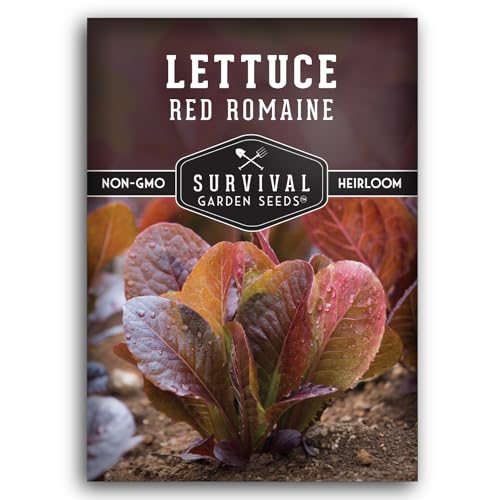
RED ROMAINE SEEDS FOR PLANTING – Striking lettuce has burgundy-to-ruby red leaves with crisp green hearts create a bold contrast in the garden and add vibrant color and flavor to Caesar salad and other dishes
Choosing the Right Location
Select a location with full sun for at least 6-8 hours daily. Ensure the soil is well-draining to prevent rot. Avoid shaded areas where growth may be stunted. If possible, choose a spot close to your kitchen for easy access. Raised beds or containers also work well, especially if ground soil quality is poor.
Selecting the Best Seeds
Choose high-quality romaine lettuce seeds. Look for disease-resistant varieties tailored to your climate. Popular options include ‘Winter Density,’ ideal for colder climates, and ‘Parris Island Cos,’ which thrives in warmer areas. When purchasing, check the expiration date on seed packets to ensure freshness. Consider buying organic seeds for a safer, chemical-free option.
Caring for Romaine Lettuce
Caring for romaine lettuce ensures its growth and keeps it fresh for consumption. Follow these guidelines for optimal results in your gardening efforts.
Recommended Products

🥬 CRAFTED FOR ALL LETTUCE VARIETIES – Gardenera LIQUID POWER Lettuce Fertilizer is specially formulated to support rapid leaf development, crisp texture, and vibrant green color in romaine, butterhead, iceberg, red leaf, and loose-leaf lettuces.

White hearts, leaves have crispy, sweet flavor, with Miracle-Gro Pour & Feed Singles Ready-to-Use Plant Food 4-pack for your garden; trust the experts with more than 200 years of experience

Supports Lush Growth: True Organic Herb & Leafy Greens Food enhances the growth of vibrant, organic herbs and leafy greens for your garden or kitchen.
Watering Techniques
Watering regularly maintains moisture and promotes healthy growth. Use these techniques:
- Water deeply: Aim for 1-2 inches of water per week, depending on the weather. Deep watering encourages strong root development.
- Water early: Morning watering prevents disease and helps leaves dry before evening.
- Use mulch: Applying a layer of organic mulch helps retain soil moisture and keeps weeds at bay.
Fertilizing Options
Fertilizing supports growth, particularly during the growing season. Consider these options:
- Use balanced fertilizer: Choose a fertilizer with equal parts nitrogen, phosphorus, and potassium (e.g., 10-10-10). Apply every 4-6 weeks during the growing season.
- Organic alternatives: Incorporate compost or well-rotted manure for a nutrient boost without chemical additives.
- Monitor growth: Adjust fertilizer application based on plant appearance; dark green leaves indicate sufficient nitrogen.
- Inspect regularly: Check plants for pests like aphids or snails. Remove them by hand or use insecticidal soap as needed.
- Rotate crops: Rotate planting locations each year to reduce pests and diseases associated with specific crops.
- Keep the area clean: Remove any dead leaves or debris around plants to reduce disease risk and improve air circulation.
Harvesting Romaine Lettuce
Harvesting romaine lettuce requires attention to timing and technique for the best results.
Signs of Readiness
Look for specific indicators of maturity. The leaves should be firm and crisp, and the heads should feel heavy in your hand. Generally, romaine lettuce reaches peak harvest size in 70 to 85 days after planting. Heads typically measure about 8 to 12 inches in height. If you notice the outer leaves starting to yellow or the head beginning to split, it’s time to harvest.
Proper Harvesting Techniques
Use sharp, clean scissors or a knife for clean cuts to avoid damaging the plant. Cut the heads at the base, right above the soil line, ensuring you include the stem for optimal freshness. Alternatively, pick individual outer leaves as needed, allowing the inner leaves to continue growing for additional harvests. Always harvest in the morning when temperatures are cooler, which helps preserve the lettuce’s crispness.
Common Mistakes to Avoid
Avoiding common mistakes ensures healthy romaine lettuce growth. Here are two key issues to watch for:
Recommended Products

Keep your produce fresh for longer: The PrepSolutions Lettuce Keeper keeps your produce fresh with an adjustable air vent and water reservoir, creating the ideal environment for fresh fruits and vegetables. Item measures 12.5" W x 7.25" D x 5.25" H and weighs 1.14 lbs.
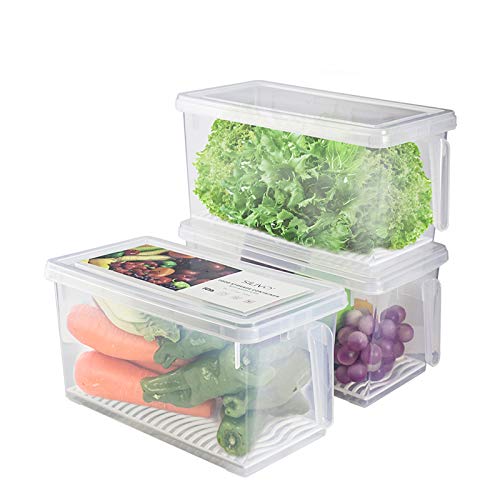
Keep Produce Fresh Longer: Produce saver containers for refrigerator helps prevent spoilage, keep fruits and vegetables crisp and stay longer.

4 Popular Heirloom Lettuce Varieties: Includes Red Romaine, Bibb Butterhead, Black Seeded Simpson, and Green Ice lettuce seeds to grow crisp, tender, and colorful salad greens with balanced flavor, texture, and visual appeal.
Overwatering Issues
Overwatering leads to root rot and wilting. Aim for 1-2 inches of water per week. Check the soil moisture by sticking your finger 1 inch deep; if it feels wet, skip watering. Adjust your watering schedule based on rainfall. Using organic mulch helps retain moisture and prevents waterlogged soil.
Poor Sunlight Exposure
Poor sunlight exposure stunts growth and affects flavor. Select a location with at least 6-8 hours of full sun daily. Monitor your lettuce; if it grows leggy and weak, it likely needs more light. Consider relocating the plants or trimming nearby foliage. If growing in containers, move them to a sunnier spot as needed.
Conclusion
Taking care of romaine lettuce can be a rewarding experience that enhances your meals and boosts your health. By following the tips shared here you can keep your lettuce fresh and crisp while enjoying its numerous nutritional benefits. Whether you’re growing it in your garden or storing it in your fridge the right techniques make all the difference.
Remember to keep an eye on watering and sunlight to ensure your plants thrive. With a little attention and care your romaine lettuce will not only stay fresh but also provide delicious crunch and vibrant flavor to your dishes. Enjoy every bite knowing you’re nourishing your body while savoring the fruits of your labor. Happy gardening and eating!
Frequently Asked Questions
How can I keep romaine lettuce fresh in the fridge?
To keep romaine lettuce fresh, wrap it in a damp paper towel and place it in a perforated plastic bag or container. Store it in the refrigerator’s crisper drawer, where humidity levels are higher, to maintain its crispness and prevent wilting.
What are the health benefits of romaine lettuce?
Romaine lettuce is packed with nutrients, including vitamins A, K, C, and folate. It’s low in calories, promotes hydration, supports digestive health, boosts your immune system, and strengthens bones, making it an excellent addition to a healthy diet.
What is the best way to grow romaine lettuce?
Choose a sunny location with 6-8 hours of full sun daily and well-draining soil. Use high-quality seeds, ideally disease-resistant varieties. Ensure proper watering, at least 1-2 inches weekly, and consider using organic mulch to retain moisture while suppressing weeds.
When should I harvest romaine lettuce?
Harvest romaine lettuce when the heads feel firm and the leaves are crisp, typically 70 to 85 days after planting. Use clean, sharp scissors or a knife to cut the heads from the base, either harvesting the entire head or picking outer leaves as needed.
What common mistakes should I avoid when growing romaine lettuce?
Avoid overwatering, which can cause root rot and wilting. Ensure your lettuce receives adequate sunlight to promote growth and flavor. Check soil moisture before watering, and adjust plant locations if they don’t receive enough sunlight.
