

Have you ever opened your fridge only to find your fresh loose leaf lettuce wilting away? It’s frustrating to waste food that could’ve added crunch to your salads or sandwiches. Proper storage can keep your lettuce crisp and fresh for longer, saving you time and money.
Key Takeaways
- Proper Storage is Essential: Maintaining the right conditions for loose leaf lettuce is vital for preserving its freshness, crispness, and nutritional value.
- Humidity and Temperature: Keep lettuce at a temperature between 32°F and 36°F and aim for a humidity level of around 90% for optimal freshness.
- Damp Paper Towel Method: Wrapping lettuce in a damp paper towel helps retain moisture without causing sogginess, significantly extending its shelf life.
- Avoid Airtight Containers: Allow some airflow around the lettuce by storing it in a perforated plastic bag or container; tight sealing can lead to spoilage.
- Keep Away from Ethylene-Producing Fruits: Store lettuce away from fruits like apples and bananas, as ethylene gas can accelerate spoilage.
Importance Of Proper Storage
Proper storage of loose leaf lettuce is crucial for maintaining its freshness and extending its shelf life. Fresh lettuce not only enhances your meals but also contributes to your overall health. Without proper storage, it can quickly lose its crispness and develop an undesirable texture.
Benefits Of Proper Storage
- Crispness Preservation: Maintaining the right moisture level keeps the leaves crunchy and vibrant.
- Extended Shelf Life: Good storage techniques can prolong freshness from a few days to over a week.
- Nutrient Retention: Properly stored lettuce retains its vitamins and minerals, ensuring you get the most out of your greens.
Techniques To Store Loose Leaf Lettuce
- Use a Damp Paper Towel: Place your lettuce in a clean container lined with a damp paper towel. This helps maintain moisture without making it soggy.
- Wrap in Plastic: Alternatively, wrap the lettuce in a loose plastic bag. Poke a few holes for ventilation to prevent moisture buildup.
- Store in the Crisper Drawer: Your fridge’s crisper drawer provides an optimal environment for leafy greens, helping them stay fresh longer.
- Washing Before Storage: Avoid washing your lettuce before storing. Excess moisture can cause it to wilt quickly. Wash it right before use instead.
- Sealing Tightly: Do not seal the lettuce in an airtight container. Some airflow is necessary to prevent spoilage.
- Storing Alongside Ethylene-Producing Fruits: Keep your lettuce away from fruits like apples and bananas. Ethylene gas can accelerate spoilage.
By following these guidelines, you can maximize the freshness and usability of your loose leaf lettuce, minimizing waste and enhancing your culinary creations.
Best Conditions For Storing Loose Leaf Lettuce
Storing loose leaf lettuce requires specific conditions to maintain freshness and crispness. You can optimize its storage by following these guidelines.
Recommended Products

𝐊𝐞𝐞𝐩𝐬 𝐕𝐞𝐠𝐞𝐭𝐚𝐛𝐥𝐞𝐬 𝐅𝐫𝐞𝐬𝐡 𝐋𝐨𝐧𝐠𝐞𝐫: The Home-X salad keeper for refrigerator is designed to preserve the freshness of lettuce, broccoli, cauliflower, and more. It creates an ideal cold, moist storage environment to help your vegetables stay crisp and fresh for longer periods.

Crisper Basket is designed for smaller items that often get lost in crispers like lemons, limes and jalapenos

Prolongs Freshness – Lettuce and vegetable crisper will keep your vegetables such as lettuce, broccoli and cauliflower fresh longer. Container provides an ideal cold, moist storage condition which maintains food’s natural humidity.
Temperature Requirements
Maintain lettuce in a refrigerator set between 32°F and 36°F (0°C to 2°C). This temperature range keeps lettuce fresh without freezing it. Place the lettuce in the crisper drawer, as this area often has stable temperatures ideal for leafy greens. If your fridge runs warmer, consider using ice packs in the drawer for added cooling. Avoid placing lettuce near the fridge door, where temperature fluctuations occur.
Humidity Levels
Keep humidity at around 90% for optimal storage. Wrap the lettuce loosely in a damp paper towel before placing it in a perforated plastic bag. This method retains moisture without making the leaves soggy. If your fridge lacks humidity control, consider using a container with a vented lid. Monitor the moisture levels regularly, and replace the paper towel if it becomes too wet. Proper humidity hinders wilting and keeps leaves crisp longer.
Methods To Store Loose Leaf Lettuce
Proper storage techniques keep your loose leaf lettuce fresh and crisp. Here are effective methods to enhance its longevity.
Recommended Products

Keep your produce fresh for longer: The PrepSolutions Lettuce Keeper keeps your produce fresh with an adjustable air vent and water reservoir, creating the ideal environment for fresh fruits and vegetables. Item measures 12.5" W x 7.25" D x 5.25" H and weighs 1.14 lbs.

Freshness and Crispness: This vegetable and lettuce container maintains the natural humidity of your produce, keeping them fresh and crisp for longer. It's an excellent way to ensure that your vegetables don't go to waste and stay flavorful.
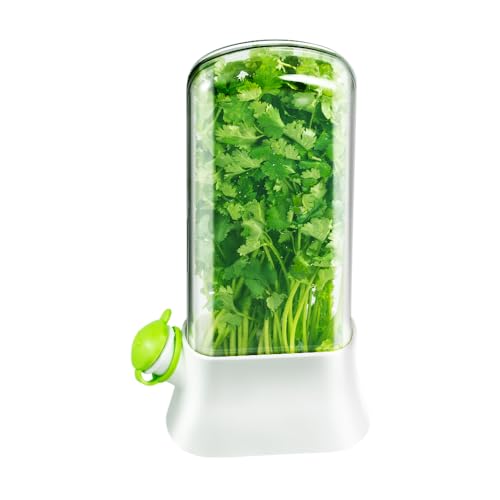
✅ Keeps Herbs Fresh Up to 3X Longer – BPA-free herb keeper extends the shelf life of your fresh herbs, preventing wilting and yellowing while keeping unwanted fridge odors out of your salads. Fits perfectly in most refrigerator doors.
Refrigeration Techniques
- Use a Damp Paper Towel: Wrap your lettuce in a damp paper towel. This method helps maintain moisture without excess water, keeping the leaves fresh for longer.
- Ventilated Plastic Bag: Place the wrapped lettuce in a perforated plastic bag. This allows air circulation while retaining moisture, reducing the risk of wilting.
- Crisper Drawer Placement: Store the lettuce in the crisper drawer of your fridge. This area offers stable temperatures and humidity, favoring leafy greens.
- Avoid Sealing Tightly: Don’t tightly seal the bag. A little airflow prevents moisture buildup, which can lead to rot.
- Temperature Check: Keep your fridge temperature between 32°F and 36°F (0°C to 2°C). Consistent temperatures aid in extending the shelf life of your lettuce.
- Choose a Cool, Dark Place: If you can’t refrigerate the lettuce, store it in a cool area away from direct sunlight. Heat accelerates spoilage.
- Use a Container: Place the lettuce in a breathable container, such as a colander. This setup allows airflow, which keeps the leaves crisp.
- Monitor Daily: Check the lettuce daily for wilting or dryness. If it starts to wilt, lightly mist it with water to refresh the leaves.
- Keep Away from Fruits: Keep loose leaf lettuce away from ethylene-producing fruits like apples and bananas. Ethylene gas speeds up spoilage.
- Consume Quick: Plan to use the lettuce within a few days if stored at room temperature. Freshness declines faster without refrigeration.
Tips For Extending Freshness
Extending the freshness of your loose leaf lettuce involves careful cleaning and drying practices. Following these tips helps maintain its crisp texture and vibrant color.
Recommended Products

One-Touch OXO Salad Spinner: Did you know that OXO invented the one-touch salad spinner? Its one-handed pump gives you maximum drying of lettuce with minimum effort

COMPACT SALAD SPINNER, BIG PERFORMANCE — Small salad spinner packs full-size drying power in a space-saving design. One-hand pump spins lettuce, herbs & greens dry in seconds. Best rated by thousands. Perfect for apartments, couples & small kitchens.

LARGE PREMIUM STAINLESS STEEL BOWL: The salad spinner features a large, practical 5.3 quart 304 stainless steel bowl, ensures durability and a sleek appearance.
Cleaning and Drying
Cleaning lettuce before storage prevents grit and contaminants. Start by rinsing leaves under cold running water. This removes dirt and any potential pesticide residue. After rinsing, gently shake off excess water. For thorough drying, use a salad spinner. This tool efficiently removes moisture, ensuring your lettuce stays crisp longer. If you don’t have a salad spinner, lay the leaves flat on a clean kitchen towel and blot gently to absorb moisture.
Use of Paper Towels
Using paper towels aids in moisture control when storing lettuce. Wrap the cleaned and dried leaves loosely in a dry paper towel. The towel absorbs excess moisture while keeping the lettuce hydrated enough to stay fresh. Place the wrapped leaves inside a perforated plastic bag or container. This setup maintains airflow, allowing your lettuce to breathe without becoming soggy. Replace the paper towels as needed, especially if they become damp. This simple step greatly enhances the longevity of your lettuce.
Conclusion
Storing loose leaf lettuce doesn’t have to be a hassle. With a few simple techniques, you can keep your lettuce fresh and crisp for longer. Remember to control moisture and temperature to maintain that delightful crunch you love.
By wrapping your lettuce properly and storing it in the right conditions, you’ll not only reduce waste but also enjoy healthier meals. So the next time you pick up a bunch of fresh lettuce, you’ll know just how to keep it at its best. Happy storing and enjoy your salads!
Frequently Asked Questions
How can I prevent my loose leaf lettuce from wilting in the fridge?
To prevent wilting, store your loose leaf lettuce in the crisper drawer of the fridge at a temperature between 32°F and 36°F (0°C to 2°C). Wrap it in a damp paper towel and place it in a perforated plastic bag to maintain humidity and airflow.
Should I wash lettuce before storing it?
It’s best to avoid washing lettuce before storage. Instead, rinse it just before use to prevent excess moisture, which can lead to spoilage. If you wash it beforehand, dry the leaves thoroughly with a salad spinner or towel.
What is the best way to store leftover lettuce?
For leftover lettuce, wrap it loosely in a dry paper towel to absorb moisture and place it in a perforated plastic bag. This keeps airflow consistent and helps extend freshness.
Can I store lettuce with fruits?
Avoid storing lettuce alongside ethylene-producing fruits like apples and bananas. These fruits can accelerate spoilage and lead to faster wilting, reducing the shelf life of your lettuce.
How often should I replace the paper towels?
Replace the paper towels when they become damp or discolored to ensure optimal moisture control. Regular checks can help maintain the freshness of your lettuce.
