

Have you ever harvested a fresh head of lettuce only to watch it wilt away in your fridge? It’s frustrating to put in all that effort and then see your hard work go to waste. Proper storage is key to keeping your lettuce crisp and delicious for days.
In this article, you’ll discover simple and effective techniques to store your lettuce after harvest. By following these tips, you can enjoy your homegrown greens longer and reduce food waste. Whether you’re a seasoned gardener or just starting out, these easy methods will help you savor the freshness of your harvest.
Key Takeaways
- Proper storage of harvested lettuce is essential to retain freshness, flavor, and nutritional value, minimizing food waste.
- Aim to store lettuce at temperatures between 32°F and 36°F and avoid proximity to ethylene-producing fruits to prevent spoilage.
- Handle lettuce gently and dry thoroughly after washing to keep it crisp and to avoid promoting rot.
- Use breathable containers or bags, layering with damp paper towels to maintain moisture levels without causing sogginess.
- When wilted, rehydrate lettuce by soaking in cold water for 10-15 minutes to restore its crispness before proper storage.
- For long-term storage, consider freezing blanched lettuce for use in cooked dishes, though it may alter texture.
Importance Of Proper Lettuce Storage
Proper lettuce storage preserves freshness, flavor, and nutrients. Fresh lettuce serves as an essential ingredient in salads and dishes, and storing it correctly extends shelf life. Following effective storage techniques helps you minimize food waste and enjoy your homegrown produce longer.
Retains Crispness
Storing lettuce properly retains its crisp texture. When lettuce wilts, it loses its appealing crunch. You can maintain freshness by keeping it cool. Temperature plays a significant role; aim for 32°F to 36°F in your fridge.
Prevents Spoilage
Effective storage prevents spoilage. Lettuce is prone to spoilage from moisture or ethylene-producing fruits. Storing lettuce in breathable bags or containers can regulate moisture levels, reducing decay. Always separate it from ethylene emitters like apples and bananas.
Enhances Flavor
Proper storage enhances flavor. Fresh lettuce boasts delightful taste profiles, which can diminish with time. Crisp and well-stored lettuce maintains its natural sweetness and pleasant bitterness, elevating your culinary creations.
Boosts Nutritional Value
Properly stored lettuce retains its nutritional value. Vitamins and minerals degrade over time, especially when exposed to air and light. Simple storage methods keep the lettuce’s nutrient content intact, ensuring nutritious meals for you and your family.
Best Practices For Storing Lettuce
Storing lettuce properly enhances its freshness and extends its shelf life. Follow these best practices to keep your homegrown greens crisp and flavorful.
Recommended Products

Can be used with economy regular paper towels
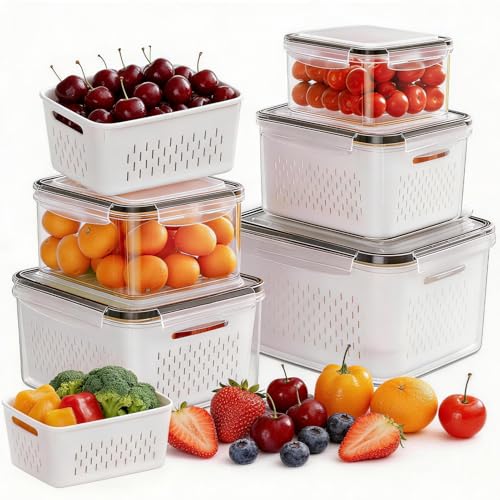
🍓【5 Pack Fruit Storage Set】 More Thicker fruit containers for fridge set include 5 pack of X-Large size 140 OZ(4.15L) + large size 106 OZ (3.15L) + medium size 57 OZ(1.7L) + small size 27 OZ(0.8L) +mini size 13 OZ(0.38L). The produce storage baskets are combined soaking, washing, draining and storage functions, makes your life easier. Various capacities can storage perfectly fit for most fruits, veggies and other food

【8 Pack Fruit Storage Set】 Fruit storage containers for fridge includes include 8 pack of large size 3.3QT (3.15L) * 2 + medium size 1.8QT(1.7L) * 2 +small size 0.85QT(0.8L) * 2+ mini size 0.4QT(0.38L) * 2. Various capacities perfect for most fruit, vegetable, lettuce, berry, cereal, meat, produce and other food storage
Harvest Timing
Harvest lettuce during the coolest part of the day, usually in the early morning or late afternoon. This timing helps maintain moisture levels and reduces stress on the leaves. Avoid harvesting in hot weather or direct sunlight to prevent wilting. Quick handling after harvest ensures optimal freshness, so aim to store it within two hours.
Handling Techniques
Handle lettuce gently to avoid bruising. When washing, use cool water to clean the leaves. Trim any damaged or wilted leaves immediately. After washing, dry the lettuce thoroughly using a salad spinner or clean kitchen towels. Excess moisture promotes rot, so ensure you’re storing dry leaves. Finally, layer the lettuce between paper towels in a breathable container to absorb any remaining moisture without smothering the leaves. This technique keeps your lettuce fresh and crisp for up to one week.
Storage Methods For Lettuce
Storing lettuce properly preserves its freshness and flavor. Here are effective methods for keeping your harvested greens crisp and delicious.
Recommended Products

Keep your produce fresh for longer: The PrepSolutions Lettuce Keeper keeps your produce fresh with an adjustable air vent and water reservoir, creating the ideal environment for fresh fruits and vegetables. Item measures 12.5" W x 7.25" D x 5.25" H and weighs 1.14 lbs.

𝐊𝐞𝐞𝐩𝐬 𝐕𝐞𝐠𝐞𝐭𝐚𝐛𝐥𝐞𝐬 𝐅𝐫𝐞𝐬𝐡 𝐋𝐨𝐧𝐠𝐞𝐫: The Home-X salad keeper for refrigerator is designed to preserve the freshness of lettuce, broccoli, cauliflower, and more. It creates an ideal cold, moist storage environment to help your vegetables stay crisp and fresh for longer periods.

Freshness and Crispness: This vegetable and lettuce container maintains the natural humidity of your produce, keeping them fresh and crisp for longer. It's an excellent way to ensure that your vegetables don't go to waste and stay flavorful.
Refrigeration
Refrigerate lettuce promptly after harvest. Place unwashed, dry lettuce in breathable containers or bags to retain moisture while allowing air circulation. Store it in the crisper drawer, ideally between 32°F and 36°F. Wrap loose leaves in damp paper towels to maintain hydration and crispness. Avoid storing lettuce near ethylene-producing fruits like apples and bananas, as these can accelerate spoilage.
Freezing
Freezing lettuce isn’t ideal for maintaining its texture, but it’s possible for cooked dishes. Blanch leaves for 2-3 minutes in boiling water, then cool them in ice water to stop cooking. Drain and pack the leaves in airtight bags, removing as much air as possible before sealing. Label the bags with the date. Use frozen lettuce in soups or smoothies, where texture matters less.
Hydration Techniques
Rehydrate lettuce when it appears wilted or dry. Soak it in cold water for about 10-15 minutes, then drain gently and pat dry. This method revitalizes limp leaves, making them crisp again. Store the rehydrated lettuce in a breathable container lined with paper towels to absorb excess moisture. For added freshness, place a damp paper towel in the container, helping to maintain humidity without making the lettuce soggy.
Tips For Long-Lasting Freshness
Storing lettuce properly not only keeps it fresh but also enhances its flavor and nutritional value. Here are some essential tips to maintain that crispness you love.
Packaging Considerations
Choose the right packaging to keep your lettuce fresh. Use breathable containers, like perforated plastic bags or containers with ventilation holes. These allow for air circulation, preventing moisture buildup that can lead to rot. You can also layer damp paper towels in the container to help absorb excess moisture. If you prefer using a regular bag, ensure it’s not entirely sealed; leaving it slightly open helps balance humidity levels.
Ideal Temperature and Humidity
Store lettuce at temperatures between 32°F and 36°F for optimal freshness. This range slows down the decay process while maintaining crispness. Place your lettuce in the crisper drawer of your fridge, as it typically offers the right humidity levels and cooler temperatures. If your fridge has adjustable humidity settings, set dial to a low-humidity environment. For maximum effectiveness, keep lettuce away from ethylene-sensitive fruits like apples and bananas, which can cause premature spoilage.
Conclusion
Storing your freshly harvested lettuce doesn’t have to be a challenge. With a few simple techniques you can keep your greens crisp and flavorful for days. Remember to handle your lettuce gently and maintain the right moisture levels to prevent spoilage.
By following these tips you’ll not only enjoy the best taste but also make the most of your homegrown bounty. Whether you’re tossing together a salad or adding greens to your favorite dish your well-stored lettuce will shine. Happy harvesting and enjoy your delicious creations!
Frequently Asked Questions
How can I prevent my harvested lettuce from wilting in the fridge?
To keep your lettuce fresh, store it in the fridge at a temperature between 32°F and 36°F. Use breathable containers or perforated bags to allow airflow. Layer lettuce between paper towels to absorb excess moisture, and always keep it away from ethylene-producing fruits.
What is the best way to wash lettuce after harvesting?
Wash your lettuce with cool water to remove dirt and debris. Handle the leaves gently to avoid bruising, and make sure to dry them thoroughly to prevent rot. Use a salad spinner or lay the leaves between clean towels.
How long can I store lettuce in the fridge?
If stored properly, harvested lettuce can last up to one week in the fridge. Use breathable containers, keep it dry, and wrap loose leaves in damp paper towels to help retain moisture without causing rot.
Can I freeze lettuce for later use?
Yes, you can freeze lettuce, especially for cooked dishes. Blanch the leaves briefly in boiling water, then cool them in ice water. Pack the cooled leaves in airtight bags before freezing. However, freezing may change the texture, making it unsuitable for salads.
What should I do if my lettuce starts to wilt?
To revive wilted lettuce, soak the leaves in cold water for about 30 minutes. After soaking, gently pat the leaves dry and store them in a breathable container lined with paper towels to keep them crisp.
