

Have you ever opened your fridge only to find your fresh leaf lettuce wilted and slimy? You’re not alone. Many people struggle with keeping their greens crisp and delicious for more than a few days. It’s frustrating to waste food that you were excited to use in salads or sandwiches.
Key Takeaways
- Proper Storage is Key: Storing leaf lettuce correctly keeps it fresh, crisp, and nutritious, preventing wilting and slime for longer shelf life.
- Keep it Dry: Excess moisture causes rot; rinse lettuce only before use and wrap in paper towels to absorb moisture during storage.
- Use Airtight Containers: Opt for airtight containers or breathable bags to limit air exposure while maintaining humidity essential for freshness.
- Ideal Temperature: Store lettuce in the crisper drawer at temperatures between 32°F and 36°F (0°C to 2°C) to optimize freshness.
- Avoid Common Mistakes: Steer clear of using plastic bags, overcrowding the fridge, and ignoring damaged leaves to maintain lettuce quality longer.
Importance Of Proper Lettuce Storage
Proper storage of leaf lettuce keeps it fresh, crisp, and nutritious. Storing it correctly prevents wilting and slime, preserving the quality for salads and sandwiches. Leaf lettuce contains water and is sensitive to temperature changes.
Benefits Of Correct Storage
- Enhanced Freshness: Storing lettuce in optimal conditions maintains its crunchy texture. Fresh lettuce tastes better and retains more nutrients.
- Reduced Waste: By preventing spoilage, you minimize food waste. This leads to savings on grocery bills and makes meal planning easier.
- Healthier Meals: Fresh lettuce adds vitamins to your diet. It contributes vitamins A, C, and K, which support overall health.
- Keep It Dry: Excess moisture leads to rot. Rinse lettuce only before use, and wrap it in a paper towel to absorb any excess moisture in the fridge.
- Use Airtight Containers: Store lettuce in airtight containers or resealable bags. This limits air exposure while maintaining humidity, essential for freshness.
- Proper Temperature: Store lettuce in the crisper drawer, where the temperature stays consistent. Aim for a temperature close to 34°F (1°C) for ideal storage conditions.
By focusing on proper storage, you enhance your cooking experience and enjoy healthier meals.
Step-By-Step Guide
To keep leaf lettuce fresh in the fridge, follow these steps for optimal storage. Proper methods help prevent wilting and sliminess, ensuring you enjoy crisp salad greens longer.
Recommended Products

Keep your produce fresh for longer: The PrepSolutions Lettuce Keeper keeps your produce fresh with an adjustable air vent and water reservoir, creating the ideal environment for fresh fruits and vegetables. Item measures 12.5" W x 7.25" D x 5.25" H and weighs 1.14 lbs.

5 packs : You will get 5 fridge storage containers with colander size from 300 ml to 4200 ml [10 oz - 148 oz ]. Suited for Most fruits, vegetables, berries, meats.

KEEP PRODUCE FRESHER LONGER: Rubbermaid FreshWorks Produce Saver uses FreshVent technology to regulate airflow, so your produce stays fresher longer
Preparing Leaf Lettuce For Storage
- Wash your lettuce. Rinse the leaves under cold water to remove dirt and potential pesticides. Spin or pat the leaves dry with a clean kitchen towel to avoid excess moisture.
- Remove damaged leaves. Inspect the lettuce for any wilted or slimy leaves. Discard them to prevent cross-contamination.
- Keep lettuce whole. If possible, store the head of lettuce intact. Cutting it into smaller pieces leads to faster deterioration.
- Choose breathable containers. Opt for produce bags or containers with ventilation holes. This setup maintains humidity while allowing excess moisture to escape.
- Use airtight containers. If you’re using a container, ensure it’s airtight. This setup keeps your lettuce from drying out.
- Avoid plastic wrap. Steer clear of wrapping lettuce in plastic. It traps moisture, promoting slime and degradation.
By prepping and storing your leaf lettuce properly, you ensure maximum freshness and minimize food waste.
Best Practices For Refrigeration
Properly storing leaf lettuce keeps it fresh longer and prevents unwanted spoilage. Follow these best practices to maximize the shelf life of your greens.
Recommended Products

𝐊𝐞𝐞𝐩𝐬 𝐕𝐞𝐠𝐞𝐭𝐚𝐛𝐥𝐞𝐬 𝐅𝐫𝐞𝐬𝐡 𝐋𝐨𝐧𝐠𝐞𝐫: The Home-X salad keeper for refrigerator is designed to preserve the freshness of lettuce, broccoli, cauliflower, and more. It creates an ideal cold, moist storage environment to help your vegetables stay crisp and fresh for longer periods.

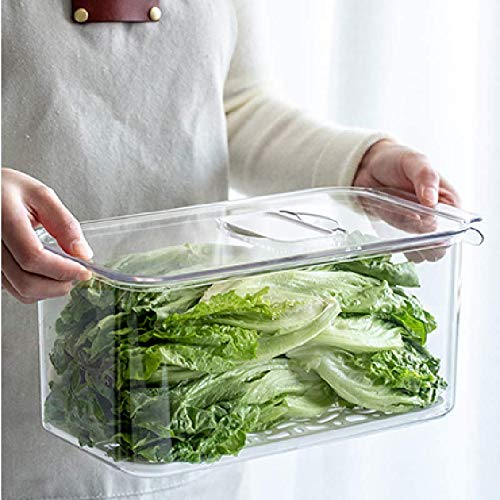
Note: NOT dishwasher safe! NOT for microwave oven! Working celsius temperature -30℃~60℃,suitable for refrigerator and freezer.
Ideal Temperature For Storing Lettuce
Maintain your refrigerator temperature between 32°F and 36°F (0°C to 2°C) to ensure optimal freshness for leaf lettuce. The crisper drawer usually provides the best environment for leafy greens. This cooler, humid space preserves moisture while preventing decay. If your fridge has adjustable humidity settings, keep them set to high for lettuce.
How To Organize Your Fridge
Organizing your fridge can make a significant impact on the longevity of your lettuce.
- Store Leaf Lettuce in the Crisper: Keep it in the designated crisper drawer to reduce exposure to air and light.
- Group by Type: Store different greens separately. Avoid placing lettuce near strong-smelling foods or fruits to prevent flavor transfer.
- Use Breathable Containers: Choose perforated plastic bags or containers with holes. These allow air circulation while maintaining moisture.
- Avoid Overcrowding: Don’t cram too much into one space. Air needs to circulate around the lettuce to avoid wilting and spoilage.
By following these practices, you can keep your leaf lettuce crisp and fresh, ensuring you enjoy every bite without waste.
Common Mistakes To Avoid
Avoiding common mistakes ensures leaf lettuce stays fresh longer. Here’s what you should steer clear of:
- Skipping Washing
Always wash your lettuce to remove dirt and pesticides. If you don’t wash it, these residues can accelerate spoilage. - Using Plastic Bags
Don’t store lettuce in plastic bags. These can trap moisture. Instead, opt for breathable containers or wrap it in a damp paper towel for ventilation. - Overcrowding the Fridge
Avoid cramming too many items in the fridge. Overcrowding restricts airflow, leading to wilting and spoilage. Keep your lettuce in a designated crisper drawer. - Not Checking Temperature
Ensure your fridge temperature stays between 32°F and 36°F. If it’s too warm, lettuce wilts quickly. If it’s too cold, it could freeze and become mushy. - Ignoring Expiry Dates
Don’t overlook expiration dates on pre-packaged lettuce. Consuming or storing old lettuce can lead to unpleasant flavors and textures. - Storing with Ethylene-Producing Fruits
Don’t store lettuce near ethylene-producing fruits like apples or bananas. Ethylene gas accelerates spoilage, causing your lettuce to go bad sooner. - Not Removing Damaged Leaves
Always check and remove any damaged leaves before storage. These can promote spoilage and affect the freshness of the remaining leaves. - Forgetting to Organize
Don’t ignore the organization of your fridge. Easy access to your leafy greens encourages you to use them promptly, reducing waste. - Leaving Lettuce Uncovered
Always cover your lettuce. Leaving it uncovered exposes it to odors and moisture, leading to undesirable changes in flavor and texture.
Following these tips maintains the freshness of your leaf lettuce, ensuring you enjoy crisp, nutritious greens.
Conclusion
Keeping your leaf lettuce fresh in the fridge is easier than you might think. By following the right storage techniques you can enjoy crisp and nutritious greens for days. Remember to wash and dry your lettuce properly and store it in breathable containers to prevent moisture buildup.
Organizing your fridge and avoiding common mistakes will go a long way in maintaining that fresh crunch. With a little care your lettuce can stay vibrant and delicious making your salads and meals even better. So go ahead and enjoy your fresh greens without the worry of spoilage.
Frequently Asked Questions
How can I prevent my leaf lettuce from wilting in the fridge?
To prevent wilting, wash and dry leaf lettuce thoroughly, remove any damaged leaves, and store it in a breathable container. Keep the temperature between 32°F and 36°F and place it in the crisper drawer of your fridge.
What is the best way to store leaf lettuce?
Store leaf lettuce in a breathable container to allow airflow. Avoid using plastic bags, as they trap moisture, leading to sliminess. Organize your fridge and keep lettuce in the crisper drawer.
Why does my lettuce get slimy in the fridge?
Lettuce becomes slimy due to excess moisture and poor ventilation. Using plastic bags, overcrowding the fridge, or not washing it properly can contribute to this problem.
What’s the ideal temperature for storing lettuce?
The ideal temperature for storing leaf lettuce is between 32°F and 36°F. This range helps maintain freshness and prolongs the shelf life of your lettuce.
Should I wash lettuce before storing it?
It’s best to wash lettuce before consumption rather than before storage. Washing it can introduce moisture, which may lead to wilting or sliminess. Dry thoroughly before use.
Can I store lettuce with fruits?
Avoid storing lettuce with ethylene-producing fruits (like apples and bananas), as they can cause lettuce to spoil faster. Keep them separate to maintain freshness.
What common mistakes should I avoid with lettuce storage?
Common mistakes include skipping washing, using plastic bags, overcrowding the fridge, not checking temperature, ignoring expiry dates, and leaving lettuce uncovered. Avoiding these can extend lettuce freshness.
