

Ever wondered how to keep those freshly harvested carrots crisp and flavorful for longer? Picture this: after a day of gardening, you proudly pull out those vibrant orange beauties from the ground. But then comes the dilemma – how do you store them properly to maintain their freshness?
Best practices for harvesting carrots
When it comes to harvesting carrots, following best practices ensures that you enjoy the freshest produce long after your gardening session. Here are tips to make the most out of your carrot harvest:
- Timing is Key: Harvest carrots in the morning for the best flavor and texture.
- Handle with Care: Gently pull the carrot from the soil, avoiding damage to the vegetable.
- Remove the Tops: Trim the foliage to prevent moisture loss from the roots.
- Wash and Dry: Clean your carrots gently to remove soil, then pat them dry before storage.
Remember, following these harvesting tips sets the stage for proper storage and high-quality carrots for your culinary creations.
Cleaning and preparing freshly harvested carrots
To ensure the longevity of your freshly harvested carrots, proper cleaning and preparation are essential steps. Here’s how you can get your carrots ready for storage:
- First, gently rinse your carrots under cool running water to remove any excess dirt or debris. Avoid using soap or harsh chemicals as they can degrade the quality of the carrots.
- Next, use a vegetable brush or a cloth to scrub the carrots lightly. Focus on areas where soil may be trapped, such as around the tops and crevices.
- Once cleaned, trim off the tops of the carrots. This helps prevent moisture loss and prolongs the freshness of the carrots during storage.
- If you prefer peeled carrots, you can peel them at this stage using a vegetable peeler. However, keep in mind that many nutrients are found in or just below the skin, so peeling is optional.
- After cleaning and trimming, allow the carrots to air dry. Once dry, transfer them to a storage container or plastic bag with holes for ventilation.
- Store the carrots in the vegetable crisper of your refrigerator. They should last for several weeks when stored properly.
Taking the time to clean and prepare your freshly harvested carrots correctly will ensure that you can enjoy them at their best for longer periods.
Choosing the right storage method
When it comes to storing freshly harvested carrots, selecting the appropriate method is essential to maintain their freshness and flavor. Here are some tips to help you choose the right storage approach:
- Refrigeration:
- Store unwashed carrots in a perforated plastic bag in the vegetable crisper of your refrigerator.
- Maintain humidity to prevent wilting by placing a damp paper towel in the bag.
- Root Cellar:
- If you have a cool, dark, and humid root cellar, consider storing them there.
- Bury the carrots in damp sand or sawdust for long-term storage.
- Freezing:
- Blanch the carrots before freezing to preserve their color and texture.
- Package them in airtight containers or freezer bags to prevent freezer burn.
- Pickling:
- Transform your carrots into tasty pickles for a longer shelf life and a zesty flavor.
- Experiment with different flavors like dill or ginger for a unique twist.
By choosing the right storage method based on your needs and resources, you can ensure that your freshly harvested carrots stay fresh and delicious for an extended period.
Recommended Products
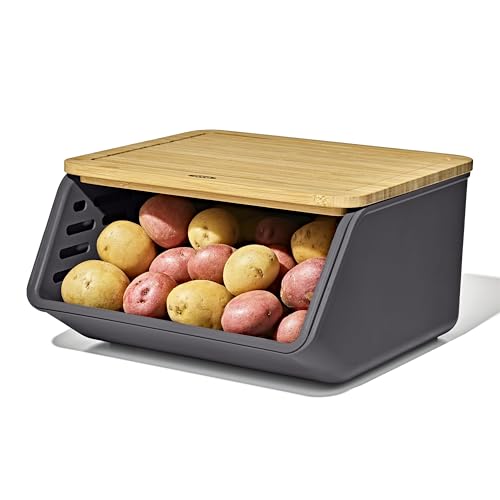
Longer-lasting freshness: Opaque bin and FSC-certified bamboo lid help maintain a cool, dark environment ideal for potatoes, onions and other root vegetables
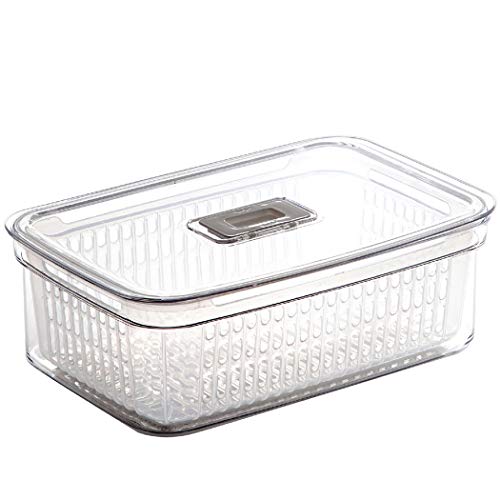
Clever Design: The BINO produce saver is made of a durable material that is easy to clean and has a tight-fitting lid to keep out moisture and air. It has a removable colander-style basket that helps drain any excess water.

Sweet, Coreless Roots: Heirloom carrots with tender 9-10 inches orange taproots and high sugar content. Grow in 3-10 USDA zones. Great carrots seeds for planting in any home garden.
Storing carrots in the fridge
When it comes to Storing carrots in the fridge, there are a few key steps to follow to maintain their freshness. Here’s what you need to do:
- Preparation: Before storing carrots in the fridge, make sure to remove the green tops, as they can draw out moisture from the roots.
- Storage Container: Opt for a perforated plastic bag. Place the carrots in the bag and add a slightly damp paper towel to help maintain the right level of moisture.
- Temperature: Store the bag of carrots in the vegetable crisper drawer of your fridge. The ideal temperature for carrot storage is around 32°F to 40°F.
- Safety: Keep carrots away from ethylene-producing fruits like apples and pears, as this can cause them to become bitter.
By following these simple steps, you can extend the shelf life of your freshly harvested carrots and ensure they stay crisp and flavorful for longer.
Recommended Products

Contains (1) ProKeeper Produce Keeper, 3-Quart with Stay Fresh Vent

Extra-Long 14-Inch Design for Celery and More Sized to hold full-length celery, carrots, scallions, and other long vegetables without folding or trimming.

Keep Produce Fresh Longer: Produce containers for fridge with lids helps prevent spoilage, keep fruits and vegetables crisp and stay longer.
Storing carrots in a root cellar or basement
When it comes to storing carrots for the long term, a root cellar or basement can be your best friends. These cool, dark spaces provide the ideal conditions for preserving the freshness and flavor of your carrots. Here’s how you can do it effectively:
- Prepare the carrots: Harvest your carrots carefully, removing any excess soil but avoiding washing them to prevent spoilage.
- Create a bed: Lay down a thick layer of damp sand or sawdust at the bottom of your root cellar or basement. Make sure it’s moist but not soggy.
- Place the carrots: Organize your carrots in a single layer on top of the sand or sawdust. Avoid letting the carrots touch each other.
- Cover them: Layer another thin sheet of damp sand or sawdust on top of the carrots. This helps maintain the humidity levels and prevents moisture loss.
- Check regularly: Inspect your carrots periodically for any signs of decay. Remove any spoiled ones to prevent contamination.
By following these steps, you can store your freshly harvested carrots in a root cellar or basement successfully, enjoying crisp and flavorful carrots for weeks to come.
Recommended Products

Package includes 3 pack kitchen vegetable storage tins. Large size: 6.3 x 7.3 x 9.4 inches; Medium size: 5.6 x 5.6 x 6.7 inches; Small size: 4.6 x 4.6 x 5.6 inches. Hand wash only.

1. Bamboo Potato Bin - This kitchen storage tin is made of natural bamboo, bamboo is durable and sustainable, making it an excellent choice for onion storage. Product has installation instructions.

【Spacious 3-Tier Storage with Lids】 This wooden organizer offers three tiers of storage space. The top flip-up lid provides a dark, cool environment ideal for storing bread, tomatoes, broccoli, and radishes. The two lower shelves feature hide-able flip lids with breathable mesh panels, perfect for keeping potatoes, onions, and other root vegetables in a well-ventilated, cool, and dark place.
Conclusion
Storing freshly harvested carrots properly is essential for keeping them fresh and flavorful. By following the steps outlined in this article, you can ensure that your carrots stay crisp and delicious for weeks to come. Whether you choose to store them in a root cellar, basement, or another suitable location, the key is to create the right environment for preservation. Remember to check them regularly for spoilage and make any necessary adjustments to maintain their quality. With a little effort and attention to detail, you can enjoy the taste of freshly harvested carrots long after they’ve been pulled from the ground. Happy storing!
Frequently Asked Questions
How can I store freshly harvested carrots for long-term preservation?
To store freshly harvested carrots for long-term preservation, prepare them by removing excess soil and cutting off the greens. Create a damp sand or sawdust bed in a root cellar or basement, arrange the carrots in a single layer on the bed, cover them with another layer of damp material, and check regularly for spoilage. This method helps maintain the freshness and flavor of carrots for weeks.
What are the benefits of storing carrots in a root cellar or basement?
Storing carrots in a root cellar or basement provides a cool, dark environment that mimics the vegetable’s natural habitat in the ground. This environment helps preserve the freshness, texture, and flavor of the carrots for an extended period. Additionally, it helps prevent sprouting, wilting, and rotting, ensuring that the carrots remain crisp and flavorful for weeks.
