

Have you ever watched your beautiful lettuce plants suddenly shoot up and flower, leaving you with bitter greens? It’s a frustrating moment for any gardener. Lettuce bolting can ruin your hard work and leave you wondering what went wrong.
Key Takeaways
- Understand Lettuce Bolting: Recognize that bolting is a plant’s response to environmental stress, leading to flower and seed production, which results in bitter leaves.
- Identify Causes: Key factors include temperature fluctuations (above 75°F), long daylight hours, inconsistent watering, and excessive nitrogen fertilization.
- Choose Slow-Bolting Varieties: Opt for slow-bolting lettuce types like ‘Butterhead’, ‘Romaine’, and ‘Leaf’ to minimize the chances of premature flowering.
- Implement Proper Planting Techniques: Space seedlings adequately and use shading methods to protect from extreme temperatures. Consider starting seeds indoors to control transplant timing.
- Monitor and Manage Growth: Keep an eye on environmental factors, such as soil moisture and sunlight exposure, applying mulch and shade as needed to reduce stress.
- Recognize Early Signs: Be aware of symptoms like tall stalks and smaller leaves to address bolting proactively and extend your lettuce harvest.
Understanding Lettuce Bolting
Lettuce bolting refers to the process where lettuce plants prematurely produce flowers and seeds, often resulting in bitter-tasting greens. This phenomenon can distress gardeners, as it disrupts their growing plans and yields unpalatable leaves.
What Is Lettuce Bolting?
Lettuce bolting occurs when the plant senses specific environmental triggers, prompting it to shift its focus from leaf production to reproduction. This transition leads to stem elongation, flower formation, and eventually seed development. Recognizing the signs early can help you take action to prevent it.
Causes of Lettuce Bolting
Several factors contribute to lettuce bolting. Understanding these causes can help you minimize the chances:
- Temperature Fluctuations: Warm temperatures above 75°F (24°C) increase the likelihood of bolting. Since lettuce thrives in cooler conditions, sudden heat spells can prompt the plant to bolt.
- Day Length: Longer daylight hours can signal lettuce plants to flower. Varieties that are sensitive to photoperiod, such as Butterhead, are particularly susceptible to bolting in longer days.
- Water Stress: Inconsistent watering can stress lettuce plants. Stress from drought conditions or overwatering can trigger bolting, as the plant tries to reproduce before dying.
- Nutrient Levels: Over-fertilization with high nitrogen can enhance leafy growth but may speed up the bolting process when the plant is sufficiently mature. Balanced nutrient levels support healthy growth without premature bolting.
Understanding and addressing these causes helps create an environment supportive of your lettuce plants, ensuring a bountiful and flavorful harvest.
Preventive Measures
Taking steps to prevent lettuce bolting ensures a bountiful harvest of delicious greens. Focus on the following strategies for optimal results.
Recommended Products

Slow Bolt Arugula (Eruca vesicaria sativa) - bred to resist premature bolting, delivering 1-2 extra harvest weeks vs. standard arugula; bold peppery, nutty flavor for salads, pizza, pasta, and sandwiches; heirloom open-pollinated seeds breed true to type.

VIBRANT RED LEAF LETTUCE SEEDS – Distinct curly leaves with rich burgundy color and mild, sweet flavor make Lolla Rossa a standout choice for colorful salads and fresh table greens

Exceptional Germination Rates - Achieve a lush garden effortlessly with our Butter Crunch Lettuce seeds, boasting high germination rate. Ideal for both beginners and experienced gardeners, ensuring a successful harvest every time.
Choosing the Right Lettuce Varieties
Select slow-bolting lettuce varieties to enhance your chances of success. Options like ‘Butterhead’, ‘Romaine’, and ‘Leaf’ types exhibit resistance to bolting. Look for seeds labeled as heat-tolerant or bolt-resistant—these are designed for warmer climates and longer growing seasons.
Proper Planting Techniques
Implement proper planting techniques to reduce stress on your lettuce plants. Space seedlings adequately, around 10-12 inches apart, to ensure good airflow. Use shaded barriers or row covers to protect young plants from intense sunlight and temperature swings. Consider starting seeds indoors in cooler seasons and transplanting them outdoors.
Timing and Seasonal Considerations
Pay attention to the timing of planting to avoid bolting. Plant lettuce in early spring or early fall for cooler temperatures, as heat promotes bolting. Adjust your planting schedule based on your local climate. Monitor day length—shorter days may help prevent bolting during warmer months.
Environmental Factors
Environmental factors play a crucial role in lettuce bolting. By understanding these influences, you can take steps to minimize bolting and grow healthy lettuce.
Recommended Products

Comprehensive Winter Protection for Your Garden: Our outdoor plant covers provide complete freeze protection for strawberries, vegetables, tomatoes, fruit trees, citrus plants, shrubs, and potted plants throughout the winter. This frost cloth plant freeze protection shields delicate plants from sudden temperature drops, frost, and strong winds, ensuring they survive harsh winter conditions. Ideal for those looking for frost blankets for outdoor plants and reliable plant freeze protection covers.
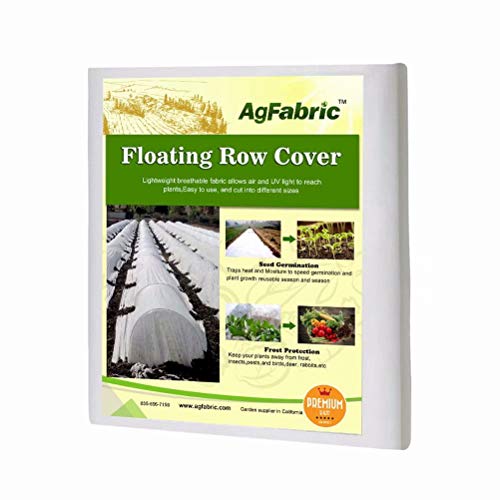
The plant row cover is made of 0.55 oz/sq non-woven polypropylene fabric which is lightweight breathable and durable. It allows air and moisture to reach your vegetables and flowers.

【High Quality ,More sizes, Give you more choices】- Our Shade Cloth can resist rays and most sunlight while air can still flow through so as to create a comfortable cool and shaded place for people or plants.
Temperature and Lettuce Growth
Temperature significantly affects lettuce growth. Ideal temperatures for growing lettuce range from 60°F to 70°F. Above 75°F, lettuce may bolt quickly. To mitigate this, choose heat-resistant varieties, like ‘Buttercrunch’ or ‘Iceberg.’
Timing your planting is essential. Start seeds indoors 4-6 weeks before the last frost date or sow seeds directly in the garden during early spring or late summer. This helps avoid the hottest parts of the season, reducing the risk of bolting.
Sunlight and Water Requirements
Sunlight exposure impacts lettuce quality and vigor. Lettuce requires 12-14 hours of light per day. While it thrives in full sun, excessive heat can trigger bolting. Use shade cloth or row covers to provide partial shade during peak sunlight hours on hot days.
Watering is equally important. Lettuce needs consistent moisture—about 1-2 inches of water per week. Irregular watering can stress the plants, leading to premature bolting. Check soil moisture regularly and consider using mulch to retain moisture and regulate soil temperature.
Managing Bolting in Existing Plants
Preventing bolting in lettuce plants requires keen observation and timely actions. By addressing early signs and employing effective techniques, you can maintain healthy plants and extend your harvest.
Recognizing Early Signs of Bolting
Look for specific indicators to catch bolting early. Signs include:
- Tall Stalks: Rapid elongation in the stems often signals the onset of bolting.
- Flower Buds: The appearance of small flower clusters indicates the plant’s shift toward reproduction.
- Leaf Changes: Leaves may become smaller, tougher, or start to yellow as the plant reallocates energy.
Monitoring for these symptoms allows you to take action before it’s too late.
Techniques to Delay Bolting
Implement strategies to extend the life of your lettuce plants. Consider these techniques:
- Water Consistently: Keep soil consistently moist, as stress from dehydration can trigger bolting.
- Apply Mulch: Use organic mulch to regulate soil temperature and maintain moisture.
- Provide Shade: Utilize shade cloth or plant taller crops nearby to reduce direct sunlight during the hottest part of the day.
- Harvest Regularly: Frequent harvesting promotes new growth and can deter bolting.
By actively managing these factors, you can keep your lettuce thriving longer in the garden.
Conclusion
With a little attention and care you can keep your lettuce thriving and delicious. By choosing the right varieties and implementing smart planting techniques you’ll set yourself up for success. Remember to stay vigilant for those early signs of bolting and take action quickly.
Whether it’s providing shade or adjusting your watering routine these small changes can make a big difference. Enjoy the process of nurturing your lettuce and savor the rewards of a vibrant garden. Happy gardening!
Frequently Asked Questions
What causes lettuce plants to bolt prematurely?
Lettuce plants typically bolt due to environmental stressors such as temperature fluctuations, inadequate nutrients, or changes in daylight. These stressors trigger the plant’s reproductive phase, leading to tall stalks and flowers. Recognizing these causes early is crucial to preventing bolting.
How can I prevent my lettuce from bolting?
To prevent bolting, choose slow-bolting lettuce varieties, plant them at the right time, and ensure proper care. Additionally, maintain consistent watering, provide shade during hot weather, and use mulch to regulate soil temperature.
What are the early signs of bolting in lettuce?
Early signs of bolting include the development of tall stalks, the formation of flower buds, and changes in leaf texture or color. Observing these indicators promptly can help you take action to delay the process.
How does consistent watering help in preventing bolting?
Consistent watering regulates soil moisture levels, reducing stress on the plants. Adequate hydration helps maintain healthy growth and delays the onset of bolting, ensuring a better harvest of leaves.
Why is it important to select the right lettuce variety?
Choosing the right variety is crucial because some lettuce types are bred to resist bolting in stressful conditions. Slow-bolting varieties are particularly suited for gardeners dealing with fluctuating temperatures, enhancing the chances for a successful crop.
