

Have you ever thought about growing your own lettuce but didn’t know where to start? You’re not alone. Many people want to enjoy fresh, crisp greens right from their backyard but feel overwhelmed by the process.
Planting lettuce is easier than you might think, and it can be a rewarding experience. Not only will you have a steady supply of delicious salad greens, but you’ll also save money and enjoy the satisfaction of growing your own food. This article will guide you through the simple steps to get started with planting lettuce, so you can enjoy fresh salads in no time.
Key Takeaways
- Lettuce Varieties: Familiarize yourself with the three main types of lettuce—leaf, head, and romaine—to choose the best for your garden. Each has unique growing requirements and flavors.
- Garden Preparation: Ensure your garden is well-prepared by selecting a sunny location, testing soil pH, and enriching it with organic matter for optimal lettuce growth.
- Planting Techniques: Utilize direct sowing or indoor seed starting for planting, following specific spacing and depth guidelines to promote healthy germination and growth.
- Consistent Care: Regularly monitor your lettuce’s watering needs, applying 1 to 1.5 inches of water per week, and fertilizing every 4 to 6 weeks for a thriving crop.
- Harvesting Tips: Recognize when to harvest based on the variety, using appropriate techniques to ensure continued growth and maintain freshness after harvest.
Understanding Lettuce Varieties
Lettuce comes in various types, each with unique flavors and textures. Knowing these varieties helps you choose the best ones for your garden and plates.
Leaf Lettuce
Leaf lettuce features loose, tender leaves with a mild flavor. It grows quickly, making it perfect for beginners. Common varieties include Butterhead and Looseleaf. These options thrive in cooler weather and can be harvested multiple times. Plant seedlings or direct sow seeds about 6-12 inches apart. Regular watering keeps the leaves crisp.
Head Lettuce
Head lettuce forms tight, compact heads with a crunchy texture. Varieties like Iceberg and Butterhead fall into this category. These types require more time to mature than leaf lettuce but offer a satisfying harvest when ready. Space seedlings about 12 inches apart and ensure ample sunlight for optimal growth. Harvest by cutting the entire head at the base.
Romaine Lettuce
Romaine lettuce features elongated leaves with a slightly bitter taste, great for salads and sandwiches. Popular variations include Parisian and Cos. This type thrives in well-draining soil with consistent moisture. Sow seeds directly into the garden or start indoors, spacing them 12-18 inches apart. Show patience, as romaine takes longer to mature but rewards with a robust flavor and crunchy texture.
Preparing Your Garden Space
Preparing your garden space is crucial for successfully growing lettuce. Follow these steps for optimal results.
Recommended Products

Kindly NOTE: This soil tester can not be applied to test pH value of any other liquid. If the soil is too dry the indicator will not move, and water it before testing.

Comprehensive Soil Analysis: Liquid soil test kits offer a comprehensive analysis of essential soil parameters, including pH, ammonia, nitrogen, phosphorus, and potassium. Having all these measurements in one kit provides a holistic understanding of the soil's fertility and health.

Accurate Soil pH Testing: Dewildetradingco Soil pH Test Strips offer measurements of soil pH levels (pH 3.5-9). As an essential tool for every gardener and grower, these test strips help determine the optimal pH for various plants, such as outdoor plants, indoor plants, gardens, grass lawns, fruit trees, flowers, vegetables, and forest shrubs.
Choosing the Right Location
Select a location that receives at least six hours of sunlight daily. Lettuce prefers a spot with partial shade, especially in hot climates. Consider proximity to your kitchen for easy access during harvest. Avoid areas with heavy foot traffic or poor drainage to ensure healthy growth.
Soil Preparation
Test your soil’s pH level. Lettuce thrives in soil with a pH between 6.0 and 6.8. Amend the soil as needed by adding organic matter, such as compost or well-rotted manure. This enriches the nutrients and improves drainage.
Loosen the soil to a depth of at least 12 inches. Remove weeds, rocks, and debris to create a clean planting area. Mixing in a slow-release fertilizer can boost plant health. After preparation, level the soil surface to promote even watering and planting.
Planting Lettuce Seeds
Planting lettuce seeds is a straightforward process that encourages every gardener. Follow these streamlined methods for successful planting.
Recommended Products

EASIER SEED STARTING: Our Burpee SuperSeed tray with 36 flexible pop-out cells is designed to simplify indoor seed starting for all your favorite vegetables, flowers and herbs. Just add seed starting mix, seeds, water and light to get growing! Rows are labeled alphanumerically for seedling identification with included Plant-o-Gram diagram. Tray dimensions: 11.5" x 10-3/8" x 2-1/4"
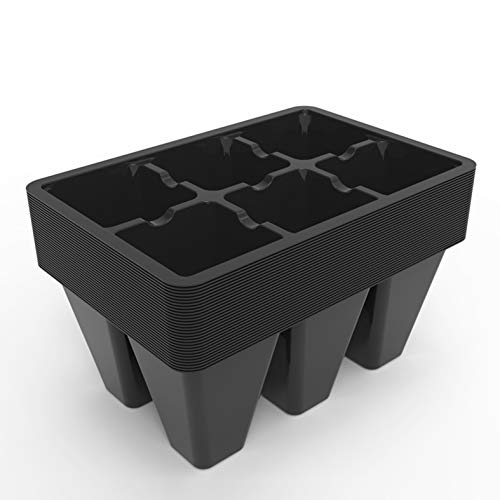
High Quality and Durable - Our Gardzen Seed Start Trays are made from premium plastic material, ensuring long-lasting use for all your seed starting needs. These trays are designed to withstand daily wear and tear, making them perfect for avid gardeners.

EASIER SEED STARTING: Our Burpee SuperSeed tray with 16 extra-large flexible pop-out cells is designed to simplify indoor seed starting. Just add seed starting mix, seeds, water and light to get growing! Rows are labeled alphanumerically for seedling identification with included Plant-o-Gram diagram.
Direct Sowing
Direct sowing involves planting seeds directly into the garden soil. Choose a time when soil temperatures range between 60°F and 70°F.
- Prepare Rows: Create rows spaced 12 inches apart in your garden bed.
- Sow Seeds: Sprinkle seeds evenly along the row, spacing them about 1 inch apart.
- Cover Seeds: Lightly cover seeds with ¼ inch of soil, as they require some light to germinate.
- Water Gently: Use a fine spray to moisten the soil without washing away seeds.
- Thin Seedlings: Once seedlings are 2 inches tall, thin them to about 6 to 12 inches apart for optimal growth.
Lettuce germinates quickly, often in 7 to 14 days.
Starting Seeds Indoors
Starting lettuce seeds indoors can extend your growing season.
- Select Containers: Use seed trays or small pots with drainage holes.
- Use Quality Soil: Fill containers with seed-starting mix, which retains moisture while draining excess water.
- Sow Seeds: Scatter seeds on the surface, and cover with ¼ inch of soil.
- Provide Light: Place trays under grow lights or in a sunny window to ensure 12 to 16 hours of light daily.
- Maintain Moisture: Keep the soil consistently moist but not soggy. A spray bottle works well for this.
- Transplant Seedlings: When seedlings develop two sets of true leaves, they’re ready for transplanting outdoors. Acclimatize them to outdoor conditions over several days before planting them in your garden.
Both methods provide effective options for starting your lettuce garden, suited to your preferences and climate.
Caring for Your Lettuce Plants
Caring for your lettuce plants ensures a healthy and productive crop. Focus on proper watering and fertilizing techniques to promote growth.
Recommended Products

【Adjustable valve】 The flow rate can be controlled. The plant watering Device with control valve can control the dripping speed of 0-62 s/drip, and the sustained drip lasts for 1-12 days, The bigger the bottle of water, the longer they water your plants; Water discharge is approx Only adjust the valve to Meet your needs without complicated setup steps.
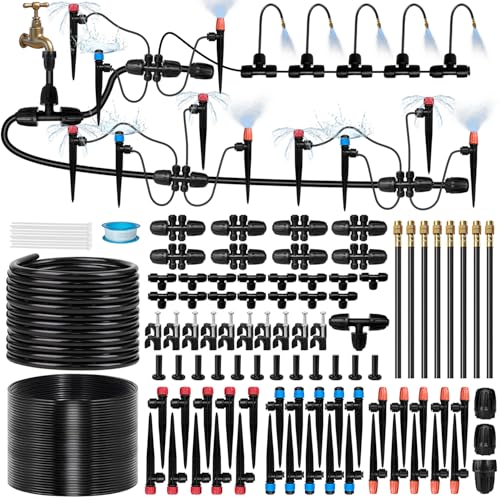
【Upgraded Tube Design & Water Saving】 Our garden watering system is upgraded to 1/2” diameter to support high water pressure. The 1/2” tee connector allows seamless splitting into 2 independent zones for customized watering schedules. By delivering moisture directly to root zones, this drip Irrigation system significantly reduces evaporation and runoff—saving more water compared to conventional sprinklers while eliminating the need for manual watering.

✔Comprehensive Drip Irrigation Kit:MIXC drip irrigation system, equipped with a versatile range of components, caters to all your garden watering needs.Includes essential parts such as 197ft 1/4'' irrigation tube, 33ft 1/2'' irrigation tube, 1/2‘’ Lock Barbed Tee connectors, drip emitter streams, vortex emitters, Blue Mist Nozzles, Quick connection tees, Faucet Connector, and more.
Watering Guidelines
Water your lettuce plants consistently. Aim for about 1 to 1.5 inches of water per week. Monitor soil moisture by checking the top inch; if it’s dry, water deeply. Early morning is the best time to water, as it reduces evaporation and prevents fungal diseases. Use soaker hoses or drip irrigation for efficient watering. Adjust your frequency based on rainfall and temperature. In hot weather, you might need to water every few days.
Fertilizing Tips
Fertilize your lettuce plants for optimal growth. Use a balanced fertilizer, like 10-10-10, or a compost blend to provide necessary nutrients. Apply fertilizer every four to six weeks, following package instructions. Avoid over-fertilizing, as it can lead to bitter leaves. If you prefer organic options, try fish emulsion or seaweed extract as natural fertilizers. Always mix fertilizers into the soil when planting to ensure even distribution.
Harvesting Your Lettuce
Harvesting your lettuce is straightforward, and knowing the right time and techniques ensures you’ll enjoy fresh greens at their best.
When to Harvest
Lettuce is ready for harvest 30 to 70 days after planting, depending on the variety.
- Leaf Lettuce: Begin harvesting when leaves are about 6 inches long. This allows for continuous cutting, promoting new growth.
- Head Lettuce: Wait until heads are firm and fully developed, usually around 70 days. You’ll know it’s ready when it feels solid when you squeeze it gently.
- Romaine Lettuce: Typically ready in 60 to 75 days, harvest when leaves are thick and the head is tight.
Check daily as they approach maturity to avoid bolting, which happens when plants flower prematurely, resulting in bitter leaves.
Techniques for Harvesting
Employ these techniques to harvest your lettuce effectively:
- Cutting Method: Use sharp scissors or a knife to cut the outer leaves of leaf lettuce just above the soil line. This method allows the inner leaves to keep growing.
- Whole Plant Method: For head and romaine lettuce, grab the base of the head and pull it gently from the soil. A twist can help release it cleanly.
- Leaf Removal: If you prefer, remove individual outer leaves for various salad greens while letting the center grow. This technique works well with leaf lettuce.
Always wash your lettuce immediately after harvesting, removing dirt and pests. Store it in the refrigerator in a damp paper towel to maintain freshness.
Conclusion
Starting your lettuce garden can be a rewarding experience that brings fresh flavors right to your table. With just a little effort and attention you can enjoy crisp greens throughout the growing season. Remember to keep an eye on your plants and adjust your care routine as needed.
Whether you’re a seasoned gardener or just starting out growing lettuce can be a fun and satisfying journey. So grab your seeds and get planting. You’ll be amazed at how easy it is to cultivate your own delicious salads. Happy gardening!
Frequently Asked Questions
What are the benefits of growing lettuce at home?
Growing lettuce at home is easy and rewarding. You get fresh, nutritious greens right from your garden, saving money and reducing trips to the store. Homegrown lettuce typically has superior taste and can be harvested as needed. It also allows for control over growing conditions, minimizing the use of pesticides and chemicals.
What types of lettuce can I grow at home?
You can grow various types of lettuce at home, including Leaf Lettuce, Head Lettuce, and Romaine Lettuce. Leaf Lettuce is perfect for beginners due to its fast growth. Head Lettuce forms compact heads, while Romaine Lettuce prefers well-draining soil and offers a crunchy texture.
How should I prepare my garden for growing lettuce?
To prepare your garden, choose a sunny location with some partial shade. Test the soil’s pH and amend it as needed. Add organic matter to improve soil quality and remove any debris to create a healthy environment for your lettuce to thrive.
How often should I water my lettuce plants?
Water your lettuce plants regularly by monitoring the soil moisture. Aim to keep the soil consistently moist but not soggy. If using soaker hoses or drip irrigation, adjust the watering frequency based on the weather, ensuring they receive enough water without becoming waterlogged.
What type of fertilizer is best for lettuce?
Using a balanced fertilizer or organic options like fish emulsion or seaweed extract is recommended for lettuce. Apply fertilizer every four to six weeks, making sure not to over-fertilize to prevent bitter-tasting leaves and unhealthy growth.
When should I harvest my lettuce?
You can harvest lettuce once it reaches a desirable size. For Leaf Lettuce, cut the outer leaves, leaving the center to grow. For Head Lettuce, pull the entire head once fully formed. Romaine can be harvested by removing lower leaves or cutting the whole plant.
How should I wash and store harvested lettuce?
After harvesting, gently wash the lettuce under cool running water to remove any dirt or pests. Pat it dry with a clean towel or use a salad spinner. Store washed lettuce in a perforated plastic bag or container in the refrigerator to maintain freshness for longer.
