

Ever thought about growing your own lettuce but don’t have the outdoor space? You’re not alone! Many people want fresh greens at their fingertips, but the idea of gardening can feel overwhelming, especially indoors.
Key Takeaways
- Optimal Growth Conditions: Lettuce thrives in cool temperatures (60°F to 65°F) and requires 12 to 16 hours of light daily, ideally from LED or fluorescent grow lights.
- Variety Selection: Choose suitable lettuce varieties such as Romaine, Butterhead, and Leaf Lettuce based on your taste preferences and indoor space constraints for a successful harvest.
- Container and Soil: Use containers with drainage holes and well-draining potting mixes (including peat moss and vermiculite) to prevent root rot and promote healthy growth.
- Watering and Nutrition: Keep the soil consistently moist but avoid overwatering. Fertilize every two weeks with a balanced liquid fertilizer to ensure optimal nutrient uptake.
- Pest Management: Regularly inspect for pests like aphids or spider mites, and apply insecticidal soap as needed to protect your indoor garden.
- Harvesting Techniques: Harvest outer leaves first with clean cuts using scissors to extend the life of the plant and enjoy fresh produce for a longer period.
Understanding Indoor Lettuce Growing
Understanding the essentials of indoor lettuce growing leads to successful harvests. Lettuce, a cool-season crop, thrives in temperatures between 60°F and 65°F. This temperature range encourages rapid growth and minimizes the risk of bolting, which occurs when plants flower prematurely.
Light Requirements
Light plays a crucial role in indoor lettuce growth. Use grow lights if natural sunlight is limited. LED or fluorescent grow lights provide the necessary spectrum for healthy growth. Aim for 12 to 16 hours of light daily. Adjust the height of the lights to prevent leaf burn while ensuring the plants receive adequate brightness.
Choosing the Right Varieties
Selecting the right lettuce varieties simplifies the growing process. Popular options include:
- Romaine: Tolerates warmer temperatures and offers an appealing crunch.
- Butterhead: Known for its soft texture and sweet flavor.
- Leaf Lettuce: Quickly grows and allows for multiple harvests.
Choose varieties based on your preferences and available space.
Containers and Soil
Containers must provide proper drainage for lettuce. Opt for pots or trays with drainage holes. Use a lightweight, well-draining potting mix. A blend that includes peat moss, vermiculite, and perlite promotes healthy root development.
Watering Techniques
Watering is vital for your lettuce. Keep the soil consistently moist, but avoid overwatering. Check the soil’s top inch; if it feels dry, it’s time to water. Use a watering can with a spout for gentle application, ensuring not to disturb the seedlings.
Fertilization
Fertilizing indoor lettuce optimizes nutrient uptake. Use a balanced liquid fertilizer, diluting it to half-strength. Apply every two weeks during the growing cycle. Monitor your plants for signs of nutrient deficiencies, such as yellowing leaves, and adjust your feeding accordingly.
Pest Management
Pests can pose challenges in indoor gardening. Inspect your plants regularly for aphids or spider mites. Use insecticidal soap as a preventative measure, applying it every few weeks. Keep the growing area clean to reduce pest attraction.
Harvesting Techniques
Harvesting lettuce requires care to prolong plant life. Cut outer leaves first, allowing inner leaves to continue growing. Use sharp scissors or a knife to make clean cuts. Harvesting in the morning yields the freshest flavor.
Maintaining a structured approach to growing lettuce indoors maximizes your success. By focusing on light, variety selection, container requirements, watering techniques, fertilization, pest management, and harvesting methods, you achieve a thriving indoor garden.
Planning Your Indoor Lettuce Garden
Planning your indoor lettuce garden involves careful consideration of several factors that influence growth. Focus on selecting the right varieties and determining the best space to maximize your yield.
Recommended Products
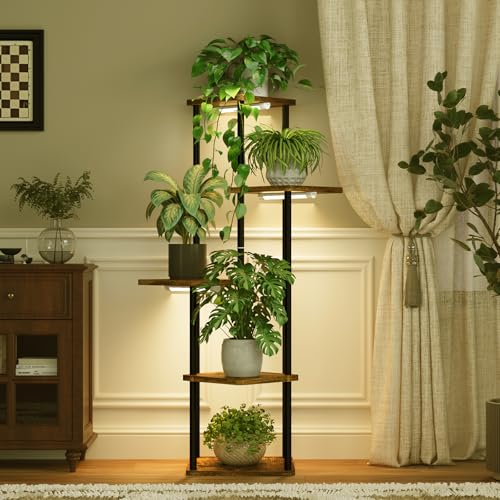
Full-spectrum Light for Indoor Plants: Three full-spectrum grow light bars provide supplemental lighting for plants displayed on the stand. Adjustable brightness and timer settings make daily lighting control simple and convenient.

NOTE: The product stand needs to be pressed down by the flower pot to be stable. Not wireless style. 2 Installation Methods: Specially designed plant light for indoor plants, which can be inserted in the soil or stand for lighting.Unique and easy to assemble and disassemble.

Flower Stand with Grow Light: The plant light contains 3 supplemental light modes: 1. 48 leds warm white(3000k), only 3000k high uniform light ,like sunlight improve seeding growth ; 2. Warm (660nm): promote plant growth , flowering and fruit; 3. Full Warm White (380nm-780nm), Provide universal full spectrum which can meet the light conditions your plants need most in different stages
Choosing the Right Lettuce Varieties
Choosing the right lettuce varieties simplifies your growing experience. Opt for fast-growing types like Leaf Lettuce or Butterhead, which offer tender leaves and flavor. Romaine is another excellent choice, known for its crunch and versatility. If space permits, mix varieties to create a vibrant salad garden indoors. When deciding, be aware that some lettuce types are more tolerant of varying conditions. For instance, Butterhead thrives in slightly warmer temperatures. Always check seed packets for specific growth requirements to ensure success.
Determining Your Space Requirements
Determining your space requirements is essential for a successful indoor garden. Assess available light and area. The best locations include sunny windowsills or under grow lights. If you’re using containers, consider their size and number. A standard 10-inch pot can accommodate one to two lettuce plants. For larger setups, such as shelves with multiple tiers, ensure every level receives adequate light. While smaller varieties work well in limited spaces, larger types need room to grow. Keep air circulation in mind, as good ventilation prevents disease and promotes healthy growth.
Essential Supplies for Indoor Lettuce Growing
Successful indoor lettuce growing hinges on having the right supplies. These essentials make the process easier and more productive.
Recommended Products

🌻Efficient LED Combination: This LED lamp has grow lights made up of 80 efficient growing LEDs ( 32 red lights, 12 blue lights,20 yellow lights and 16 white lights). It meets the conditions of plant growth without sunlight. 1--Full Spectrum(380nm-800nm): Suitable for all plants to root and sprout. 2--Red(660nm)+BLUE(460nm) Spectrum: for blooming and fruits. 3--Red+Blue+Full Spectrum: A mix of Red+Blue+Warm White is best to fuel the growth of your plants.

6000K White Light - equipped with 10 Red + 74 White LEDs, this growing Lamp is similar to the full-spectrum sunlight at noon,that is professionally designed for indoor garden plants.Moreover, its color rendering index is as high as 95, the light is soft and flicker-free, which is very suitable for reading lamp

Containers and Soil Options
Choose containers with drainage holes, ensuring excess water escapes. Pots should be deep enough for root growth, around 4 to 6 inches. Options include:
- Plastic Pots: Lightweight and available in various sizes. They retain moisture well.
- Clay Pots: Offer good aeration, but tend to dry out faster.
- Troughs or Planters: Great for multiple plants and suitable for limited space.
Select a lightweight potting mix designed for indoor plants. Look for blends that contain peat moss and vermiculite for better drainage and moisture retention. Avoid garden soil, as it may introduce pests or diseases.
Lighting and Temperature Considerations
Lettuce requires ample light and the right temperature to thrive. Aim for 12 to 16 hours of light daily, using either:
- LED Grow Lights: Energy-efficient and customizable for your space.
- Fluorescent Grow Lights: Ideal for providing the necessary spectrum for growth.
Keep indoor temperatures between 60°F and 65°F. If temperatures dip below or rise above this range, lettuce may bolt or grow slowly.
Use a thermometer to monitor conditions, and consider placing a fan nearby to improve air circulation. This helps prevent mold while keeping temperatures stable.
Planting and Caring for Your Lettuce
Growing lettuce indoors is simple when you follow a few key steps. Proper care ensures vibrant, fresh greens right from your home.
Sowing Seeds and Germination Tips
Select high-quality seeds suited for indoor gardening, such as Leaf Lettuce or Butterhead. Use seed trays or small pots filled with a lightweight, well-draining potting mix.
- Prepare Soil: Moisten the potting mix before sowing seeds. This encourages uniform germination.
- Sow Seeds: Plant seeds about ¼ inch deep and space them appropriately. Even distribution helps prevent overcrowding.
- Cover and Water: Lightly cover seeds with soil and mist with a spray bottle to avoid displacing them.
- Provide Warmth: Keep the tray in a warm location, maintaining temperatures between 65°F and 75°F for optimal germination.
- Monitor Light: Once seedlings appear, move them to a sunny spot or under grow lights for 12 to 16 hours daily.
Watering and Nutrition Guidelines
Maintaining the right moisture level and nutrition plays a critical role in lettuce growth.
- Check Soil Moisture: Water when the top inch of the soil feels dry. Overwatering can lead to root rot, so ensure proper drainage.
- Use Room Temperature Water: Cold water can shock your seedlings. Room temperature helps avoid this.
- Fertilize Regularly: Apply a balanced liquid fertilizer every two weeks. Follow the instructions on the package for the correct dilution.
- Watch for Yellowing Leaves: This often indicates a nutrient deficiency. Adjust feeding accordingly.
These simple steps create a thriving environment for your indoor lettuce garden. Maintain consistent care, and you’ll enjoy fresh, homegrown lettuce year-round.
Common Challenges and Solutions
Recommended Products
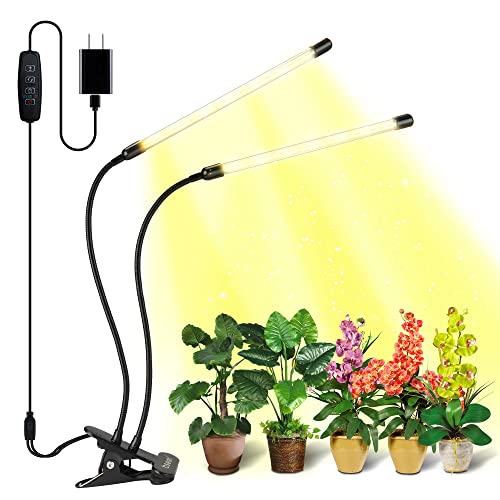
Full Spectrum LED with Yellow and White Combination: Bseah led grow light can promote photosynthesis, germination, growth, flowering and fruiting of plants.

FULL SPECTRUM & NATURAL LIGHT: A19 full spectrum grow light appears 4000K white to eyes but has a red/blue light spectrum. Same as natural sun shine, perfect for tomatoes, cucumbers, peppers, leafy greens and herbs at all growth stages.

【8.6'' Light Strip and 52 Full Spectrum LEDs】The Grow Light has 52 LEDs and each light bar has 26pcs 3500K LEDs. High quality LEDs help plants grow with high light efficiency, high PPFD, low heat and longer lifespan. Indoor plant light emits all wavelengths from 380nm to 800nm, simulating natural sunlight to more effectively promote the growth of indoor plants.
Light Deficiency
Challenge: Insufficient light affects growth rates and causes leggy plants.
Solution: Use LED or fluorescent grow lights for 12 to 16 hours daily. Position lights about 6 to 12 inches above the plants. Adjust as your lettuce grows.
Temperature Fluctuations
Challenge: Indoor temperatures that deviate from the optimal range (60°F to 65°F) can slow growth or cause bolting.
Solution: Place your lettuce away from drafts and heat sources. Use a thermometer to monitor conditions. If temperatures drop, consider a space heater to maintain warmth.
Overwatering
Challenge: Overwatering leads to root rot and mold.
Solution: Water only when the top inch of soil feels dry. Use containers with drainage holes to prevent excess water from accumulating.
Nutrient Deficiency
Challenge: Lettuce may show poor growth or yellowing leaves due to inadequate nutrients.
Solution: Fertilize with a balanced liquid fertilizer every two weeks. Ensure your potting mix contains organic material for added nutrients.
Pest Infestation
Challenge: Indoor pests, like aphids or fungus gnats, can disrupt growth.
Solution: Inspect plants regularly. Use neem oil or insecticidal soap and apply according to product instructions to treat infestations effectively.
Poor Air Circulation
Challenge: Stagnant air can cause disease.
Solution: Use a small fan to improve airflow. Position it near your growing area to help prevent mold and promote healthy growth.
Limited Space
Challenge: Lack of space for multiple plants can reduce your yield.
Solution: Grow lettuce using vertical planters or tiered shelving. These options maximize space while allowing access to adequate light.
By addressing these common challenges with practical solutions, you’ll create a thriving indoor lettuce garden and enjoy fresh greens all year round.
Conclusion
Starting your indoor lettuce garden can be a rewarding adventure. With a little planning and the right supplies you can enjoy fresh greens right from your home. Remember to keep an eye on light levels temperature and moisture to help your lettuce thrive.
Don’t be afraid to experiment with different varieties and growing techniques. Each step you take brings you closer to a successful harvest. So grab those seeds get your containers ready and let the indoor gardening fun begin. You’ll be amazed at how satisfying it is to enjoy homegrown lettuce in your meals. Happy growing!
Frequently Asked Questions
What are the best conditions for growing lettuce indoors?
To grow lettuce indoors successfully, maintain temperatures between 60°F and 65°F, ensure 12 to 16 hours of light daily using LED or fluorescent grow lights, and keep the soil consistently moist without overwatering.
What types of lettuce are best for indoor gardening?
Fast-growing lettuce varieties like Leaf Lettuce and Butterhead are ideal for indoor gardens. Romaine is also a great choice for its crunch and versatility, making them suitable for small spaces.
How often should I water my indoor lettuce plants?
Water your indoor lettuce when the top inch of soil feels dry. Ensure the soil is consistently moist but not soggy, and use room temperature water to prevent shocking the seedlings.
What fertilizer is recommended for indoor lettuce?
A balanced liquid fertilizer should be applied every two weeks to provide essential nutrients for healthy growth. Monitor for nutrient deficiencies as they can impact your lettuce’s health.
How can I prevent pests in my indoor lettuce garden?
Regularly inspect your plants for pests and use gentle insecticidal soap or neem oil if infestations occur. Maintaining proper air circulation and cleanliness can help prevent pest problems.
What containers work best for growing lettuce indoors?
Choose containers with drainage holes, such as plastic pots, clay pots, or troughs. Ensure they can accommodate the root system and provide adequate space for growth.
Can I grow lettuce without natural sunlight?
Yes, you can grow lettuce indoors using LED or fluorescent grow lights if natural sunlight is insufficient. Aim for 12 to 16 hours of light per day for optimal growth.
How do I harvest lettuce to extend its growth?
Harvest the outer leaves first, leaving the inner leaves intact. This technique encourages further growth and prolongs the life of your lettuce plants while still providing fresh greens.
What are common challenges in indoor lettuce gardening?
Common issues include light deficiency, temperature fluctuations, overwatering, and pest infestations. Address these challenges with appropriate lighting, temperature monitoring, proper watering techniques, and regular pest inspections.
