

Ever thought about growing your own lettuce but felt overwhelmed by the process? You’re not alone! Many people want fresh greens at home but don’t know where to start. The good news is that sprouting lettuce is simpler than you might think.
Key Takeaways
- Sprouting Benefits: Growing lettuce sprouts at home offers nutritional advantages, cost savings, fresher produce, and a reduced environmental impact.
- Ideal Varieties: Optimal types for sprouting include romaine, butterhead, and various leaf lettuces, each with unique flavors and growth characteristics.
- Simple Process: The sprouting process involves preparing the right containers, using quality seeds, maintaining appropriate light and moisture, and transplanting seedlings when ready.
- Conditions for Success: Lettuce sprouts thrive in cooler temperatures (60°F to 70°F) with adequate light (12-16 hours daily) and humidity (50%-70%).
- Common Troubleshooting: Address issues like fungal growth and poor germination by regulating moisture, improving airflow, using fresh seeds, and soaking seeds before planting.
- Harvest Freshness: Enjoy the taste difference of homegrown lettuce by following the sprouting steps carefully for a continuous supply of fresh greens.
Understanding Lettuce Sprouting
Sprouting lettuce is a rewarding process that provides fresh greens right from your home. Knowing the basics will help you enjoy healthier, homegrown produce.
Benefits of Sprouting Lettuce
Sprouting lettuce offers several advantages:
- Nutritional Value: Sprouts contain higher concentrations of vitamins and minerals compared to mature plants. Sprouts can include vitamins A, C, and K.
- Cost-Effective: Growing your own sprouts cuts grocery bills. You save on purchases while enjoying a steady supply.
- Freshness: Homegrown lettuce is fresher than store-bought options. You’ll taste the difference when you harvest it yourself.
- Environmental Impact: By growing lettuce at home, you reduce reliance on packaged produce. This practice lowers your carbon footprint.
Types of Lettuce Suitable for Sprouting
Choose the right types of lettuce for sprouting. Here are a few excellent choices:
- Romaine: Known for its crisp texture and sweet flavor, romaine lettuce sprouts well and develops quickly.
- Butterhead: This variety has a tender, buttery taste. It sprouts easily and provides a delicate flavor.
- Leaf Lettuce: Varieties like red leaf and green leaf offer vibrant colors and taste. They germinate rapidly and grow abundantly.
These options provide a starting point for creating a thriving lettuce garden. By understanding the benefits and types, you can confidently begin your sprouting journey.
The Sprouting Process
Sprouting lettuce at home involves a straightforward series of steps. Follow this guide to ensure successful growth.
Recommended Products

Healthy Food Source: Because of its tender flavor, lettuce is a popular vegetable for salad, sandwiches, wraps, soups, stir-fries and juice. There are over 20,000 seeds, 10 kinds of lettuce collection, including bibb, boston, iceberg, buttercrunch, grand rapids TBR, oakleaf, ruby leaf, cimmaron romaine and waldmann's

Complete Lettuce Garden Starter Kit Indoor – 5 heirloom salad and green seed packets, 8 biodegradable soil disks, 8 plant markers, and 8 starter pots. Romaine, Spinach, Arugula, Kale and Buttercrunch lettuce heirloom seeds are the star of the set!

Vegetable seeds variety pack: Grow 35 varieties of leafy greens, root vegetables, tomatoes, peppers, beans, peas, squash, melons, and more. Includes 16,000+ vegetable seeds for planting outdoors in raised beds, garden rows, or containers.
Required Materials
- Seeds: Choose high-quality romaine, butterhead, or leaf lettuce seeds.
- Containers: Use shallow trays, seed starting pots, or even recycled containers.
- Growing Medium: Select organic potting soil or seed starting mix for optimal growth.
- Watering Can: Employ a small watering can or spray bottle for gentle watering.
- Light Source: Place your seedlings near a sunny window or use grow lights for adequate light.
- Prepare Containers: Fill your chosen containers with soil. Leave about half an inch of space at the top.
- Sow Seeds: Evenly spread lettuce seeds over the surface of the soil. Aim for a scattering, not clumping.
- Cover Seeds: Lightly cover the seeds with a thin layer of soil, about 1/8 inch deep.
- Water Seeds: Moisten the soil using your watering can or spray bottle. Ensure it’s damp but not soggy.
- Provide Light: Place containers in a sunny spot or under grow lights. Maintain 12-14 hours of light daily.
- Monitor Moisture: Keep the soil consistently moist. Check daily and water lightly as needed.
- Thin Seedlings: Once seedlings appear, thin them out by removing weaker plants. This allows stronger ones to flourish.
- Transplant: When seedlings reach about 2-3 inches tall, transplant them into larger pots or your garden.
Follow these steps carefully, and soon you’ll enjoy fresh, home-sprouted lettuce.
Maintaining Optimal Conditions
Maintaining optimal conditions is essential for healthy lettuce sprouts. Focus on light, temperature, and humidity to ensure successful growth.
Recommended Products

🌻Efficient LED Combination: This LED lamp has grow lights made up of 80 efficient growing LEDs ( 32 red lights, 12 blue lights,20 yellow lights and 16 white lights). It meets the conditions of plant growth without sunlight. 1--Full Spectrum(380nm-800nm): Suitable for all plants to root and sprout. 2--Red(660nm)+BLUE(460nm) Spectrum: for blooming and fruits. 3--Red+Blue+Full Spectrum: A mix of Red+Blue+Warm White is best to fuel the growth of your plants.
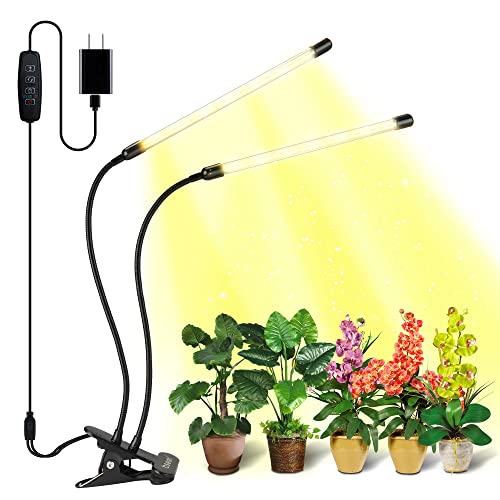
Full Spectrum LED with Yellow and White Combination: Bseah led grow light can promote photosynthesis, germination, growth, flowering and fruiting of plants.

FULL SPECTRUM & NATURAL LIGHT: A19 full spectrum grow light appears 4000K white to eyes but has a red/blue light spectrum. Same as natural sun shine, perfect for tomatoes, cucumbers, peppers, leafy greens and herbs at all growth stages.
Ideal Light Conditions
Lettuce sprouts thrive in bright, indirect light. Position your containers near a window, or use grow lights if sunlight isn’t sufficient. Aim for 12 to 16 hours of light daily. Monitor your sprouts closely; if they begin to stretch or lean, it indicates they’re not receiving enough light. Rotate the containers regularly for even light exposure. Remember to provide a rest period of about 8 to 12 hours of darkness to promote healthy growth.
Temperature and Humidity Requirements
Lettuce prefers cooler temperatures, ideally between 60°F and 70°F (15°C to 21°C). Avoid placing sprouts in hot, drafty areas. Fluctuating temperatures can stress the seedlings and slow their growth. Keep humidity levels around 50% to 70% to promote optimal sprouting. You can achieve this by misting the seedlings lightly or covering the containers with plastic until the sprouts emerge. Ventilation is key; ensure some airflow to reduce the risk of mold.
Troubleshooting Common Issues
Sprouting lettuce can occasionally come with challenges. Here are common issues and solutions to ensure a successful growing experience.
Recommended Products


STOPS THE PATCHES SPREADING - Brown patch, dollar spot, summer patch and rust start small and move fast in warm, damp weather. Treat at the first discolored ring, not once the lawn thins out.

Prevents & controls fungus + gentle on plants when used as directed
Fungal Growth
Fungal growth often appears as a white or gray mold. This typically occurs due to excess moisture and poor air circulation.
- Reduce Watering: Water your seedlings less frequently. Check the moisture level before adding more water.
- Improve Airflow: Ensure good ventilation around your lettuce sprouts. Position your container to avoid stagnant air.
- Use Fungicide: If mold persists, consider applying an organic fungicide. This can help eliminate the problem while protecting your sprouts.
Poor Germination Rates
Poor germination rates result from inadequate conditions or old seeds.
- Fresh Seeds: Always use seeds that are within a year of their harvest date. This increases germination success.
- Seed Soaking: Soak seeds for 4–6 hours before planting. This helps initiate the germination process.
- Consistent Environment: Maintain optimal temperature and humidity. Conditions should stay around 60°F to 70°F and humidity levels between 50% and 70%.
By addressing these common issues promptly, you can enjoy a thriving sprouting experience.
Conclusion
Sprouting lettuce at home is a rewarding and enjoyable experience. With just a little effort and the right conditions you can grow fresh and nutritious sprouts that’ll elevate your meals. Remember to keep an eye on moisture levels and airflow to prevent common issues.
Soon enough you’ll be enjoying the crisp taste of your homegrown lettuce. So grab those seeds and get started on your sprouting journey. Happy growing!
Frequently Asked Questions
What types of lettuce are best for sprouting at home?
Leafy varieties like romaine, butterhead, and loose-leaf lettuces are best for sprouting. They grow quickly and produce tender, flavorful sprouts.
How do I prepare containers for sprouting lettuce seeds?
Use shallow containers with drainage holes. Clean them thoroughly before use to prevent contamination, and consider using soil or a sprouting mat for optimal results.
What are the ideal conditions for growing lettuce sprouts?
Lettuce sprouts thrive in a cool, well-ventilated area with indirect sunlight. Maintain a temperature of 65-70°F and keep the soil moist but not overly wet.
How can I prevent fungal growth when sprouting lettuce?
To prevent fungal issues, avoid overwatering, improve airflow, and consider using a fungicide if necessary. Ensure your containers are clean and well-drained.
What can I do if my lettuce seeds won’t germinate?
If seeds aren’t germinating, ensure they are fresh and soak them before planting. Maintain consistent moisture and optimal environmental conditions to encourage growth.
How often should I water my lettuce sprouts?
Water your sprouts gently to keep the soil moist but not soggy. Typically, watering once a day is sufficient, but adjust based on environmental conditions.
