

Have you ever walked out to your garden, only to find your once vibrant tomato plant looking wilted and sad? It’s a common dilemma that many gardeners face. Picture this: you’ve put time and effort into nurturing your tomato plant, only to see it struggling before your eyes. But fret not, as there are simple yet effective ways to revive your wilted tomato plant and bring it back to life.
In this article, you’ll discover practical tips and tricks to save your precious tomato plant from wilting away. From proper watering techniques to identifying common causes of wilting, we’ve got you covered. By the end of this read, you’ll be equipped with the knowledge needed to rescue your tomato plant and help it thrive once again in your garden.
Key Takeaways
- Recognize signs of a wilted tomato plant by looking for drooping leaves, yellowing leaves, dry soil, and stunted growth.
- Common causes of wilting include underwatering, overwatering, being root-bound, and nutrient deficiencies.
- Revive a wilted tomato plant by adjusting watering techniques, sunlight exposure, and checking soil health.
- Implement preventative measures like establishing a watering schedule, mulching, proper fertilization, pruning, support structures, monitoring pests and diseases.
- Additional tips include establishing a consistent watering schedule, using organic mulch for benefits, balanced fertilization for healthy growth, pruning to focus energy on fruit production.
Recognizing Signs of a Wilted Tomato Plant
To rescue your tomato plant effectively, you need to be able to identify the signs of wilting and understand the causes behind it. Here’s how you can recognize symptoms of wilt and common reasons for your tomato plant looking droopy.
Identifying Symptoms of Wilt
When inspecting your tomato plant, look out for these telltale signs of wilt:
- Leaves Drooping: The leaves of a wilted tomato plant will appear limp and droopy rather than upright.
- Yellowing Leaves: Yellowing or browning leaves, especially at the edges, indicate potential water stress or nutrient deficiencies.
- Dry Soil: Check the soil moisture by inserting your finger into the soil near the base of the plant. If it feels dry, your plant may be dehydrated.
- Stunted Growth: A lack of growth or slow development compared to healthy plants could signal underlying issues causing wilting.
Common Causes of Wilting
Understanding why your tomato plant is wilting can help you address the problem effectively:
- Underwatering: Insufficient watering is a common cause of wilting in tomato plants, leading to dehydration and drooping leaves.
- Overwatering: Conversely, overwatering can drown the roots, depriving them of oxygen and causing wilting despite excess moisture.
- Root Bound: When roots outgrow their container or planting area, they struggle to absorb nutrients and water efficiently, resulting in wilted foliage.
- Nutrient Deficiency: Lack of essential nutrients like nitrogen or potassium can manifest as wilting symptoms in tomato plants.
By recognizing these symptoms and causes early on, you’ll be better equipped to revive your wilted tomato plant successfully.
Essential Steps to Revive a Wilted Tomato Plant
If your tomato plant is showing signs of wilting, don’t worry; there are steps you can take to revive it. Follow these essential guidelines to bring your plant back to life.
Recommended Products
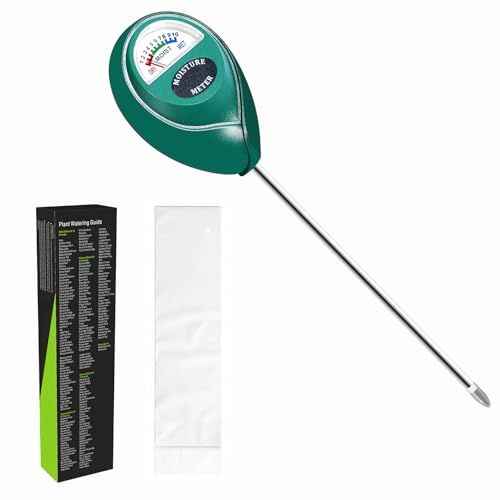
Trusted Since 2015: Become one of the many plant lovers who rely on the proven accuracy of XLUX. Established in 2015, our soil moisture meter has earned over 60,000+ verified ratings for its consistent performance. While many many newer brands come and go, we provide the long-term reliability and quality that American households have trusted for over a decade.

Accurate Soil Moisture Detection: The XLUX Soil Moisture Meter can tell you if the soil deep inside your pot or garden is dry, moist or wet; whereas your eyes and fingers can only determine the moisture level of the soil surface. The probe is 5.5 inches (14 cm) longer than regular styles, allowing it to measure the soil moisture at the bottom of larger and deeper flower pots.

【SAVE YOUR PLANTS】: Over watering can cause problems with your plants or even kill them. This soil moisture meter helps you know the soil is dry, moist or wet.No more over watering!
Proper Watering Techniques
Watering is crucial for the health of your tomato plant. Ensure you water consistently but avoid overwatering as it can lead to root rot and wilting. Check the soil moisture by inserting your finger into the soil; if it feels dry about an inch deep, it’s time to water. Aim to keep the soil consistently moist but not waterlogged.
Adjusting Sunlight Exposure
Tomato plants require adequate sunlight for photosynthesis and growth. If your plant is wilting, assess its sunlight exposure. Ensure it receives at least 6-8 hours of sunlight daily. If the plant is getting too much direct sun, consider providing some shade during the hottest part of the day. Conversely, if it’s not getting enough light, consider moving it to a sunnier spot.
Checking Soil Health
The quality of the soil directly impacts the health of your tomato plant. Make sure the soil has good drainage to prevent waterlogging, which can cause wilting. Consider adding organic matter like compost or mulch to improve soil structure and nutrient content. Regularly check for compacted soil, as this can restrict root growth and lead to wilting.
By following these essential steps and maintaining a watchful eye on your tomato plant’s condition, you can effectively revive a wilted plant and set it on a path towards recovery and vigorous growth.
Preventative Measures for Tomato Plants
To ensure the health and vitality of your tomato plants, implementing preventative measures is key. By following these guidelines, you can help safeguard your plants from wilting and maintain their well-being.
Recommended Products

3-IN-1 PLANT CARE: 3-In-1 Insect, Disease & Plant Mite Control provides insect control, disease control, and plant mite control all in one; Rainproof protection starts in 4 hours and lasts up to 14 days

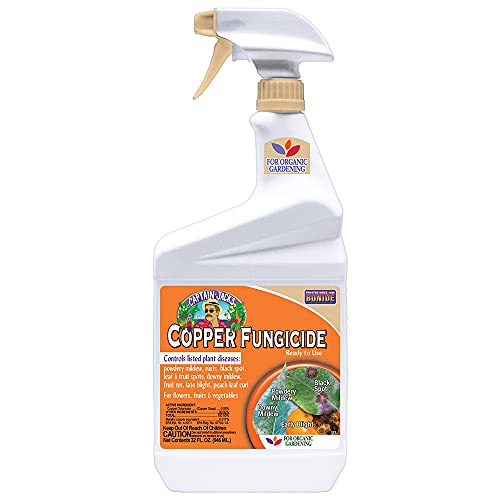
Control fungus and disease in your garden with Captain Jack’s ready-to-use Liquid Copper Fungicide!
Routine Care Practices
Consistent care is essential for the overall health of your tomato plants. Here are some routine practices to keep in mind:
- Watering Schedule: Establish a regular watering schedule to maintain proper soil moisture levels. Water deeply but infrequently to encourage deep root growth.
- Mulching: Apply mulch around the base of your tomato plants to retain soil moisture, regulate temperature, and prevent weed growth.
- Fertilization: Provide balanced fertilization to ensure your plants receive essential nutrients for healthy growth and development.
- Pruning: Regularly prune your tomato plants to remove diseased or damaged branches, promote air circulation, and enhance sunlight penetration.
- Support Structures: Use stakes or cages to support your tomato plants as they grow, preventing them from bending or breaking under their weight.
Monitoring for Pests and Diseases
Vigilance against pests and diseases is crucial in maintaining the vigor of your tomato plants:
- Inspect Regularly: Check your plants frequently for any signs of pest infestation or disease development.
- Early Intervention: Address any issues promptly by removing affected leaves or using organic pest control methods to prevent further spread.
- Companion Planting: Consider planting companion herbs like basil or marigold near your tomatoes to deter pests naturally.
- Crop Rotation: Rotate the location of your tomato plants yearly to reduce the risk of soil-borne diseases buildup.
By incorporating these preventative measures into your gardening routine, you can proactively protect your tomato plants from wilting issues and foster their robust growth throughout the season.
Additional Tips for Thriving Tomato Plants
Establishing a watering schedule is crucial for the health of your tomato plants. Consistency in watering helps maintain soil moisture levels and prevents both overwatering and underwatering issues. It’s best to water deeply but less frequently to encourage strong root development.
Mulching around your tomato plants can offer several benefits. Mulch helps retain soil moisture, regulates soil temperature, suppresses weed growth, and reduces the risk of soil-borne diseases. Organic mulches like straw or shredded leaves work well for tomatoes.
Fertilizing your tomato plants appropriately is key to ensuring they have the nutrients needed for healthy growth and fruit production. Use a balanced fertilizer with equal parts nitrogen, phosphorus, and potassium to promote overall plant health without overstimulating foliage growth at the expense of fruit development.
Pruning your tomato plants can improve air circulation, reduce disease risk, and focus energy on fruit production rather than excessive foliage. Remove suckers – small shoots that develop in leaf axils – to direct nutrients towards main stems and developing fruits.
Using support structures such as cages or stakes can help keep your tomato plants upright as they grow taller and heavier with fruit. Proper support prevents branches from breaking due to the weight of tomatoes and ensures good airflow around the plant canopy.
Regularly monitor your tomato plants for signs of pests and diseases. Early detection allows for prompt intervention before issues escalate. Common pests include aphids, hornworms, and whiteflies, while diseases like blight or wilt can quickly spread if not addressed promptly.
Implement companion planting by growing compatible species near your tomato plants to enhance their growth or deter pests naturally. For example, planting basil alongside tomatoes can improve flavor and repel certain insect pests effectively.
Consider rotating crops in your garden bed each season to prevent nutrient depletion in the soil specific to tomatoes while reducing pest buildup that targets these plants year after year.
Recommended Products

Reduce Hand Strain: These micro tip snips are built spring-loaded so that they automatically push themselves open without you having to do the work, which greatly reduces hand fatigue and makes these snips great for those with arthritis, carpal tunnel, hand or wrist issues; Comfortable “grip” handles will make it easy to work for long-time use without making you feel hand pain; Weight only 0.15 lb (1 pack)

Wider Jaw and Lightweight: This professional garden tape tool features a larger 50mm opening jaw. So It can also be widely used on thicker branches. Lighter than old model plant taping machines (Only 0.92lb). It works more efficenlty and can save 50% labor time.
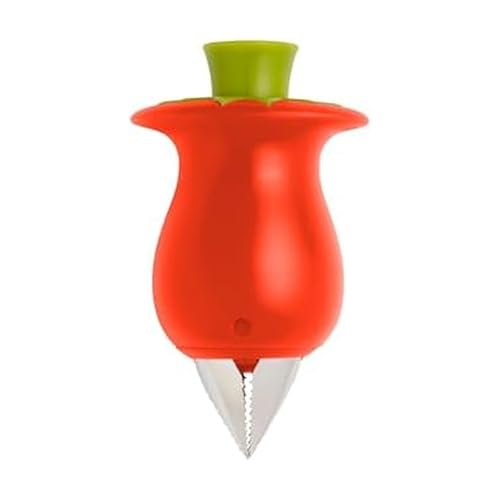
Designed to remove tomato hulls quickly and easily
Conclusion
You now have the tools to rescue your wilting tomato plants and set them on a path to vibrant health. By understanding the signs of wilting, adjusting your watering practices, and optimizing sunlight exposure and soil conditions, you can breathe new life into your garden. Remember to implement preventive measures like setting a watering schedule, mulching, fertilizing, pruning, providing support structures, and monitoring for pests. These steps will not only revive your plants but also ensure their long-term well-being. With these strategies in place, you’ll be able to enjoy a bountiful harvest of delicious tomatoes all season long. Happy gardening!
Frequently Asked Questions
Q: What are the signs of tomato plant wilting?
A: Signs of tomato plant wilting include drooping leaves, dry soil, and yellowing foliage.
Q: What causes tomato plants to wilt?
A: Tomato plants can wilt due to overwatering, underwatering, nutrient deficiencies, root rot, extreme temperatures, or diseases.
Q: How can I revive a wilted tomato plant?
A: To revive a wilted tomato plant, adjust watering practices by ensuring proper drainage and avoiding overwatering. Trim any damaged foliage and provide adequate sunlight for recovery.
Q: How do I prevent tomato plants from wilting?
A: Prevent tomato plants from wilting by maintaining a consistent watering schedule, mulching to retain moisture, providing sufficient sunlight exposure, and promoting good soil drainage.
Q: What are some tips for maintaining healthy tomato plants?
A: Tips for maintaining healthy tomato plants include regular fertilization, pruning for airflow and growth control, using support structures like stakes or cages, monitoring for pests and diseases regularly. Additionally implementing companion planting and crop rotation can help promote overall plant health.
