

Have you ever found tiny pests munching away on your beautiful lettuce? Those pesky aphids can ruin your hard work in the garden. You’re not alone—many gardeners face this frustrating challenge.
Key Takeaways
- Understand Aphids: Recognize that aphids are small pests that suck sap from plants, leading to stunted growth and reduced yields in lettuce.
- Prevention is Key: Implement proactive gardening techniques, such as choosing resistant varieties, maintaining healthy plants through proper watering and soil health, and regular inspections to catch infestations early.
- Natural Removal Methods: Utilize water sprays to dislodge aphids, and introduce beneficial insects like ladybugs to naturally reduce their population.
- Chemical Solutions: Consider insecticidal soaps and neem oil for effective chemical removal options, following safe application practices to protect your plants.
- Monitor Regularly: Conduct weekly inspections of your lettuce, especially checking undersides of leaves for any signs of aphids or honeydew residue to ensure early intervention against reinfestation.
Understanding Aphids
Aphids are tiny pests that often infest lettuce and many other garden plants. Recognizing their characteristics and understanding their effects is crucial for managing your garden effectively.
What Are Aphids?
Aphids are small, soft-bodied insects, usually measuring 1/16 to 1/8 inch long. They come in various colors, including green, black, yellow, and brown. These pests feed on plant sap, using their needle-like mouthparts to extract nutrients from the leaves and stems. You might notice clouds of them clustering on the undersides of leaves or at the tips of new growth.
Why They Are Harmful to Lettuce
Aphids pose several threats to lettuce plants. They weaken plants by sucking out vital sap, which can lead to stunted growth and reduced yields. Infestations can cause leaves to curl, yellow, or become distorted. Additionally, aphids leave behind a sticky residue called honeydew, which encourages the growth of sooty mold. This mold can block sunlight and limit photosynthesis, further harming your lettuce plants. Keeping a close eye on your lettuce can help you catch aphid infestations early before they cause extensive damage.
Prevention Techniques
Preventing aphid infestations starts with proactive gardening practices. By implementing specific techniques, you can create a healthier environment for your lettuce and reduce the likelihood of these pests.
Recommended Products

USDA Certified Organic by Oregon Tilth

"Mesclun" comes from the Provençal French word meaning "mixture" — this style of mixed salad greens originated in the Nice region of France and became a staple of fine restaurants worldwide before becoming a home garden favorite.

4 Popular Heirloom Lettuce Varieties: Includes Red Romaine, Bibb Butterhead, Black Seeded Simpson, and Green Ice lettuce seeds to grow crisp, tender, and colorful salad greens with balanced flavor, texture, and visual appeal.
Choosing Resistant Varieties
Opting for aphid-resistant lettuce varieties significantly decreases the risk of infestations. Look for cultivars specifically bred for pest resistance, such as ‘Butterhead’ or ‘Romaine.’ These varieties show better tolerance to aphids and can thrive under challenging conditions while maintaining yield.
Maintaining Healthy Plants
Healthy plants are less susceptible to pests. Follow these practices to promote plant health:
- Watering: Provide consistent moisture without over-watering. Aim for 1 inch of water per week to keep soil consistently damp.
- Soil Health: Use nutrient-rich compost to enhance soil quality. Healthy soil supports vigorous plant growth and resilience.
- Crop Rotation: Rotate lettuce with different plant families each season. This reduces the buildup of pests and diseases in the soil.
- Regular Inspection: Check your lettuce weekly for signs of aphids or other pests. Early detection enables timely intervention, preventing infestations from becoming severe.
Implementing these prevention techniques ensures your lettuce remains healthy and minimizes the chance of aphid infestations.
Natural Removal Methods
Aphids can be eliminated from your lettuce using several natural methods. These approaches help protect your plants without relying on harsh chemicals.
Recommended Products

No Pre Mixing Required - Pour Chemical, Soap or Fertilizer into Bottle and Set Dilution Mix Adjustment Dial with 8 Options
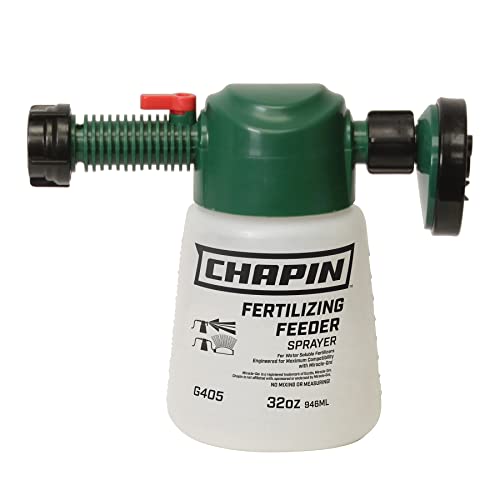
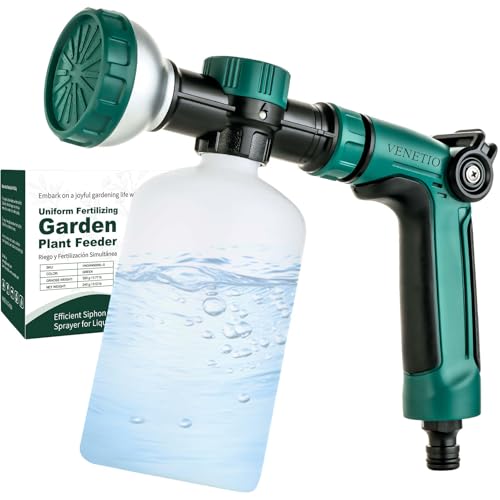
✅ Uniform Nutrient Delivery: Our siphon-style hose fertilizer sprayer easily attaches to any outdoor hose, providing precise, continuous, and consistent feeding for your plants in containers or gardens. Ideal for flowers, vegetables, trees, and shrubs.
Using Water Spray
Use a strong stream of water to dislodge aphids from your lettuce plants. Aim to spray underneath the leaves where aphids often hide. This method not only removes visible aphids but also disrupts their feeding. Repeat the process every few days until you notice a significant reduction in their numbers. Ensure to perform this treatment during cooler parts of the day to prevent leaf damage.
Introducing Beneficial Insects
Introduce beneficial insects like ladybugs or lacewings to your garden. These insects prey on aphids and can significantly reduce their population. Purchase live ladybugs or lacewing larvae from a garden supply store and release them near infected plants. Provide a hospitable environment by maintaining diverse plant life, ensuring these beneficial insects have access to food and shelter. Monitoring their activity helps confirm their effectiveness against aphids.
Chemical Removal Options
For controlling aphids on lettuce, chemical removal options can provide effective solutions. Two common methods include insecticidal soaps and neem oil applications.
Recommended Products
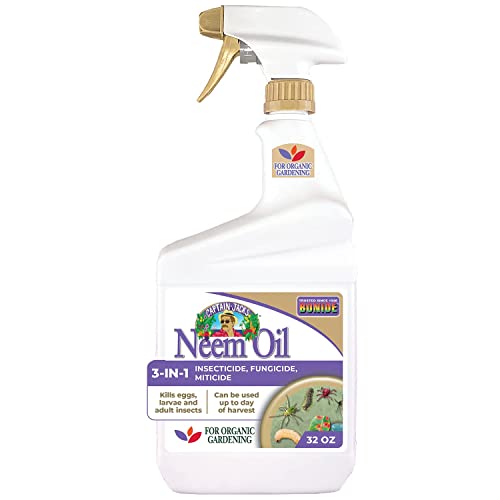
Protect your oasis with 3 garden products in 1 from Captain Jack’s; Bonide Captain Jack’s Ready-to-Use Neem Oil spray for plants is a multi-purpose fungicide, insecticide and miticide for your lawn & garden

FUNGAL DISEASE CONTROL: Prevents and controls black spot on roses, powdery mildew, rust, downy mildew, and other listed fungal diseases when applied on a 7–14 day schedule
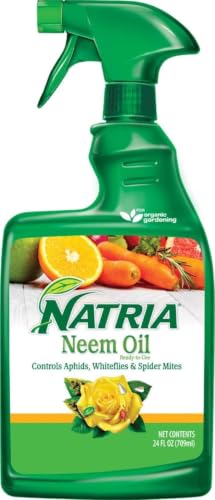
PLANT DISEASE CONTROL: Natria Neem Oil acts as an insecticide and fungicide in one convenient spray; Ready-to-use trigger sprayer requires no mixing
Insecticidal Soaps
Insecticidal soaps work by suffocating aphids upon contact. These soaps contain natural plant oils and fats, making them safe for use on edible crops. To apply insecticidal soap, follow these steps:
- Choose a Product: Select a commercially available insecticidal soap or create your own by mixing one to two tablespoons of pure liquid soap with one gallon of water.
- Test a Small Area: Spray a small section of your lettuce plant first to ensure it won’t cause any damage.
- Apply in the Evening: Spray the soap solution on affected leaves, especially the undersides where aphids hide, during the evening to prevent leaf burn in sunlight.
- Repeat as Needed: Reapply every 7-10 days until aphid populations decline.
Insecticidal soaps break down quickly and leave no harmful residues, making them a safe choice for your garden.
Neem Oil Applications
Neem oil, derived from the seeds of the neem tree, acts as a natural insecticide effective against aphids. It disrupts their feeding and reproduction. Here’s how to use neem oil:
- Purchase Neem Oil: Look for a diluted version specifically labeled for pest control at garden centers or online.
- Dilute the Oil: Mix two tablespoons of neem oil with one gallon of water. Add a few drops of mild dish soap to help the oil mix with water.
- Spot Test: Apply the mixture to a small area of the lettuce first to check for any negative reactions.
- Evening Application: Spray the solution on all affected areas of the plant in the evening to avoid leaf damage.
- Repeat Every Week: Reapply once a week until the aphid numbers decrease.
Neem oil not only helps control aphids but also has additional benefits, such as deterring other pests and promoting overall plant health.
By using insecticidal soaps or neem oil, you can effectively manage aphid infestations on your lettuce.
Monitoring and Maintenance
Monitoring your lettuce plants consistently ensures early detection and management of aphids. Regular assessments not only help maintain plant health but also reduce the risk of infestations spreading.
Regular Plant Inspections
Conduct inspections at least once a week. Focus on the undersides of leaves, where aphids commonly gather. Look for any clusters of small insects and their distinctive honeydew residue. Use a magnifying glass if necessary, as aphids can be tiny.
Examine other plants nearby. Aphids can quickly migrate from one plant to another. If you spot any in your lettuce, check surrounding crops immediately. Remove infected leaves to reduce aphid numbers.
Signs of Aphid Reinfestation
Stay vigilant for signs of reinfestation after treatment. New aphids may appear within a few days, especially if conditions are favorable. Watch for leaf curling, yellowing, or any sticky residue that indicates their presence.
Check for aphids casually during watering. This routine task gives you a chance to spot these pests without additional time commitments. If aphids return, consider reinforcing your preventive measures or adjusting your removal methods.
By staying alert and proactive, you can protect your lettuce from aphid damage more effectively.
Conclusion
Dealing with aphids can be a real challenge but with the right approach you can keep your lettuce thriving. By choosing resistant varieties and maintaining healthy plants you’ll create a strong defense against these pesky pests. Regular inspections and monitoring are key to catching infestations early.
Whether you opt for natural methods like water sprays and beneficial insects or choose to use insecticidal soaps and neem oil you’ve got effective tools at your disposal. Remember to stay vigilant and take action as soon as you spot any signs of aphids. With a little effort you can enjoy a bountiful harvest of healthy lettuce. Happy gardening!
Frequently Asked Questions
What are aphids and why are they a problem for lettuce?
Aphids are tiny, soft-bodied insects measuring 1/16 to 1/8 inch long. They feed on plant sap, weakening lettuce and leading to stunted growth. Infestations can cause leaves to curl, yellow, or become distorted. They also produce honeydew, which encourages sooty mold growth, further harming healthy plants.
How can I prevent aphid infestations in my garden?
To prevent aphids, choose resistant lettuce varieties like ‘Butterhead’ or ‘Romaine.’ Maintain plant health by watering consistently, enriching soil with compost, rotating crops, and inspecting plants regularly. These practices help keep lettuce healthy and reduce the risk of aphid infestations.
What natural methods can I use to remove aphids?
You can remove aphids naturally by using a strong stream of water to dislodge them from plants, especially the undersides of leaves. Repeating this every few days helps control the population. Introducing beneficial insects like ladybugs also aids in managing aphids by predation.
Which chemical options are effective against aphids on lettuce?
Insecticidal soaps and neem oil are effective against aphids. Insecticidal soaps suffocate aphids upon contact, while neem oil disrupts their feeding. Follow application guidelines such as testing an area first and reapplying every 7-10 days to maximize effectiveness.
How can I monitor my lettuce for aphid infestations?
Regular inspections of your lettuce, at least once a week, are crucial. Focus on the undersides of leaves and nearby plants. Look for signs like leaf curling, yellowing, or sticky residue. Early detection allows for better management and protection against aphids.
