

Have you ever stared at your flourishing garden and wondered when it’s the right time to harvest your romaine lettuce? If you’re eager to enjoy crisp, fresh salads straight from your backyard, knowing how to properly pull your lettuce is key.
Key Takeaways
- Understand Growing Conditions: Romaine lettuce thrives in well-drained soil with 6-8 hours of sunlight and consistent moisture, ideally between temperatures of 60°F to 70°F.
- Know When to Harvest: Harvest outer leaves when they reach 6-8 inches in length, and aim to pick around 60-70 days after planting for the best flavor and texture.
- Use Proper Techniques: Harvest in the early morning or late afternoon using a sharp knife, cutting just above the soil line to protect the roots and avoid damage.
- Check for Signs of Bolting: Monitor for flower stalks or elongated leaves, as these indicate that the lettuce is past its prime and may taste bitter.
- Post-Harvest Care is Essential: Clean your harvested romaine thoroughly and store it properly in a cool, humid environment in breathable containers to maintain freshness.
- Avoid Common Mistakes: Handle the lettuce gently to prevent bruising, use clean tools, and be mindful not to store it with ethylene-producing fruits to extend shelf life.
Understanding Romaine Lettuce Growth
Romaine lettuce thrives in specific conditions that impact its overall flavor and texture. Knowing these factors helps you cultivate healthy plants ready for harvest.
Optimal Growing Conditions
- Sunlight: Romaine lettuce requires 6 to 8 hours of direct sunlight daily. Ensure your plants get enough light for strong growth.
- Soil: Use well-draining soil enriched with organic matter. A pH of 6.0 to 7.0 promotes optimal growth.
- Water: Water regularly, aiming for about 1 to 1.5 inches per week. Consistent moisture keeps the leaves crisp.
- Temperature: Ideal growing temperatures range from 60°F to 70°F. Extreme heat can cause bolting, while frost can damage young plants.
- Spacing: Space plants 12 to 18 inches apart. This allows for adequate air circulation, reducing disease risk.
- Leaf Size: Harvest when the outer leaves reach about 6 to 8 inches in length. This size signifies maturity while still ensuring tenderness.
- Color: Look for vibrant green leaves. Dull or yellowing leaves indicate that your romaine is past its prime.
- Firmness: Gently squeeze the heads. They should feel firm and full, indicating readiness for harvesting.
- Growth Cycle: Typically, romaine lettuce is ready 70 to 85 days after planting. Use this timeline as a guideline.
- Bolting Precursors: Watch for flower stalks forming, indicating bolting. If this occurs, harvest promptly to salvage taste.
Preparing for Harvest
Harvesting romaine lettuce requires the right tools and timing. Preparation ensures a smooth experience and the best quality lettuce.
Recommended Products

High Germination Rate: Enjoy a plentiful harvest with our Romaine Lettuce seed pod featuring excellent germination. Fresh, reliable seeds sourced from USA ensure quick sprouting and healthy growth.

Complete Lettuce Garden Starter Kit Indoor – 5 heirloom salad and green seed packets, 8 biodegradable soil disks, 8 plant markers, and 8 starter pots. Romaine, Spinach, Arugula, Kale and Buttercrunch lettuce heirloom seeds are the star of the set!

K115 Crop Harvest Knife, 7.25-Inch Blade, is designed for trimming lettuce, greens, and soft-stemmed vegetables.
Tools You Will Need
- Sharp knife: A clean, sharp knife helps make precise cuts for minimal damage to surrounding leaves.
- Cutting board: A steady surface provides support when cutting.
- Garden gloves: Protective gloves keep your hands clean and shield them from potential irritants.
- Basket or container: Use a basket or container to collect the harvested lettuce and avoid bruising.
Timing Your Harvest
Select a time when the lettuce forms tight heads and has deep green leaves. Check the growth cycle; typically, this happens around 60-70 days after planting. Avoid harvesting during the heat of the day; early morning or late afternoon offers cooler temperatures and less stress on the plants. Look out for signs of bolting; once you see flower stalks, the taste might become bitter.
How to Pull Romaine Lettuce From Garden
Harvesting romaine lettuce properly ensures crisp, fresh leaves for your salads. Follow these steps to pull your romaine lettuce with care.
Recommended Products

Equipped with a stainless steel V-blade that cuts cabbage lettuce cucumbers and more into thin uniform shreds with minimal effort.

🌱 30 VARIETIES & 18,000+ SEEDS - & HEIRLOOM: Get started with a bounty of over 18,000 seeds from 30 Easy to Grow varieties. This set includes much-loved picks like Romaine Lettuce, Roma Tomato, Cucumber, Kale, Basil, and Jalapeño Pepper etc. Every seed is rigorously germination-tested to ensure your family gets a successful and fulfilling harvest.
Techniques for Harvesting
- Assess Readiness: Look for tight heads with deep green leaves. Aim for harvest around 60-70 days after planting.
- Choose Time Wisely: Pick early morning or late afternoon. Avoid scorching heat to maintain quality.
- Use the Right Tools: Grab a sharp knife or garden shears. Wear gloves to protect your hands.
- Cut the Lettuce: Hold the base of the head with one hand. Cut just above the soil line to avoid damaging the roots.
- Handle Carefully: Place your harvested lettuce gently in a container. Avoid crushing the leaves to keep them crisp.
- Harvesting Too Late: Picking past the ideal time can lead to bitterness. Regularly check for size and firmness.
- Ignoring Bolting Signs: Watch for flower stalks or elongated leaves. These indicate bolting, adversely affecting taste.
- Harsh Handling: Avoid squeezing or tossing the lettuce. Gentle handling maintains freshness.
- Skipping Cleanliness: Unclean tools can introduce bacteria. Always clean your tools before harvesting.
- Overcrowding During Storage: Don’t stack lettuce leaves tightly. This can lead to bruising and spoilage.
By following these techniques and avoiding common mistakes, you’ll enjoy bountiful, flavorful romaine lettuce straight from your garden.
Post-Harvest Care
Proper post-harvest care enhances the quality and longevity of your romaine lettuce. Focus on cleaning and storing the lettuce correctly for optimal freshness.
Recommended Products

Keep your produce fresh for longer: The PrepSolutions Lettuce Keeper keeps your produce fresh with an adjustable air vent and water reservoir, creating the ideal environment for fresh fruits and vegetables. Item measures 12.5" W x 7.25" D x 5.25" H and weighs 1.14 lbs.

𝐊𝐞𝐞𝐩𝐬 𝐕𝐞𝐠𝐞𝐭𝐚𝐛𝐥𝐞𝐬 𝐅𝐫𝐞𝐬𝐡 𝐋𝐨𝐧𝐠𝐞𝐫: The Home-X salad keeper for refrigerator is designed to preserve the freshness of lettuce, broccoli, cauliflower, and more. It creates an ideal cold, moist storage environment to help your vegetables stay crisp and fresh for longer periods.
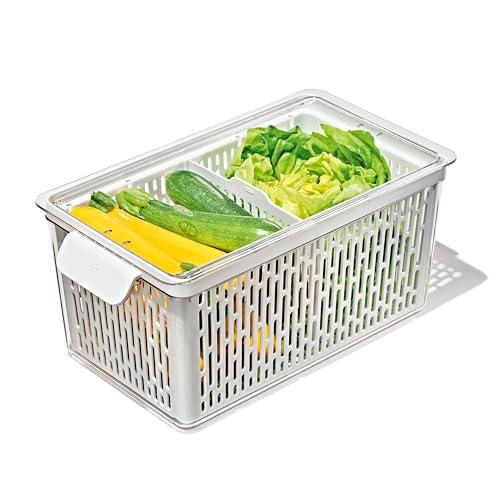
Help Keep Produce Fresh Longer: Fridge-friendly storage helps keep produce fresh longer with an inner basket keeps produce elevated and promotes optimal air circulation to keep things fresh
Cleaning Your Romaine Lettuce
Start by gently rinsing each head under cool running water. This removes soil and potential pests. Remove any damaged or outer leaves before drying the lettuce. Use a clean kitchen towel or a salad spinner to remove excess moisture. Drying prevents wilting and slime buildup. If you’re not using the lettuce right away, keep it intact with roots on to extend shelf life.
Storing Fresh Romaine Lettuce
Store your cleaned romaine lettuce in a breathable bag or container. Keep the temperature between 32°F and 40°F (0°C to 4°C). Ideal humidity levels prevent wilting, so consider wrapping the lettuce in a damp paper towel before placing it in the container. Avoid storing with fruits, as ethylene gas from fruits can cause premature spoilage. Use the lettuce within one week for the best flavor and texture.
Conclusion
Harvesting romaine lettuce can be a rewarding experience that enhances your meals. By following the right techniques and being mindful of timing you can enjoy crisp and fresh lettuce right from your garden.
Remember to handle your lettuce gently and keep it clean to maintain its quality. With a little care in harvesting and storage your romaine will be a delicious addition to your salads.
So get out there and enjoy the fruits of your labor. Happy gardening and bon appétit!
Frequently Asked Questions
When is the best time to harvest romaine lettuce?
Harvest romaine lettuce when the heads are firm and fully developed, typically 70-85 days after planting. Look for deep green leaves and ensure they’re at least 6-8 inches tall.
What tools do I need to harvest romaine lettuce?
To harvest romaine lettuce, use sharp gardening shears or a knife, and consider gloves for hand protection. A basket or container is also helpful for collecting the lettuce.
How do I know if my romaine lettuce is ready to be harvested?
Check for firm heads and vibrant color. If leaves are starting to bolt or turn bitter, it’s time to harvest immediately to ensure freshness.
What are common mistakes to avoid when harvesting romaine lettuce?
Avoid harvesting too late, which can cause bitterness. Don’t skip sanitation, and handle the lettuce gently to prevent bruising. Also, avoid overcrowding during storage.
How should I clean romaine lettuce after harvesting?
Rinse the harvested lettuce thoroughly under cold water to remove dirt. Remove any damaged or wilted leaves, then dry it gently using a salad spinner or clean cloth.
How should I store fresh romaine lettuce after harvest?
Store romaine lettuce in breathable containers in the fridge with high humidity. Keep it away from fruits and consume within a week for the best flavor and texture.
